 Recycling and reuse of polyurethane mattresses for recovering oils spilled in seawater
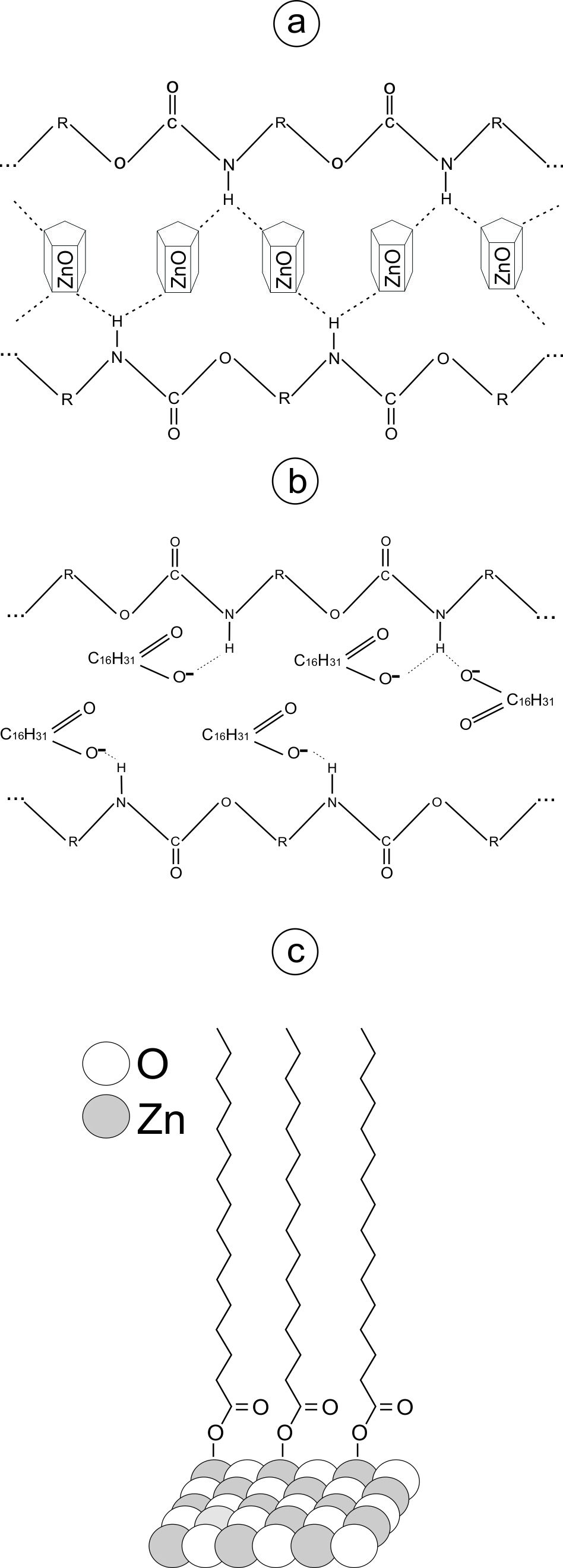
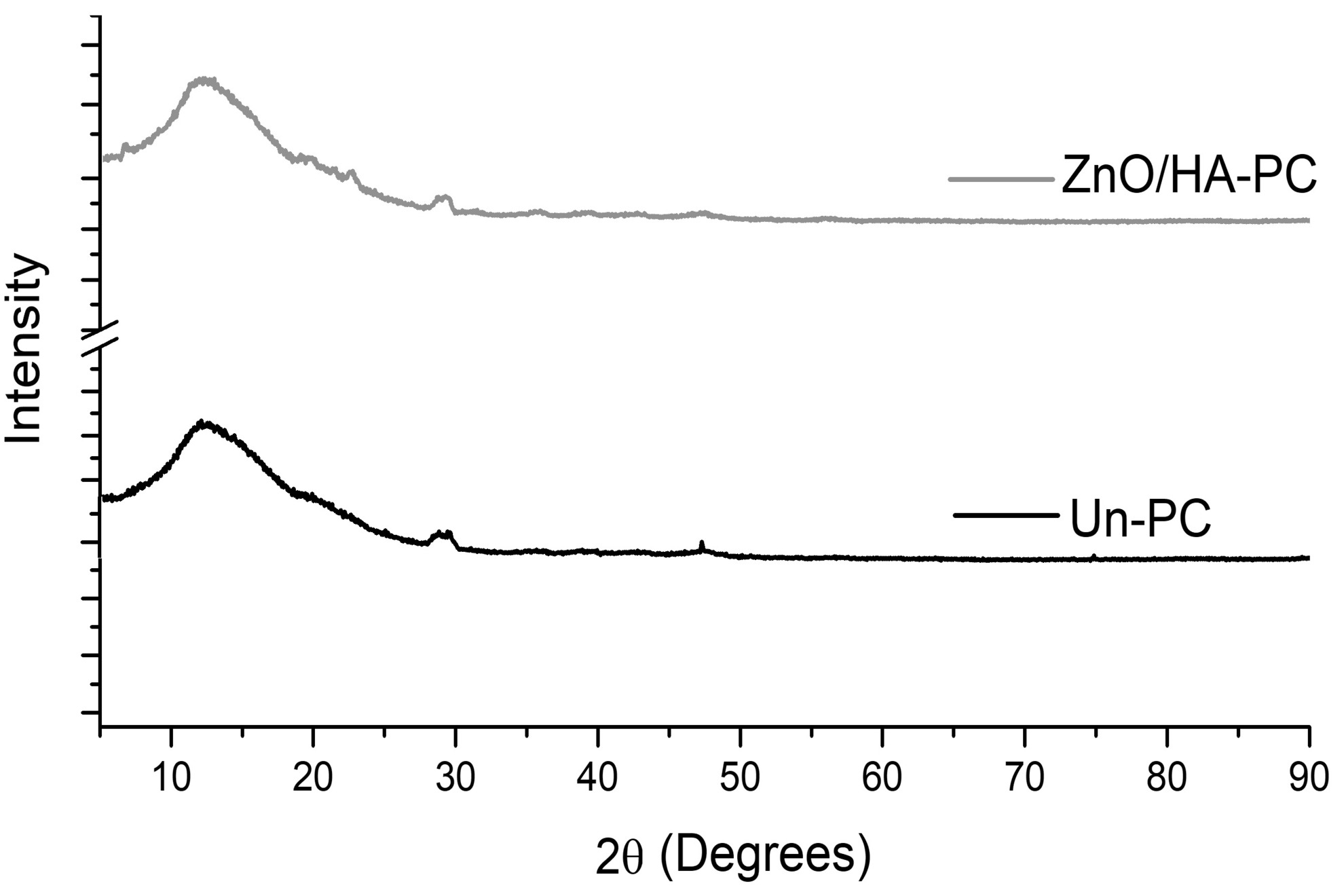
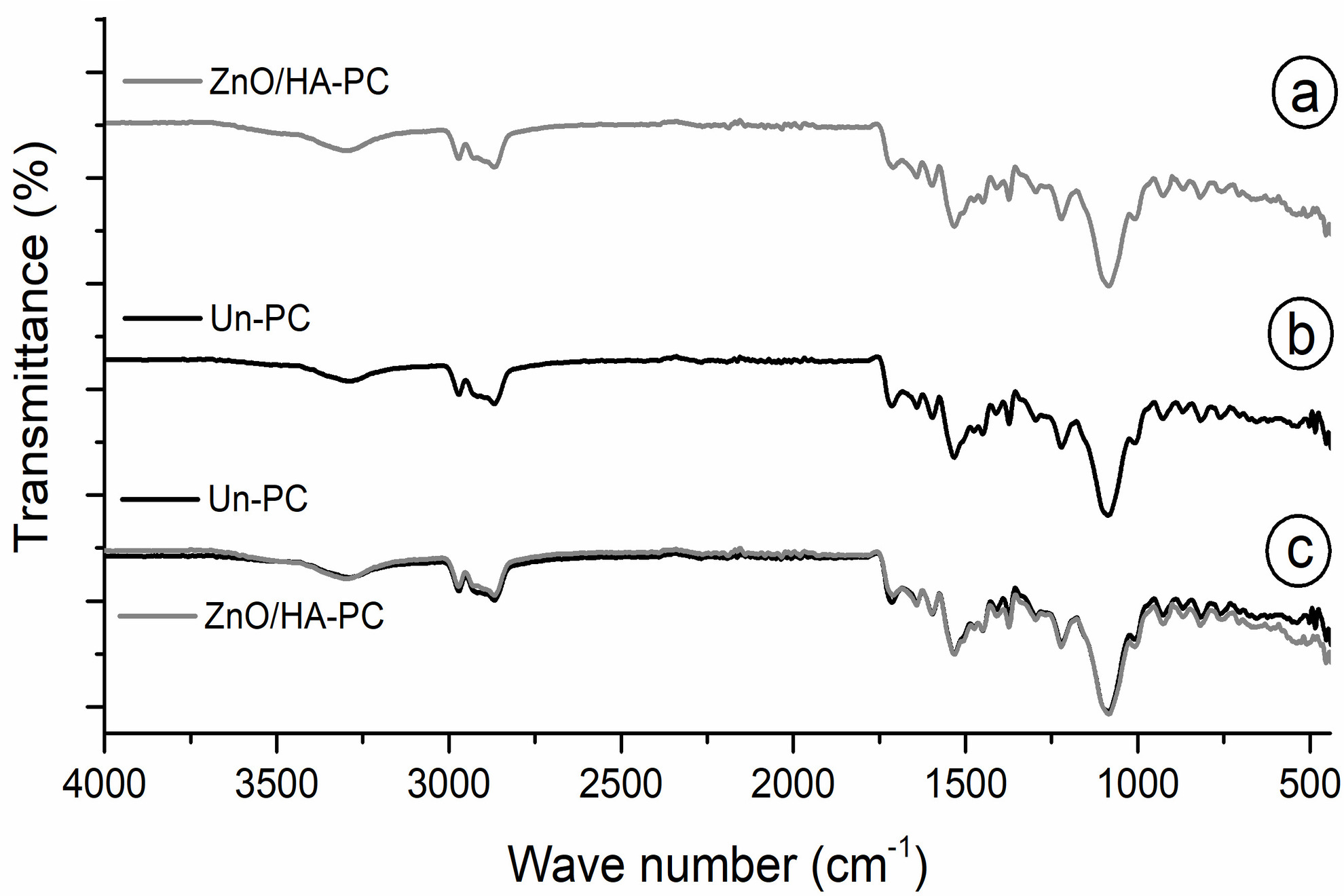
In this work, polyurethane foams from post-consumer mattresses were recycled through surface modifications and reused to recover oils spilled in seawater. The surface modifications included grafting zinc oxide followed by coating with hexadecanoic acid, which enhanced the foams’ hydrophobicity and oil affinity. Sorption tests simulating oil spills were conducted on three systems involving seawater and oil (diesel, S46 lubricating, or 20W40 engine). The modifications led to increased oil sorption capacity, achieving up to 950% in the seawater-20W40 engine oil system. Additionally, the modification reduced the seawater sorption by up to 72% in the seawater-diesel system. The findings indicated that viscosity significantly affects mass transport between the adsorbate and adsorbent. Verhuls’ kinetic model was the best fit for the sorption of diesel, S46 lubricating, and 20W40 engine oil (R² = 0.99). The pseudo-second-order model was also suitable for diesel and S46 lubricating oil (R² > 0.98). The desorption kinetics and reuse tests demonstrated that the foams effectively retained over 83% of absorbed oil after 30 minutes in suspension and maintained this capacity for over 50 cycles. This study highlights the successful application of one residue as an effective agent for the removal of another, demonstrating its potential for sustainable remediation strategies.
Key words
Oil spill; Reuse of polymers; Solid waste management; Surface modification
 Thumbnail
 Thumbnail
 Thumbnail
 Thumbnail
 Thumbnail
 Thumbnail
 Thumbnail