 A Comprehensive Analysis of the Nutritional Value, Antioxidant Potential and Fatty Acid Composition of Lucuma (Pouteria lucuma) Fruit, Grown in the High-Altitude Valleys of Bolivia
Abstract
The lucuma tree (Pouteria lucuma), native to South America, is gaining attention for its unique nutritional profile and potential health benefits. This study aimed to analyze the nutritional composition, antioxidant capacity, and fatty acid profile of lucuma fruit from a high-altitude valley in Bolivia. The proximate analysis revealed high levels of carbohydrates (41.7%), dietary fibre (2.4%), and protein (6.9%). Antioxidant assays identified significant amounts of polyphenols, flavonoids, and carotenoids, known for their antioxidant and anti-inflammatory properties. The fruit’s fatty acid profile showed a healthy omega-6:omega-3 ratio of 0.21. These results highlight lucuma’s potential as a functional food and support further research into its health benefits.
Key words
Andean fruit; South America; proximal analysis; fatty acid profile; TAC; TPH
INTRODUCTION
Lucuma fruit, scientifically knows as Pouteria lucuma (Ruiz Pav.) Kuntze, is a fruit native to the Andean valleys of Bolivia, Peru, Chile, and Ecuador. Belonging to the Sapotaceae family, it is also commonly known as lucuma, lucma, lúcumo, lucmo, mammon, rucma, cumala, and lujmillo (Yahia Guttierrez-Orozco 2011). In the pre-Hispanic diet, it was an important fruit and highly valued by the Incas, who considered it a symbol of fertility and longevity. It is also commonly referred to as the “Gold of the Incas” due to its distinct shape and bright yellow-orange flesh (Yahia Guttierrez-Orozco 2011, Valiente Montes Pazos Cribillero 2014).
The quality of the fruit varies dramatically with growing conditions. It produces fruit from the sea level up to 3000 m above, but the optimum conditions are around 500 m. In favourable conditions, the trees produce between 200 and 300 fruits, from the fourth or fifth year (Villanueva Mendoza 2002).
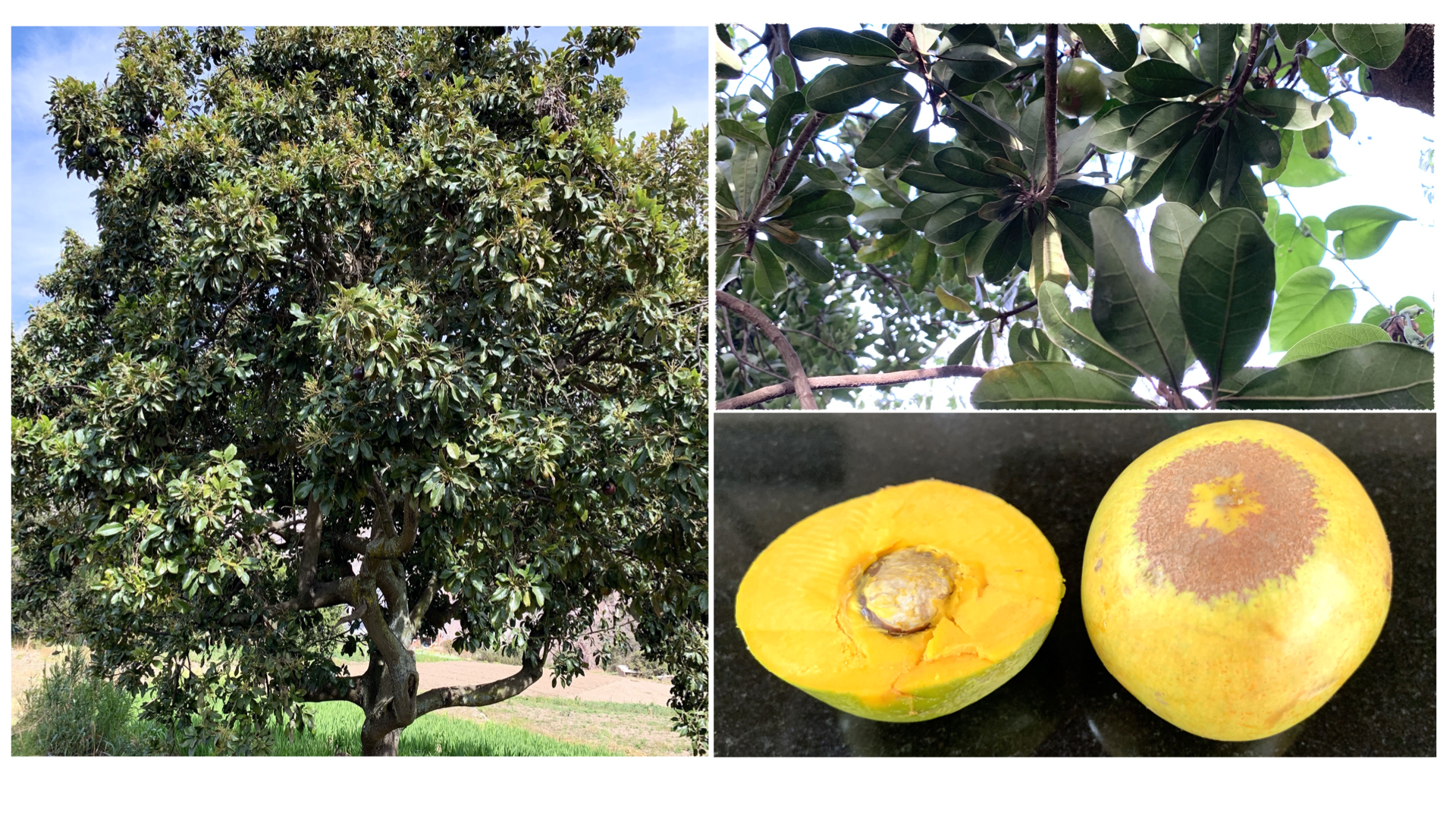
The lucuma fruit is round to oval-shaped, often with a rounded conical tip. When unripe, it is covered by a delicate, light green skin, which later turns brown. In case of the Bolivian biotype (María Belén), it reaches a length of around 10 cm, a diameter of 10 cm and a weight of around 400 g (Figure 1).

Maria Belén considers a biotype to be a population of organisms within a species that share distinct genetic, physiological or behavioral traits (Lowry 2012). These traits are often the result of adaptations to specific environmental conditions or geographical regions. Biotypes are naturally occurring variations within a species (Lowry 2012, Hancock 2004).
During ripening, the fruit is saturated with latex. When is it mature enough, the flesh is yellow-orange in color, slightly dry, starchy, creamy, sweet and aromatic, with unique flavor often described as a combination of caramel, sweet potato, and maple syrup (Valiente Montes Pazos Cribillero 2014). This distinct taste has made lucuma a popular ingredient in various desserts, ice creams, and beverages (Valiente Montes Pazos Cribillero 2014).
In addition to its delicious taste, lucuma is also known for its nutritional benefits. In terms of primary metabolites, it is a good source of protein (7 %) for the Bolivian biotype and three times higher than avocado (2 %) (Dreher Davenport 2013) as well as carbohydrates (87 %) composed by fibre, sugars and starch, ten times higher than avocado (9 %) (Dreher Davenport 2013). Vitamins, minerals and some organic acids are also present. These include ascorbic, malic, citric and succinic acids (Fuentealba et al. 2016).
Secondary metabolites, rich in antioxidants, polyphenols and flavonoids, are considerably affected by the ripening stage when the content of beta-carotene increases (Fuentealba et al. 2016). In addition, during ripening, starch hydrolysis occurs and hence the content of the mono and disaccharides increases (Eskin Hoehn 2013, Belitz et al. 2009).
Therefore, the aim of this study is the identification and quantification of the extent to which the physicochemical characteristics, macronutrient composition, compounds with bioactive properties such as antioxidants, polyphenols, flavonoids and carotenoids, and fatty acid composition of the Bolivian Lucuma biotype. However, macronutrients, phytonutrients and fatty acids are considered responsible for various health conditions and diseases. In this regard, it is crucial to evaluate the fatty acid profile and other components as macronutrients and antioxidants, is crucial, thus revaluing Andean foods and considering them a promising resource in dietary and nutritional research.
Abbreviations
TAC: Total antioxidant capacity, ABTS: 2,2’-azino-bis (3-ethylbenzothiazoline-6-sulphonic acid, has also given its name to a method for determining TAC, FRAP: Ferric Reducing Antioxidant Power assay for the determination of TAC, TPH: Total phenolic compounds, TF: Total Flavonoids, TE: Trolox Equivalent, a standard equivalent to express the antioxidant strength in µmol/g, Trolox: 6-hydroxy-2,5,7,8-tetramethylchroman-2-carboxylic acid, is a water-soluble analogue of vitamin E, an antioxidant, GAE: Gallic Acid Equivalent, a standard equivalent to express the phenol content in mg GAE/g, dw: dry weight, EEMs: excitation-emission fluorescence matrices, FAMEs: fatty acid methyl esters, NA: Not Attributed, ND: Not detected and TC: Total carotenoid content
MATERIALS AND METHODS
Reagents
ABTS [2,2’-Amino-bis (3-ethylbenzothiazoline-6-sulfonic acid, 98%)], chloroform (p.a.), ethanol, methanol (HPLC grade), hydrochloric acid, and toluene (p.a.) were purchased from Merck (Darmstadt, Germany). Sodium bicarbonate (p.a.), sodium chloride (p.a.), sulfuric acid (p.a.), sodium methoxide, and potassium persulfate (99%) were obtained from Sigma-Aldrich (St. Louis, USA). Folin-Ciocalteu reagent and ferric chloride were sourced from Biopack (Argentina). Acetic acid (glacial p.a.) and sodium acetate were procured from Sigma-Aldrich (India). Gallic acid was acquired from Sigma Life Science (China). Sodium carbonate was purchased from Biopack (Buenos Aires, Argentina). Aluminum chloride hexahydrochloride was obtained from Sigma-Aldrich (Germany), and sodium nitrite from Scharlab S.L. (Spain). Sodium hydroxide was sourced from Merck KGaA (Darmstadt, Germany).
For the determination of sugars, the disaccharide D (+) sucrose and the monosaccharides D (+) glucose (99.5%) and D (-) fructose (99%) were used, all of which were purchased from Sigma (USA).
Plant Materials
Samples were collected from two sites: Cebollullo (16°42’27’’ S; 67°50’27’’ W), near the town of Tahuapalca, at an altitude of 3539 m above sea level (m.a.s.l.), and Glorieta (16°42’30’’ S and 67°52’16’’ W), in Tahuapalca, at an altitude of 2,586 m.a.s.l., both located in the province of Murillo, La Paz, Bolivia.
A voucher has been deposited in the Herbario Nacional de Bolivia, and the sample has been identified as Pouteria lucuma (Ruiz Pav.) Kuntze.
Mature fruits were selected to compare their chemical composition. The accession had three replicates. The trees ranged in height from 4 to 6 meters. The main source of water for these trees is rain and snowmelt from Illimani, which flows down the Anuta River. The local producers, who do not use pesticides and rely only on natural fertilizers (i.e.), preserve the fruits with meticulous care they were washed and stored at -20°C. Each fruit was then analyzed separately, examining both the skin and the flesh, ensuring a thorough and reliable research process.
Physicochemical characteristics
The physicochemical parameters for mature lucuma fruits were assessed using the AOAC methods. A moisture analyzer (Radwag, MAC 110/WH, Poland) was used to determine the moisture content of all fresh samples in triplicate. pH measurements were done according to the method outlined in AOAC 943.02 (Peñarrieta et al. 2011), using a pH-measuring instrument (pH-mV-Temp 305-225, ISOLAB, Germany).
The color determination process was conducted with scientific rigor and standardization, utilizing the CIELAB color space. This standardized color model, endorsed by the International Commission for Illumination (CIE), is characterized by three parameters: L* (Lightness), a* (Green-Red axis), and b* (Blue to Yellow axis). These parameters represent color brightness, position along the green-to-red spectrum, and position along the blue-yellow spectrum. The measurements were performed on both peel and pulp samples, demonstrating the progression of color changes from immature to ripe lucuma fruit. This involved acquiring an average of six measurements using the chroma meter CR-400, manufactured by Konica Minolta (New Jersey, USA).
Chemical Composition
The total fat percentage was determined by the Soxhlet liquid-solid extraction method. The ash was determined using a muffle furnace (QUIMIS Q318M21 Diadema-SP, Brazil) in accordance with the AOAC method 923.03 (AOAC, 2019). The AOAC method 960.52A (AOAC 2019) was adapted to the characteristics of the equipment, namely the Compact digestion system (RAYPA MBCM-40, R. ESPINAR, S.L., Spain) and the Micro Kjeldahl (RAYPA Distillation unit DNP, R. ESPINAR, S.L., Spain). The total dietary fibre content was determined using a kit by Sigma-Aldrich, which employs a combination of enzymatic and gravimetric methods. In this study, the dried and fat-free sample was gelatinized using heat-stable α-amylase. Subsequently, enzymatic digestion was performed using protease and amyloglucosidase to eliminate protein and starch constituents from the sample. The soluble dietary fibre was precipitated using ethanol, and the resulting residue was subjected to filtration and subsequent washing with ethanol and acetone. After drying, the residue was weighed to obtain its mass, and the total carbohydrates were calculated by difference.
Sample Extraction
0.1 g of the lucuma edible part (peel and pulp) was extracted using a solvent mixture of 1 mL methanol to water (9:1, v/v). The sample was vortexed for 20 seconds, then sonicated in an ice-water bath at 0 °C for 15 minutes. Following sonication, the mixture was centrifuged at 20,000 x g for 30 minutes at 4 °C, utilizing a Centurion Scientific K241 Medium Primemachine equipped with a BRK5206 rotor (Centurion Scientific Ltd., Chichester, United Kingdom). Subsequently, the supernatant was meticulously aspirated and stored at -80°C. The supernatants were subsequently evaluated using the ABTS assay, FRAP, total flavonoids (TF) and Total phenolic compounds (TPH) (Tejeda et al. 2020). The extraction was performed in triplicate.
Measurement of Total antioxidant capacity and polyphenols
The ABTS method
The method proposed by Re et al. (1999) was adapted with certain modifications (Peñarrieta et al. 2011). In summary, the 2,2’-azino-bis (3-ethylbenzothiazoline-6-sulfonic acid) (ABTS) salt was dissolved in water to a concentration of 7 mM. The ABTS radical cation (ABTS•+) was produced by reacting the ABTS solution with 2.45 mM potassium persulfate, resulting in a final concentration. The reaction mixture was incubated at room temperature in the absence of light for 12 to 16 hours to facilitate the generation of free radicals. One hundred microliters of ABTS. Following a three-minute incubation period, the solution was vortexed, and the absorbance was measured at 734 nm using a Bio-Tek uQuant Universal Microplate Spectrophotometer (Vermont, USA). The total antioxidant capacity (TAC) was expressed in micromoles of Trolox equivalent (TE) per gram of dry weight (dw).
The FRAP method
Three reagents were prepared as a ferric reducing antioxidant power (FRAP) reagent: 300 mM acetate buffer at pH 3.6, 10 mM 2,4,6-tris (2-pyridyl)-s-triazine (TPTZ) in 40 mM HCl and 20 mM FeCl3. Subsequently, the FRAP reagent was prepared by combining the acetate buffer, TPTZ solution, and FeCl₃ solution in a 10:1:1 ratio by volume. A volume of 30 µL of the sample was combined with 90 µL of Millipore water and 900 µL of the FRAP reagent. Following 10 minutes, the solution was vortexed, and the absorbance was recorded at a wavelength of 593 nm. The total antioxidant capacity (TAC) was expressed in micromoles of Trolox equivalent (TE) per gram of dry weight (dw). (Peñarrieta et al. 2011)
Total Phenolic Compounds
Total phenolic compounds (TPH) were determined by a colorimetric reaction with Folin- Ciocalteu reagent from hydrophilic fractions, following the method described by Peñarrieta et al. (2011). A 50 µL aliquot of the sample was mixed with 2.5 mL of Folin-Ciocalteu reagent and incubated for 8 minutes. Subsequently, 2 mL of a 7.5% (w/v) Na2CO3 aqueous solution was added to the mixture. The reaction mixture was then allowed to stand in the dark at 45°C for 30 minutes. The solution was vortexed, and absorbance was measured at 760 nm. The TPC content was expressed in mg of gallic acid equivalents (GAE) per gram of dry weight (dw).
Total Flavonoids
The flavonoid (TF) content was determined using a method adapted from Peñarrieta et al. (2011). 100 µL was mixed with 400 µL of water, 30 µL of NaNO₂ and 30 µL of AlCl₃, and 200 µL of NaOH. After 5 minutes, the solution was mixed, and the absorbance was measured at 510 nm. TF was expressed as catechin equivalent per gram of dry weight.
Total carotenoid content
A solution of 0.5 g of the sample was prepared by mixing it with 5 mL of an ethanol-acetone mixture (1:1 v/v) containing 200 mg/L of BHT. This solution was then shaken in a vortex for 30 seconds and subsequently centrifuged at 12,000 rpm for 5 minutes at 4°C. This procedure was repeated until the color in the extraction solvent had disappeared. The supernatants were read at an absorbance of 450 nm, and the concentration of total carotenoids was calculated from a standard curve of β-carotene in a range of 5 to 50 µg/mL.
Extraction for spectroscopic analyses
100 mg of lucuma sample was mixed with 1 ml of methanol. The mixtures were sonicated at 0ºC for 30 min. They were then centrifuged at 12000 rpm for 2 min to decant the supernatant, which was stored at 4°C. After removing the supernatant, a second extraction was performed on the lucuma residue using n-hexane to further detect β-carotenoid like and other non-polar pigments. Extraction was performed in triplicate to obtain representative data.
UV-vis and fluorescence spectroscopic analysis
Lucuma extracts underwent spectroscopic analysis using methods described elsewhere (Ospina-Calvo et al. 2023), and analysed using a Perkin-Elmer Lambda 25 spectrophotometer and a Fluoromax4 (HORIBA, Jobin Yvon) spectrofluorometer to record the electronic UV-visible absorption spectra and the steady-state excitation-emission fluorescence matrices (EEMs), respectively (Rasse-Suriani et al. 2016, Villarruel et al. 2019).
When recording the EEMs, samples were analyzed in 1 cm x 1 cm path length quartz cells at room temperature. EEMs were generated by scanning emission spectra from 290 to 750 nm with consecutive and progressive excitation wavelengths ranging from 240 to 500 nm. The following settings were employed: excitation and emission resolution of 4 and 10 nm steps, entrance and exit slits of 4 and 5 nm bandpass, respectively, grating density of 1200 lines mm-1, integration time of 0.1 s. EEMs were corrected by the excitation lamp emission spectrum and the photomultiplier (detector) response or sensitivity.
Extraction and characterisation of simple sugars
A quantity of 0.1 g of the dried lucuma powder was added to a solution of 1.5 mL of ethanol (80% v/v). The mixture was subjected to sonication in an ultrasonic bath maintained at 60 °C for a period of 30 minutes, following which centrifugation was performed at 2500 rpm for a duration of 15 minutes. A second dosage of 1.5 mL of ethanol (80% v/v) was added to all supernatant samples, which were then mixed as part of the extraction process. Subsequently, the samples were subjected to centrifugation at 16,000×g for five minutes, utilizing a SL 40FR Thermo Scientific centrifuge (Germany) and 0.20 μm sterile filters for filtration purposes.
The concentrations of sucrose, glucose and fructose were determined using an Aminex HPX-87P column (Bio-Rad Laboratories, Hercules, CA, USA) with water as the eluent at a flow rate of 0.6 mL/min at 80°C using high-performance liquid chromatography (HPLC). The HPLC system utilized was a Shimadzu Corp., Prominence (Kyoto, Japan), comprising a system controller CBM-20A, a solvent delivery unit LC-30AD, a refractive index detector RID-20A, a column oven CTO-10 ASVP, an online degassing unit DGU-20A and an autosampler SIL-30AC.
20 µL of each standard solution were injected in duplicate for the construction of calibration curves, with the resulting data plotted as peak area versus concentration of each sugar. The linearity was evaluated through linear regression analysis and calculated using the least squares regression method. The limits of detection (LOD) and limits of quantification (LOQ) were calculated in accordance with the methodology proposed by (Carrasco et al. 2011).
Fatty acid analysis
The total lipids of the samples were extracted and converted to fatty acid methyl esters (FAMEs) using a modified one-step derivatization method, as described by (Sakdullah Makoto 2008) and (De Troch et al. 2012). The samples were weighed (0.21 g ± 0.01 g) and prepared with toluene and a sodium hydroxide-methanol solution (0.5 M). The solution was then placed in a heater set to 60°C and left for 60 minutes. Subsequently, a solution of 2% sulfuric acid (H2SO4) in methanol was added and placed in a heating block at 80°C for 120 minutes. The samples were cooled down under tap water and a saturated solution of NaHCO3 was added. The FAMEs were extracted with hexane. The samples were then centrifuged at 2000 rpm for 5 minutes, and the upper layer was transferred to GC vials.
Statistical Analysis
The data was analyzed using Microsoft Excel 2016 (Microsoft, Redmond, WA, USA). The results were expressed as mean values of six replicates along with their standard deviations.
RESULTS AND DISCUSSION
Physicochemical parameters
The moisture content in ripe lucuma was 52 % (Table I). The moisture content of mature lucuma fell within the lower range reported by Yahia Guttierrez-Orozco (2011) and Alegre-Caballero Ticse-Aguilar (2017), for Peruvian mature lucuma samples (54 % to 62 %).

The pH of ripe lucuma was 5.2, which is in line with the expected trend based on the maturity index of fruits reported by Samaniego et al. (2020).
When lucuma is fully ripe, the exterior of a lucuma fruit is typically a pale yellow or orange color. The flesh inside is a vibrant golden yellow. However, as the color progression of lucuma goes from immature to mature, it shows a transition from green to yellow and finally to orange, as shown in Figure 2 and described in Table I. This color change is due to the biosynthesis of carotenoids, which give the yellow-orange pigmentation, and the breakdown of chlorophyll, which is responsible for the initial green color (Li Yuan 2013) (Figure 2).
The fat content of lucuma sample was 2 %. The protein concentration was 6.9 %, the dietary fibre content is 2.4 % and the total carbohydrate amounted to 87.2 % (Table II).
Chemical composition of the Bolivian lucuma biotype (María Belén). Values represent % of dry weight.
In terms of the fat content of the Bolivian sample, the María Belén biotype, was much higher than the Peruvian cultivar (0.5 %) (Yahia Guttierrez-Orozco 2011, Valiente Montes Pazos Cribillero 2014, Li Yuan 2013), and similar compared to the same Peruvian biotype (1.3 %) (Table II).
The chemical and nutritional properties of lucuma and avocado have been compared because they have a similar shape, one large parenchyma and creamy flesh. As a result, the fat content of the avocado (15.4 %) (Maza-De la Quintana Paucar-Menacho 2020), is eight times higher than that of the Bolivian lucuma cultivar.
In terms of protein concentration, the current sample appeared to be much higher than the Peruvian cultivar (2.3 %) (Yahia Guttierrez-Orozco 2011, Valiente Montes Pazos Cribillero 2014, Maza-De la Quintana Paucar-Menacho 2020), and similar to the same Peruvian biotype (6.1 %; Table II) (Alegre Caballero Ticse Aguilar 2017). However, if we compare the protein content of avocado (1.9 %) (Dreher Davenport 2013), the Bolivian lucuma fruit showed three times higher content.
Similar to the above-mentioned macronutrients, the Bolivian biotype boast a higher carbohydrate content than the Peruvian variety (33.2 %) (Yahia Guttierrez-Orozco 2011, Valiente Montes Pazos Cribillero 2014, Maza-De la Quintana Paucar-Menacho 2020) , and is comparable to the same Peruvian biotype (84.1 %) (Alegre Caballero Ticse Aguilar 2017) (Table II). Indeed, the carbohydrate amount of Bolivian lucuma (87.2 %) is almost ten times higher than that avocado (8.6%) (Dreher Davenport 2013).
The ash content of the Bolivian biotype is notably higher than the Peruvian lucuma (0.7%) (Yahia Guttierrez-Orozco 2011, Valiente Montes Pazos Cribillero 2014, Maza-De la Quintana Paucar-Menacho 2020) and is similar to the same Peruvian biotype (1.3 %) (Alegre Caballero Ticse Aguilar 2017) (Table II). Interestingly, the ash content of Bolivian lucuma is comparable to that of avocado (1.66 %) (Dreher Davenport 2013).
Total antioxidant capacity, polyphenol content, flavonoid content and total carotenoid content in Lucuma
The total antioxidant activity of the Bolivian lucuma biotype (María Belén) was determined using the ABTS method at the ripe stage (3.6 µmol TE/g dw). The antioxidant status assessed by FRAP was at the ripe stage (5.7 µmol TE/g dw) in the Bolivian lucuma biotype (Table III). The Bolivian lucuma biotype exhibited a total polyphenol concentration of 1.4 mg (GAE/g dw) at the ripe stage (Table III). Similarly, the total flavonoids 0.2 µmol (CE/g dw) concentration consider the prolonged flowering period and, thus, the different ages of the fruit on the tree. Nevertheless, the β-carotene content of Bolivian lucuma has been quantified by spectrophotometric method (1336 µg β-carotene/g dw). However, the concentration of this metabolite in Peruvian samples ranges from 2500 to 3000 (µg β-carotene/g dw), (García-Ríos et al. 2020).
Measurement of total antioxidant activity, polyphenols and flavonoids in Bolivian lucuma biotype (María Belén) at maturity.
Pigments profile in Lucuma extracts
Lucuma extracts were further analyzed by UV-vis absorption and fluorescence spectroscopy to explore the presence of the most relevant biological pigments qualitatively. For this porpoise, methanol (polar) and n-hexane (nonpolar) were used as extraction solvents (Figure 3a). Different sample dilutions were investigated to avoid any spectroscopic undesired phenomena, including inner filter affects. In all cases, the spectroscopic pattern observed was the same.

(a) Scheme of the extraction procedure followed for the spectroscopic analysis. (b) UV-visible absorption spectra of lucuma extracts with hexane (black line) and methanol (red line) (optical pathlength: 4 mm). Black, red and orange arrows indicate the absorption maxima of the three main chromophores discussed in the text (i.e., polyphenols, flavonoids and β-carotenoids, respectively). (c) and (d) EEM of lucuma methanolic and n-hexane extracts, respectively. Excitation (right) and emission (top) spectra of the three sets of fluorophores (A, B and C) observed in EEM are depicted for better comparison.
Typically, UV-visible absorption spectra of methanolic extracts show two main absorption broad bands centered at ~220 and ~250 nm in addition to a mild shoulder at ~350 nm (Figure 3b). The excitation-emission matrices (EEMs) recorded in the UV-visible region of the electromagnetic spectrum (Figure 3c) showed two main broad excitation-emission bands: (i) one fluorescent band with excitation and emission maxima centered at 280 nm and 320 nm, respectively (band A), and (ii) a second band showing two excitation maxima, at 320 nm and ~350 nm, and two corresponding emission maxima centered at 360 nm and 430 nm (band B). When comparing the latter spectroscopic pattern with those reported in the literature, emission band A can be assigned to polyphenol-like and indole-like (i.e., soluble proteins) compounds, whereas band B can be assigned to flavonoid-likes chromophores. In the latter case, the spectroscopic patterns observed showed large similarities with those reported for quercetin (Nargis et al. 2019) and kaempferol. This intriguing similarity prompts the need for more studies to confirm this hypothesis further, sparking the interest of the scientific community.
Interestingly, the fluorescence intensity of band A is slightly higher than the intensity shown by band B. Under the assumption of similar average fluorescence quantum yields for both set of fluorophores, the trend observed herein agrees with the larger relative concentration of polyphenols with respect to flavonoid-likes compounds listed in Table III.
On the other hand, when using a nonpolar solvent (n-hexane), UV-visible absorption (Figure 3b), and fluorescence excitation and emission (Figure 3d) spectra resemble the absorption spectra of β-carotenoids. Notably, the extract’s absorbance was intense, underlining the significant concentration of β-carotenoids in the lucuma sample, in agreement with data in Table III.
Interestingly, in both extracts, no other chromophores and/or fluorescent pigments were observed, including anthocyanins, chlorophylls, and phycoerythrin, among others.
Sugar content
The sugar content of the Bolivian biotype (María Belén) was analyzed at IIDEPROQ lab following the procedures of Lai et al. (2013) and the NREL-TP-510-42618 method.
It should be noted that starch is converted into sucrose, glucose and fructose during the post-harvest period (Eskin Hoehn 2013). This conversion is influenced by the physiological state of the fruit, as well as by temperature and storage time. Starch hydrolysis is one of the most important changes in fruit ripening. Therefore, the sugar content tends to increase during ripening, while the starch content decreases, reaching negligible levels at the end of ripening in most fruits (Eskin Hoehn 2013, Belitz et al. 2009). The starch is converted into monosaccharides and disaccharides, regarding the glucose content (188 mg/g dw) in Bolivian lucuma biotype (María Belén) was slightly higher than in Peruvian lucuma (171 mg/g dw) (Fuentealba et al. 2016, García-Ríos et al. 2020), but the fructose content in the Bolivian biotype was much higher (178 mg/g dw) than in the Peruvian lucuma (99 mg/g dw) (Fuentealba et al. 2016, García-Ríos et al. 2020). On the other hand, the sucrose content in the Bolivian biotype (15 mg/g dw) is lower than in the Peruvian cultivars (36 mg/g dw) (Fuentealba et al. 2016, García-Ríos et al. 2020), at advanced stages of lucuma fruit ripening (Table IV).
Based on its CO2 production pattern, lucuma is classified as a ripening fruit. As it ripens, the fruit undergoes several changes, including a shift in color from green to yellow, a decrease in firmness, and an increase in soluble solids. The ripening process of lucuma is marked by intense respiration and significant sugar accumulation (Yahia Guttierrez-Orozco 2011).
Fatty acid profile
This study identified nine fatty acids in the pulp of the Bolivian lucuma biotype (Table V). The main fatty acids identified were C18:3n-3 (32.84%) and C16:0 (28.60%). Notably, the polyunsaturated fatty acid C18:3n-3 (alpha-linolenic acid) was the most abundant. Other significant fatty acids included C12:0 (12.26%), C18:1n-9 (7.35%) and C18:2n-6 (6.88%) (Table V). When comparing the fatty acid composition of lucuma and similar fruits, it is easy to see that this fruit contains significant amounts of polyunsaturated fatty acids, mainly due to the high percentage of C18:3n-3 and C18:2n-6. These fatty acids belong to the omega-3 and omega-6 group, which are essential fatty acids for human health, playing a critical role in reducing inflammation, supporting cardiovascular health, and contributing to brain function and development (Kousparou et al. 2023). Additionally, considerable amount of C14:0 was also detected (4.38%), whereas the latter was not reported in avocado, apricot and peach (Ching 2007). These fruits have also been shown to contain significantly less C16:0 (Ching 2007) in contrast to the high amount found in lucuma. The higher saturation presents certain disadvantages of the fatty acid profile of lucuma, in terms of the human health. In an extensive review by Shramko et al. (2020) it was reported that the saturated fatty acids, especially these containing 12-16 carbon atoms had the highest effect of the levels of LDL in the blood, and hence had strong association with the risk of cardiovascular diseases.
Lucuma fruit, despite its higher saturation, may offers significant health benefits. It contains substantial composition of alpha-linolenic acid and linoleic acid, both of which are essential for human health and can only be obtained through the diet. These fatty acids, present in the edible part, serve as precursors for the synthesis of long-chain polyunsaturated fatty acids. In addition, C18:3n-3 has a beneficial role for preventing cardiovascular disease (Fleming Kris-Etherton 2014), that might compensate for the high proportion of the hypercholesterolemic fatty acids. This fatty acid is elongated to C22:5n-3 (EPA) and C22:6 n-3(DHA). According to Innes Calder (2020), higher circulating EPA corresponded with lower risk of cardiovascular diseases. In addition, DHA also modulated the risk of cardiovascular disease by increasing HDL, controlling heart rate, platelet aggregation and reducing inflammation.
The cis-vaccenic acid found in lucuma fruit, it is a monounsaturated n-7 fatty acid and can be found in various food sources, including fruits (Shi et al. 2019). Significant amounts of vaccenic acid were found in a mango pulp and also in Japanese persimmon pulp (Shibahara et al. 1986), avocado (Green Wang 2022). It is synthesized through elongation of palmitoleic acid or via enzymatic double-bond shifting between C18:1 (n-9) and (n-7) (Shibahara et al. 1986).
It is important to consider that the ratio of n-6 to n-3 polyunsaturated fatty acids, a health indicator, can vary in different fruits depending on the environmental conditions under which they are cultivated. It has been proposed that the optimal ratio between n-6 and n-3 fatty acids should be in the range 1:1- 5:1 (Gonzalez-Becerra et al. 2023). In our study, the ratio in edible part of lucuma was 0.21. It is crucial to note that n-6 and n-3 fatty acids have distinct biological functions (Watts 2016) and the exceeding the optimal n-6/n-3 ratio is associated with increased risk of cardiovascular disease, cancer, inflammatory and autoimmune diseases, as well as abnormal brain development (Simopoulos 2010). Thus, maintaining an appropriate ratio of n-6 to n-3 fatty acids is not only important but also a key factor in ensuring a healthy balance in the body.
CONCLUSIONS
The nutritional analysis of the lucuma fruit of the Maria Belén biotype conducted in this study demonstrated its considerable potential as constituent of a healthy human diet. For example, the protein content was higher than that of other fruits. Additionally, lucuma demonstrated a robust antioxidant capacity, likely due to its relatively high β-carotene content and other antioxidants. Its fatty acid profile was also favorable, with a high percentage of α-linolenic acid, which is associated with numerous health benefits. In light of these findings, lucuma is a promising candidate for incorporation into novel dietary formulations and a potential complement for the development of functional foods.
ACKNOWLEDGMENTS
To the Swedish International Development Agency (SIDA), The World Academy of Sciences (TWAS) and The TWAS Young Affiliates Network (TYAN) through their TITO and TEACH-4-SD programmes. The authors declare not to have any interest conflicts.
REFERENCES
- ALEGRE-CABALLERO MG TICSE-AGUILAR AM. 2017. Caracterización de macrocomponentes en pulpa congelada de tres biotipos de lúcuma [Bachelor’s thesis, Universidad San Ignacio de Loyola]. Lima. (Unpublished).
- AOAC-INTERNATIONAL OFFICIAL METHODS OF ANALYSIS OF AOAC INTERNATIONAL. 2019. Vols. I, II and III; 21 st.; Rockville, Maryland, USA.
- BELITZ H, GROSCH W SCHIEBERLE P. 2009. Food Chemistry, 4th ed., Springer.
- CARRASCO C, BAUDEL H, PEÑARRIETA JM, SOLANO C, TEJEDA L, ROSLANDER C, GALBE M LIDÉN G. 2011. Steam pretreatment and fermentation of the straw material “Paja Brava” using simultaneous saccharification and co-fermentation. J Biosci Bioeng 111(2): 167-174.
- CHING KC. 2007. Fatty Acids in Foods and their Health Implications. Food Science and Technology, Book, 3rd ed., ISBN-10 0849372615.
- DREHER ML DAVENPORT AJ. 2013. Hass avocado composition and potential health effects. Critical Reviews in Food Science and Nutrition 53(7): 738-750. doi: 10.1080/10408398.2011.556759.
- DE TROCH M, BOECKX P, CNUDDE C, VAN GANSBEKE D, VANREUSEL A, VINCX M CARAMUJO M. 2012. Bioconversion of fatty acids at the basis of marine food webs: insights from a compound-specific stable isotope analysis. Mar Ecol Prog Ser 465: 53-67.
- ESKIN N HOEHN E. 2013. Chapter 2 – Fruits and vegetables. In Biochemistry of Foods, 3rd ed., p. 49-126. Elsevier.
- FLEMING JA KRIS-ETHERTON PM. 2014. The evidence for α-linolenic acid and cardiovascular disease benefits: Comparisons with eicosapentaenoic acid and docosahexaenoic acid. Adv Nutr 5(6): 863S-76S.
- FUENTEALBA C, GÁLVEZ L, COBOS A, OLAETA JA, DEFILIPPI B, CHIRINOS R, CAMPOS D PEDRESCHI R. 2016. Characterization of main primary and secondary metabolites and in vitro antioxidant and antihyperglycemic properties in the mesocarp of three biotypes of Pouteria lucuma. Food Chemistry 190: 403-411.
-
GARCÍA-RÍOS D, AGUILAR-GALVEZ A, CHIRINOS R, PEDRESCHI R CAMPOS D. 2020. Relevant Physicochemical Properties and Metabolites with Functional Properties of Two Commercial Varieties of Peruvian Pouteria Lucuma. J Food Proc Preserv 44(6): e14479. https://doi.org/10.1111/jfpp.14479.
» https://doi.org/10.1111/jfpp.14479 -
GONZALEZ-BECERRA K, BARRON-CABRERA E, MUÑOZ-VALLE JF, TORRES-CASTILLO N, RIVERA-VALDES JJ, RODRIGUEZ-ECHEVARRIA R MARTINEZ-LOPEZ EA. 2023. Balanced Dietary Ratio of n-6:n-3 Polyunsaturated Fatty Acids Exerts an Effect on Total Fatty Acid Profile in RBCs and Inflammatory Markers in Subjects with Obesity. Healthcare 11: 2333. https://doi.org/10.3390/healthcare11162333.
» https://doi.org/10.3390/healthcare11162333 - GREEN HS WANG SC. 2022. Cis-vaccenic acid: New maker to detect seed oil adulteration in avocado oil. Food Chem Adv 1: 100107.
- HANCOCK JF. 2004. Plant evolution and the origin of crop species. Wallingford: CABI Publishing.
-
INNES JK CALDER PC. 2020. Marine omega-3 (N-3) fatty acids for cardiovascular health: an update for 2020. Int J Mol Sci 21(4): 1362. https://doi.org/10.3390/ijms21041362.
» https://doi.org/10.3390/ijms21041362 -
KOUSPAROU C, FYRILLA M, STEPHANOU A PATRIKIOS I. 2023. DHA/EPA (Omega-3) and LA/GLA (Omega-6) as Bioactive Molecules in Neurodegenerative Diseases. Int J Mol Sci 24(13): 10717. https://doi.org/10.3390/ijms241310717.
» https://doi.org/10.3390/ijms241310717 -
LAI YC, HUANG CL., CHAN, C. F., LIEN, C. Y., LIAO, W. C. 2013. Studies of sugar composition and starch morphology of baked sweet potatoes (Ipomoea batatas (L.) Lam). Journal of food science and technology, 50(6), 1193–1199. https://doi.org/10.1007/s13197-011-0453-6
» https://doi.org/10.1007/s13197-011-0453-6 -
LI L YUAN H. 2013. Chromoplast Biogenesis and Carotenoid Accumulation. Arch Biochem Biophys 539(2): 102-109. https://doi.org/10.1016/j.abb.2013.07.002.
» https://doi.org/10.1016/j.abb.2013.07.002 -
LOWRY DB. 2012. Ecotypes and the controversy over stages in the formation of new species. Biol J Linn Soc 106: 241-257. https://doi.org/10.1111/j.1095-8312.2012.01867.
» https://doi.org/10.1111/j.1095-8312.2012.01867 -
MAZA-DE LA QUINTANA R PAUCAR-MENACHO LM. 2020. Lúcuma (Pouteria lucuma): Composición, componentes bioactivos, actividad antioxidante, usos y propiedades beneficiosas para la salud. Scient Agropec 11(1): 135-142. https://dx.doi.org/10.17268/sci.agropecu.2020.01.15.
» https://doi.org/10.17268/sci.agropecu.2020.01.15 -
NARGIS M, IHSAN AB KOYAMA Y. 2019. Bolaamphiphilic properties and pH-dependent micellization of quercetin polyglycoside. RSC Adv 9(58): 33674-33677. https://doi.org/10.1039/c9ra05711k.
» https://doi.org/10.1039/c9ra05711k - OSPINA-CALVO B, DE GERÓNIMO E, VILLARRUEL FD, APARICIO VC, ASHWORTH L, ERRA-BALSELLS R CABRERIZO FM. 2024. Distribution of photoactive β-carboline alkaloids across Passiflora caerulea floral organs. Photochem Photobiol 100(1): 87-100. doi: 10.1111/php.13837.
- PEÑARRIETA JM, SALLUCA T, TEJEDA L, ALVARADO J BERGENSTÅHL B. 2011. Changes in phenolic antioxidants during chuño production (traditional Andean freeze and sun-dried potato). J Food Compos Anal 24(4-5): 580-587.
- RASSE-SURIANI FA, DENOFRIO MP, YAÑUK JG, GONZALEZ MM, WOLCAN E, SEIFERMANN M, ERRA-BALSELLS R CABRERIZO FM. 2016. Chemical and photochemical properties of chloroharmine derivatives in aqueous solutions. Phys Chem Chem Phys 18(2): 886-900. doi: 10.1039/c5cp05866j. PMID: 26648161.
- RE R, PELLEGRINI N, PROTEGGENTE A, PANNALA A, YANG M RICE-EVANS C. 1999. Antioxidant activity applying an improved ABTS radical cation decolorization assay. Free Radic Biol Med 26(9-10): 1231-1237. doi: 10.1016/s0891-5849(98)00315-3. PMID: 10381194.
-
SAKDULLAH A MAKOTO T. 2008. One-step method for quantitative and qualitative analysis of fatty acids in marine animal samples. J Exper Marine Biol Ecol 354(1): 1-8. https://doi.org/10.1016/j.jembe.2007.08.024.
» https://doi.org/10.1016/j.jembe.2007.08.024 -
SAMANIEGO I, BRITO B, VIERA W, CABRERA A, LLERENA W, KANNANGARA T, VILCACUNDO R, ANGÓS I CARRILLO W. 2020. Influence of the Maturity Stage on the Phytochemical Composition and the Antioxidant Activity of Four Andean Blackberry Cultivars (Rubus Glaucus Benth) from Ecuador. Plants (Basel) 9(8): 1027. https://doi.org/10.3390/plants9081027.
» https://doi.org/10.3390/plants9081027 -
SHRAMKO VS, POLONSKAYA YV, KASHTANOVA EV, STAKHNEVA EM RAGINO Y. I. 2020. The Short Overview on the Relevance of Fatty Acids for Human Cardiovascular Disorders. Biomolecules 10(8): 1127. https://doi.org/10.3390/biom10081127.
» https://doi.org/10.3390/biom10081127 -
SHI H, WANG L, LUO J, LIU J, LOOR JJ LIU H. 2019. Fatty Acid Elongase 7 (ELOVL7) Plays a Role in the Synthesis of Long-Chain Unsaturated Fatty Acids in Goat Mammary Epithelial Cells. Animals: an open access journal from MDPI 9(6): 389. https://doi.org/10.3390/ani9060389.
» https://doi.org/10.3390/ani9060389 - SHIBAHARA A, YAMAMOTO K, NAKAYAMA T KAJIMOTOG. 1986. cis-Vaccenic acid in mango pulp lipids. Lipids 21: 388-394.
- SIMOPOULOS AP. 2010. The omega-6/omega-3 fatty acid ratio: health implications. Oléagineux, Corps gras. Lipides 17(5): 267-275. doi:10.1051/ocl.2010.0325.
- TEJEDA L, MOLLINEDO P, ALIAGA-ROSSEL E PEÑARRIETA JM. 2020. Antioxidants and nutritional composition of 52 cultivars of native Andean potatoes. Potato Res 63(4): 579-588. doi: 10.1007/s11540-020-09458-w.
-
VALIENTE MONTES KE PAZOS CRIBILLERO YA. 2014. Estudio comparativo de la calidad de la harina de lucuma (Pouteria lúcuma) deshidratada mediante liofilización y aire caliente. Doctoral dissertation, Universidad Nacional Agraria La Molina. https://hdl.handle.net/20.500.14278/1957
» https://hdl.handle.net/20.500.14278/1957 - VILLANUEVA MENDOZA CM. 2002. Cultivo comercial de la lúcuma en Perú y el mercado internacional. Lima.
- VILLARRUEL F, DENOFRIO MP, RASSE-SURIANI FAO, GARCÍA EINSCHLAG FS, SCHMIDT DE LEÓN T, ERRA-BALSELLS R CABRERIZO FM. 2019. Light-induced full aromatization and hydroxylation of 7-methoxy-1-methyl-3,4-dihydro-2H-pyrido[3,4-b]indole alkaloid: Oxygen partial pressure as a key modulator of the photoproducts distribution. J Photochem Photobiol B 199: 111600. doi: 10.1016/j.jphotobiol.2019.111600.
-
WATTS J. 2016. Using Caenorhabditis elegans to Uncover Conserved Functions of Omega-3 and Omega-6 Fatty Acids. J Clinic Med 5(2): 19. https://doi.org/10.3390/jcm5020019.
» https://doi.org/10.3390/jcm5020019 - YAHIA E GUTTIERREZ-OROZCO F. 2011. Lucuma (Pouteria lucuma (Ruiz and Pav.) Kuntze). Woodhead Publishing Limited, Autonomous University of Queretaro, Mexico, p. 443-450.