 Physical Properties of Cassava Starch Bioplastic Fortified with Gelatin from Indonesian Native Chicken Eggshell Membrane
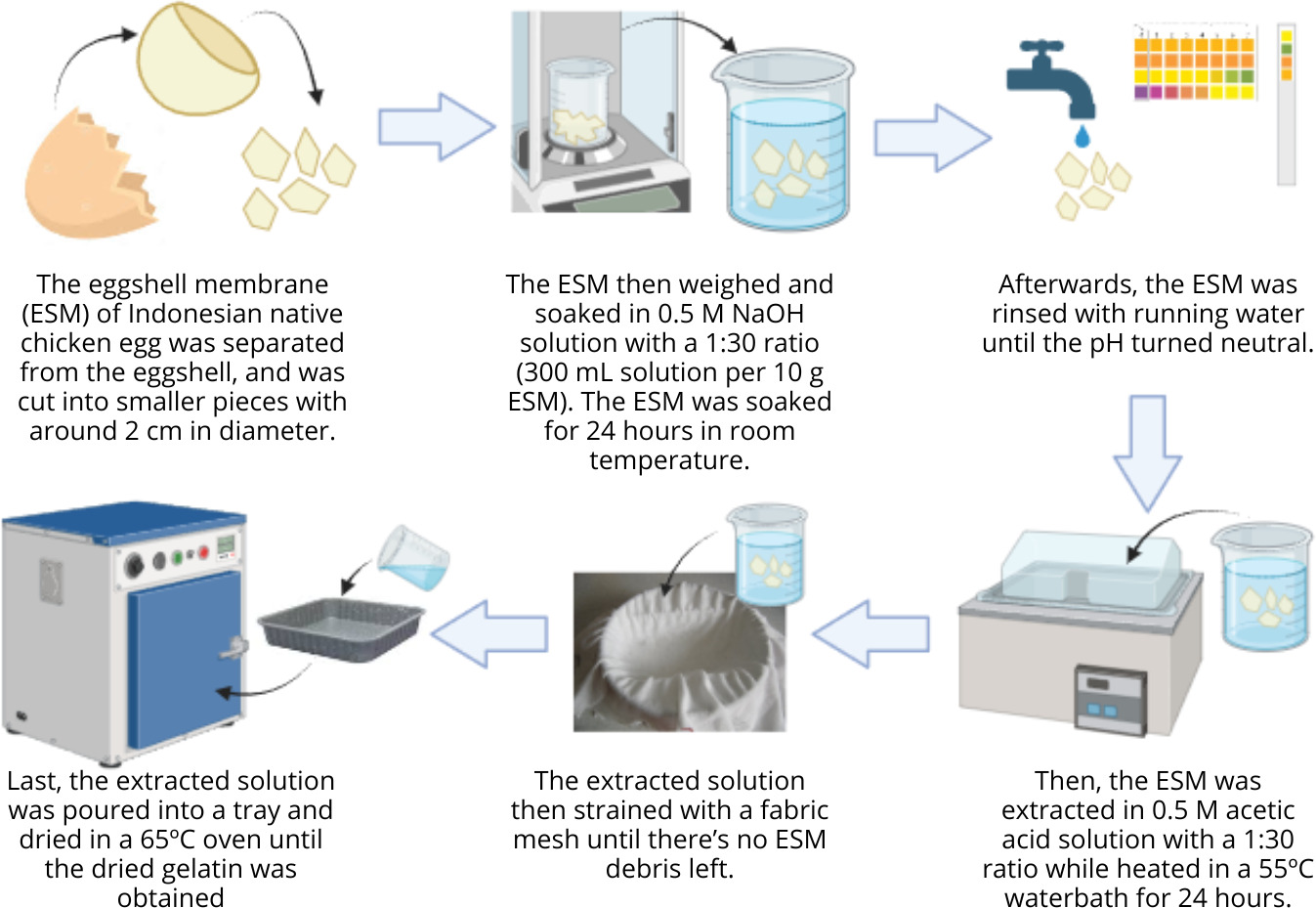
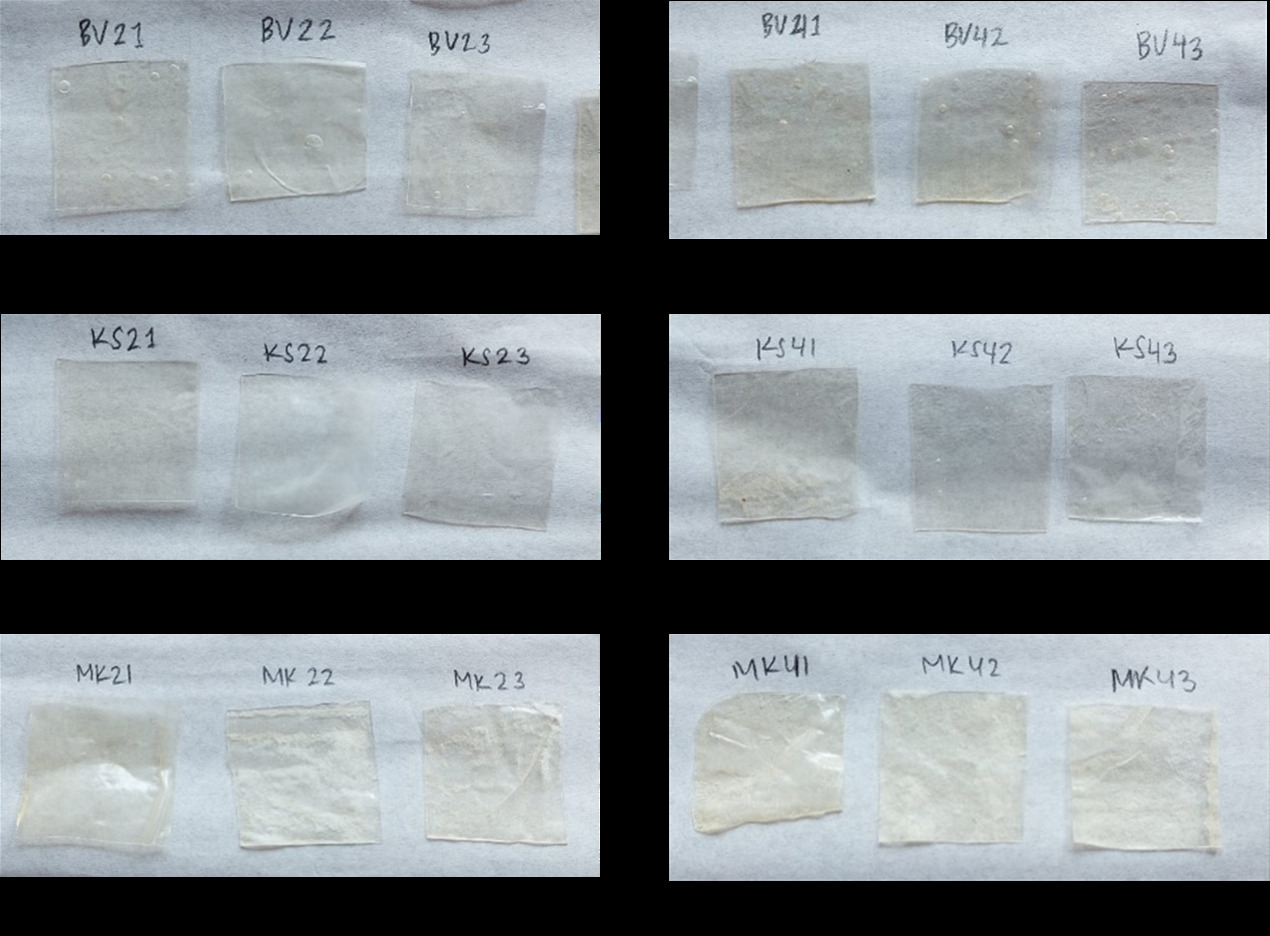
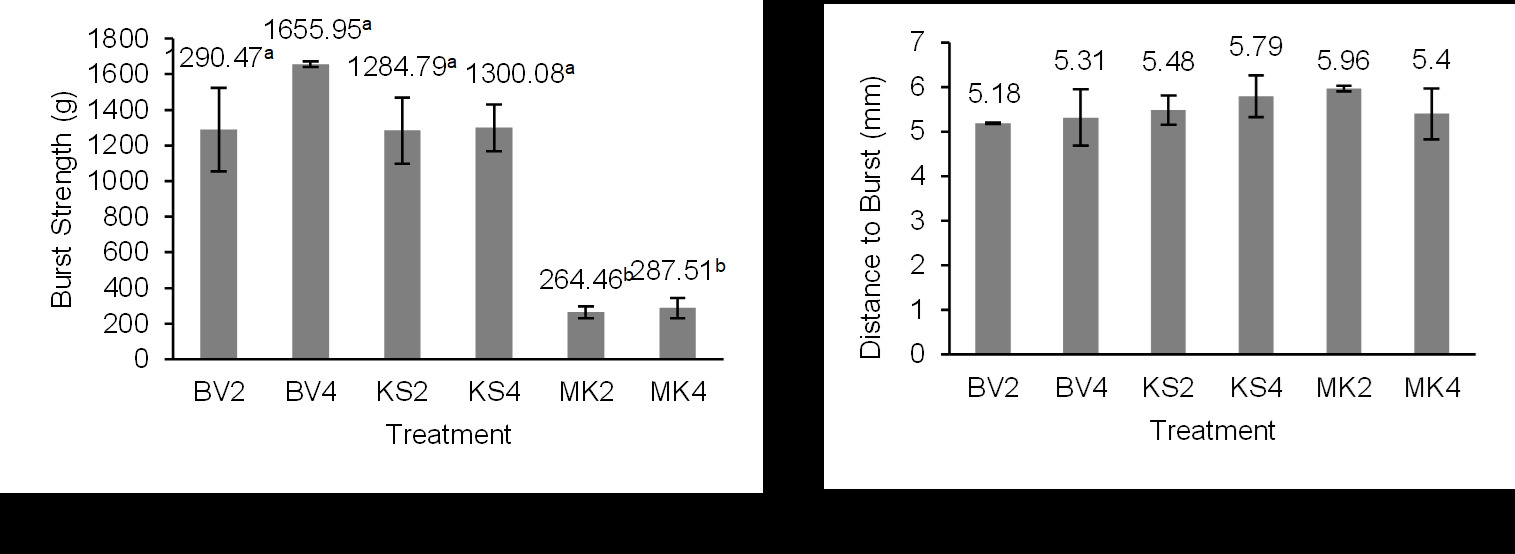
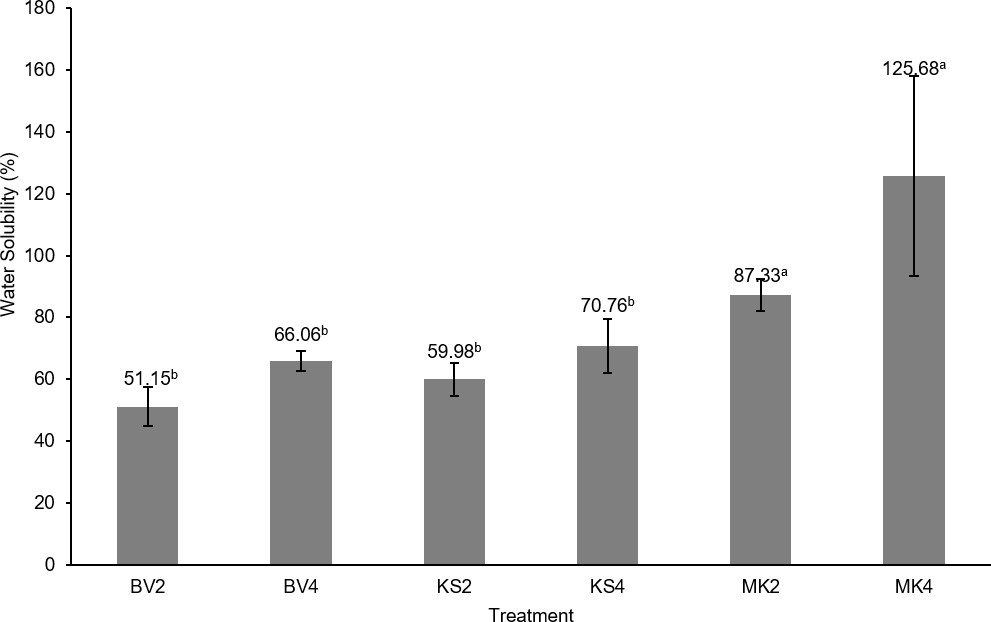
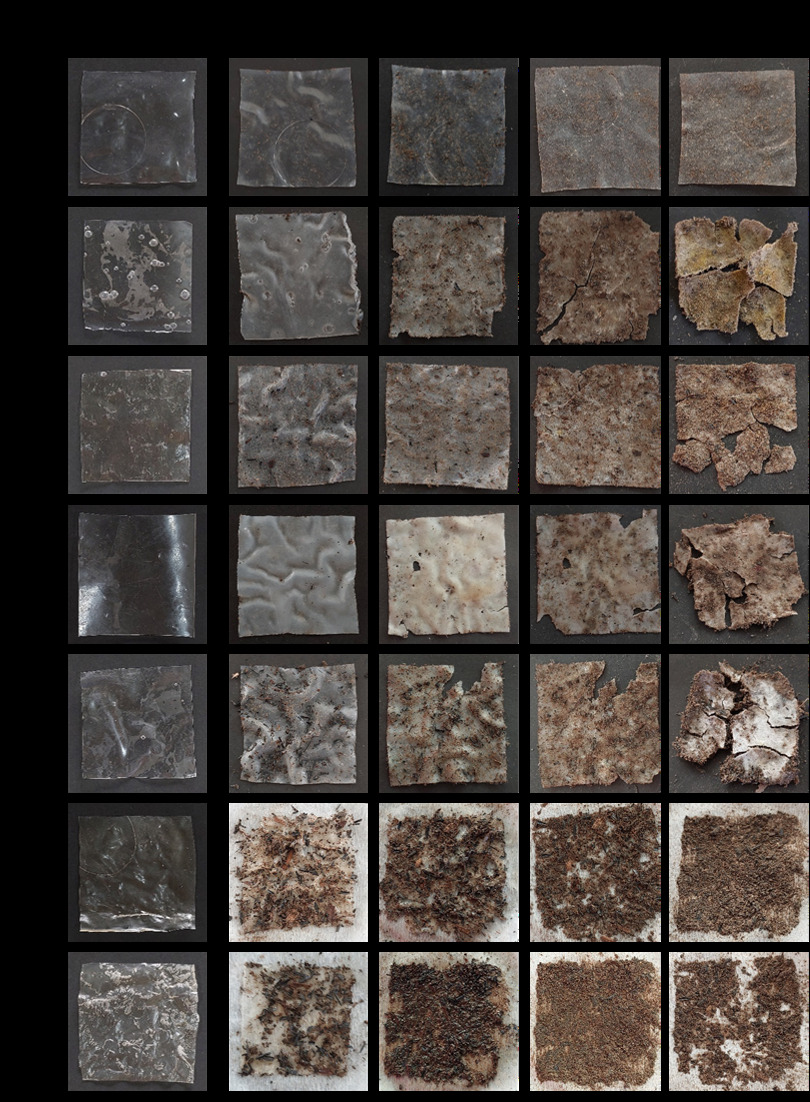
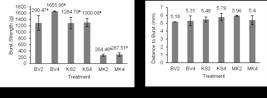
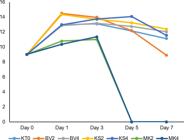
Cassava starch bioplastics have gained significant attention in Indonesia due to their economic viability and environmentally friendly characteristics. This study aimed to characterize the physical properties of cassava starch bioplastic supplemented with gelatin derived from the Indonesian native chicken eggshell membrane (INCES). This study employed a completely randomized design (CRD) consisting of six treatment groups, differentiated by gelatin source (bovine skin, commercial bovine skin, and INCES) and concentration (2% and 4% w/v). The evaluated parameters included color, transparency, puncture resistance, and water solubility. These were statistically analyzed using a CRD with three replications, followed by mean comparisons through Tukey’s test. Biodegradability data were assessed and presented using qualitative descriptive methods. The findings revealed that bioplastic containing 4% INCES gelatin had the brightest, yellowish hue, the lowest transparency, the least puncture resistance, and the highest water solubility. Biodegradability tests showed that the bioplastic decomposed readily in soil within five days. In summary, bioplastic incorporating INCES gelatin displayed inadequate physical properties compared to other samples. Further research should consider adding substances such as chitosan, agar, and cellulose to strengthen its mechanical attributes.
Key words
bioplastic; cassava starch; eggshell membrane; gelatin
 Thumbnail
 Thumbnail
 Thumbnail
 Thumbnail
 Thumbnail
 Thumbnail