 Biodegradable nanocomposite films containing combined ZnO and TiO₂ nanoparticles in PBAT: A strategy to mitigate microplastic persistence from food packaging
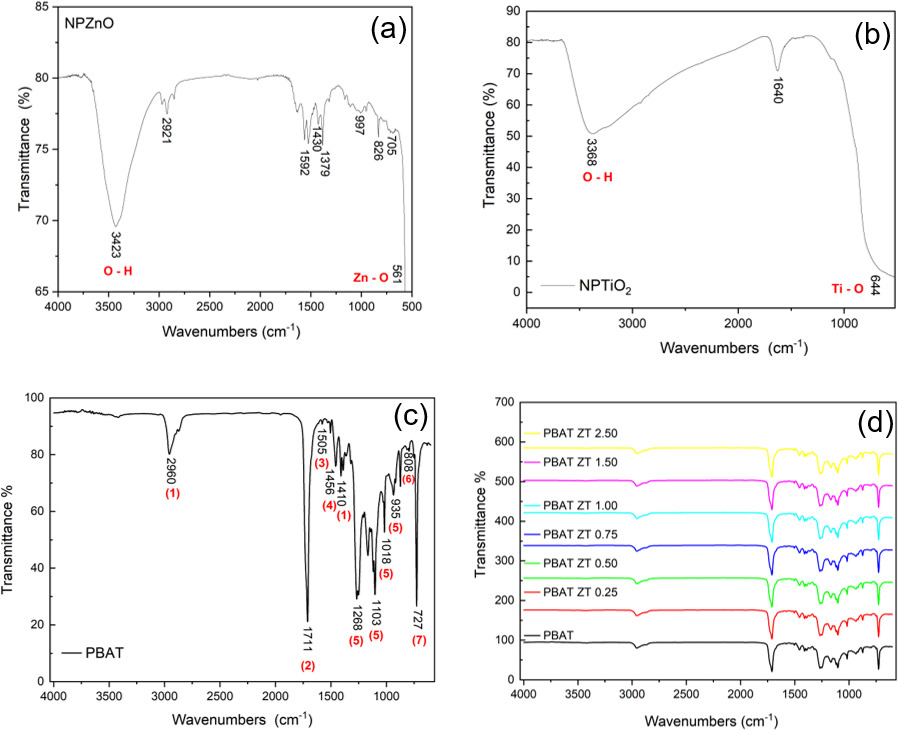
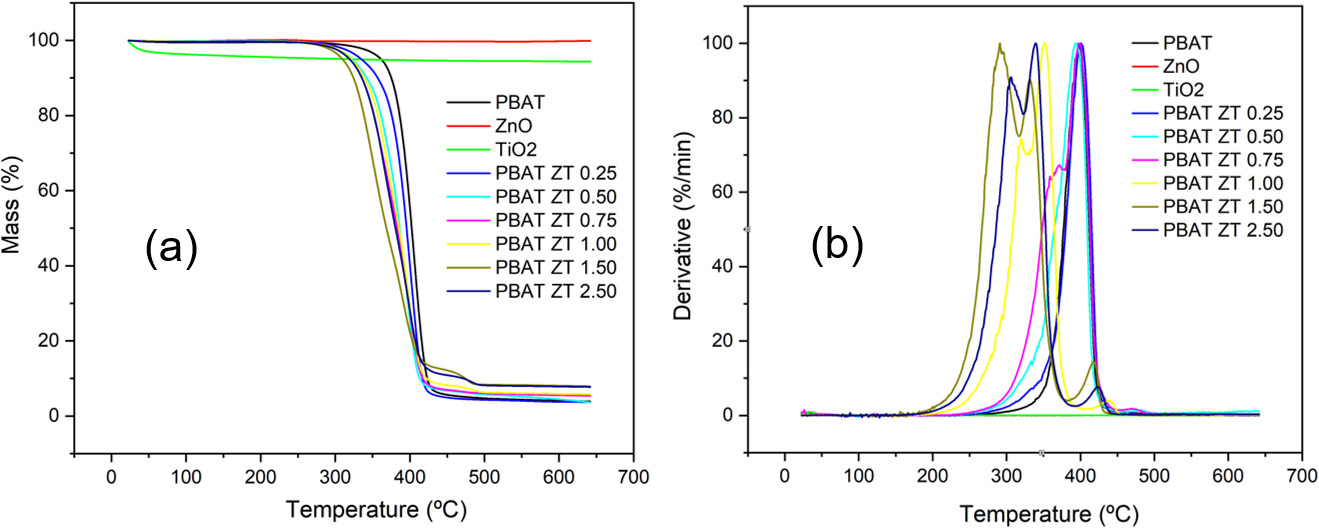
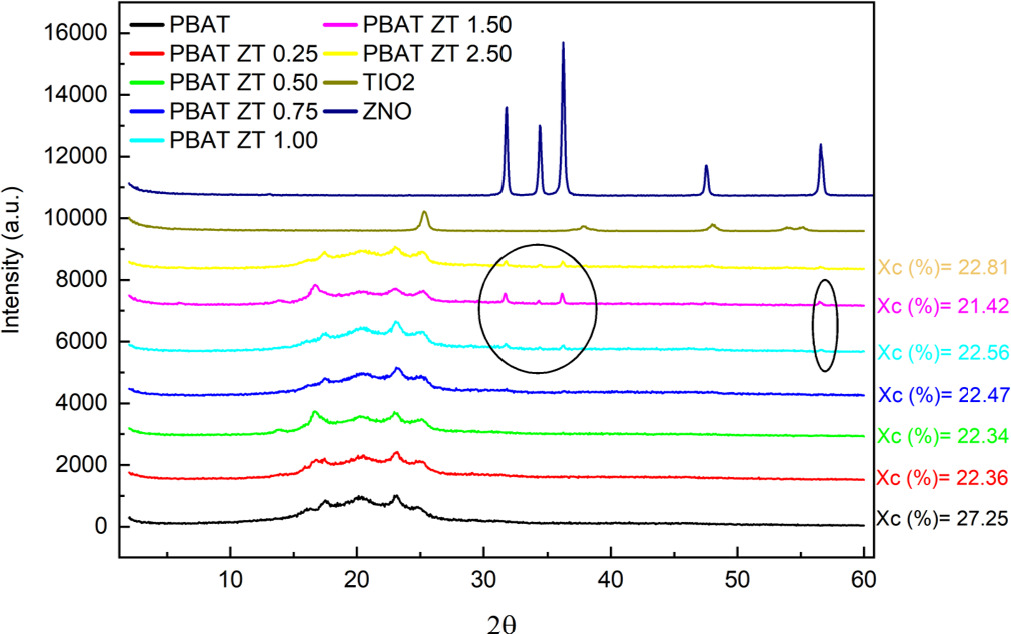
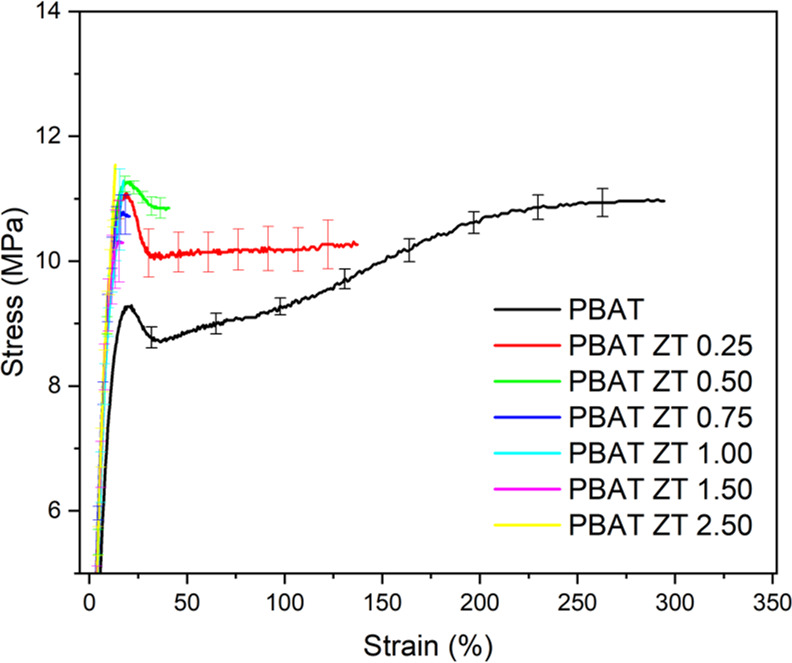
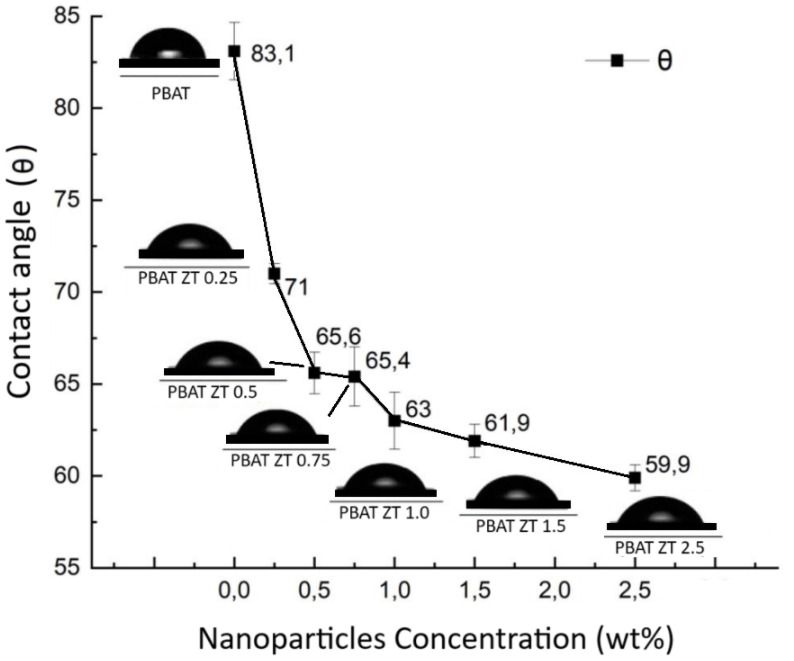
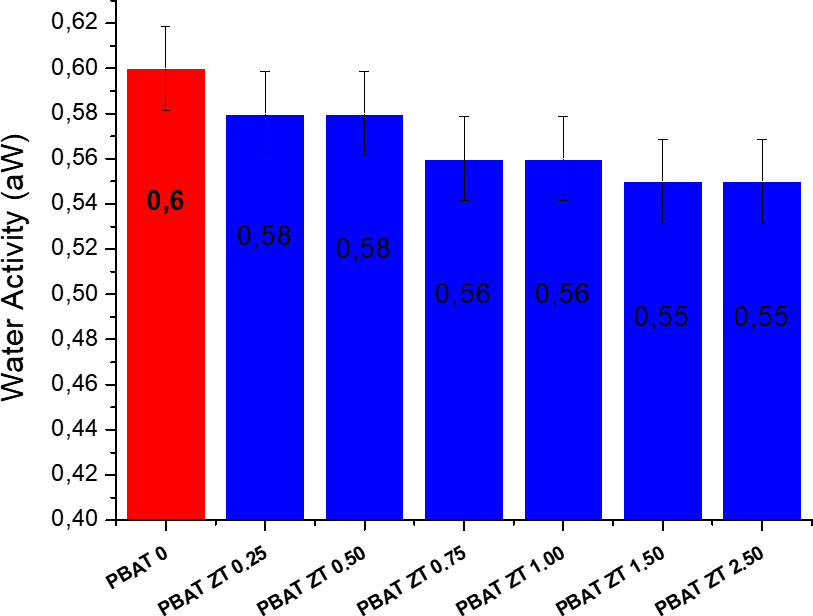
The persistent accumulation of microplastics from synthetic polymers threatens ecosystems and biodiversity. The use of biodegradable and compostable materials as alternatives to conventional plastics in food packaging has shown promise, particularly with the development of nanocomposites that can be tailored to meet market demands. In this study, ZnO and TiO₂ nanoparticles were combined and incorporated into a biodegradable poly(butylene adipate-co-terephthalate) (PBAT) matrix at varying concentrations, forming a novel ternary PBAT/ZnO/TiO₂ system. The films produced via melt processing were characterized using conventional and non-conventional techniques to evaluate their thermal, morphological, chemical, wettability, and biosafety properties. The results indicated that the combined addition of ZnO and TiO₂ slightly reduced the thermal stability and crystallinity of PBAT, while increasing surface hydrophilicity. These features may contribute to accelerated degradation and reduced environmental persistence. Furthermore, improvements in the elastic modulus and enhanced biosafety were observed across all tested concentrations. These findings suggest that the prepared nanocomposites, particularly at 0.75 and 1 wt%, not only possess properties suitable for food packaging applications but also demonstrate potential to mitigate environmental persistence through accelerated degradation. Therefore, this study supports the development of environmentally friendly materials for food packaging, addressing the urgent need to reduce microplastic pollution.
Key words
PBAT; ZnO; TiO2; biodegradable nanocomposites; food packaging; microplastics
 Thumbnail
 Thumbnail
 Thumbnail
 Thumbnail
 Thumbnail
 Thumbnail
 Thumbnail
 Thumbnail