
 Influence of limnological variables on aquatic macrophytes in the Belo Monte reservoir, Amazon, Brazil
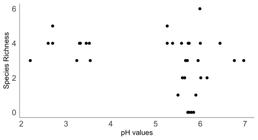
The demand for electricity grows with human expansion. Hydroelectric plants harness river energy but impact freshwater ecosystems. Reservoirs alter water flow, sediment, and local aquatic communities. Environmental variables affect aquatic macrophytes, which play crucial roles in ecosystem balance. This study examines the effects of pH, conductivity, oxygen, temperature, and depth on macrophytes in Belo Monte reservoirs. The study sampled 34 sites in the Xingu and Intermediate reservoirs, measuring the variables pH, conductivity, oxygen, and temperature. We used linear models to assess the relationship between macrophytes and environmental characteristics. Aquatic macrophytes, identified and categorized into life forms, showed significant variation in species richness. Results indicated that pH negatively affects macrophyte richness. Most species were emergent, belonging to Poaceae and Cyperaceae families. The study underscores the importance of pH in determining macrophyte diversity, possibly due to the ecophysiological responses of macrophyte to ionic variations. Temperature was a determining factor for the occurrence of emergent species. We highlight the need for further research on how environmental changes impact aquatic ecosystems, especially considering ongoing and future dam projects in the Amazon biome.
Key words
Altered aquatic environments; Aquatic plants; Freshwater biodiversity; Hydroelectric power plant; Xingu River
 Thumbnail
 Thumbnail

