
 Reproductive biology and phenology of Dyckia erectiflora (L.B.Sm.) Forzza (Bromeliaceae): An endemic bromeliad from rocky outcrops of the Northeastern Brazilian Cerrado
Abstract
The reproductive success of rupicolous bromeliads in the Cerrado depends on climatic conditions and pollinators availability. This study analyzed the phenology and reproductive biology of Dyckia erectiflora (L.B.Sm.) Forzza, an endemic rupicolous bromeliad from Northeastern Brazilian Cerrado. Reproductive phenophases were monitored for two consecutive years in Sete Cidades National Park, Piauí, Brazil. The floral biology and pollination system of the species were evaluated. Flowering and fruiting were seasonal, with delays observed in the second year of the study. Flowering did not correlate with rainfall, occurring during the transition from the rainy to the dry season, while fruiting occurred during the dry season. Seed dispersal, which is anemochoric, ceases at the end of the dry season, facilitating germination in the early rainy months. Flowers exhibit a brief temporal and spatial separation at the beginning of the maturation of the reproductive whorls. The anthesis begins in the late afternoon, with the partial exposure of the receptive stigma, although floral resources such as pollen and nectar are available the following day. The pollination system is melittophilous by exotic bees, rare for the ornithophilous genus. The absence of native vertebrate pollinators raises concerns about the anthropogenic impact on the species’ pollination efficiency.
Key words
phenology; pollination system; rocky cerrado; climate change
INTRODUCTION
The family Bromeliaceae is considered a monophyletic group, subdivided into eight subfamilies, encompassing 75 genera and over 3,500 species (Ulloa-Ulloa et al. 2017, Gouda & Butcher 2023). Widely distributed in the Neotropical region, the family exhibits morphological and physiological adaptive characteristics that confer a high capacity for establishment and survival in both humid (mesic) and dry (xeric) environments (Santos-Silva et al. 2013, Schütz et al. 2016, Moura et al. 2019). However, approximately 81% of its representatives may be at risk of extinction, especially in tropical forests, raising concerns about the conservation of specific faunal interactions associated with bromeliads (Zizka et al. 2020), including pollination and dispersal services.
The genus Dyckia Schult. & Schult. f. is classified in the “xeric clade” of the subfamily Pitcairnioideae (Bromeliaceae) and has recently been expanded to include species from the genera Encholirium and Deuterocohnia (Moura et al. 2019). The genus comprises 164 species, predominantly distributed in Brazil, although it is also found in Argentina, Bolivia, and Paraguay (Guarçoni et al. 2024), many of which are threatened with extinction (Romand-Monnier 2013, Moraes et al. 2014, Forzza et al. 2013, 2023).
Dyckia erectiflora (L.B.Sm.) Forzza, formerly known as Encholirium erectiflorum L.B. Sm., is endemic to the northeastern region of Brazil, occurring exclusively on rocky outcrops (Rocky Cerrados) in Piauí and Ceará (Moura et al. 2019, Guarçoni et al. 2024). These rocky environments where these bromeliads are established are characterized by high solar radiation, wide temperature variation, exposure to strong winds, water and nutritional restrictions (Gomes & Quirino 2016, Hernandez et al. 2023). These restrictive conditions pose a challenge for most plants (Oliveira et al. 2021), as rocky surfaces present ecological barriers to seed germination and seedling establishment (Ribeiro et al. 2007). However, rocky crevices may harbor a differential microclimate, which has evolutionarily enabled the establishment of this botanical genus in xeric environments (Santos-Silva et al. 2013, Moura et al. 2019).
To ensure their survival, most species of the genus Encholirium, now classified as Dyckia, have developed specific adaptations to increase their reproductive success. These adaptations mainly focus on floral characteristics designed to attract and effectively interact with vertebrate pollinators, such as bats and hummingbirds (Christianini et al. 2013, Hmeljevski et al. 2017, Moura et al. 2019, Wanderley et al. 2020). In addition to color variation, which may include shades of green, red, and orange, the abundant production of nectar is a “key feature” that has favored the establishment of a mixed/generalized pollination system involving various vertebrates (Queiroz et al. 2016). Additionally, a notable adaptation to frequent dry conditions is observed in the external morphology of their leaves, which are succulent and have a tapered shape. The anatomy and physiology of the leaves indicate the presence of significant water accumulation, along with CAM metabolism (Schütz et al. 2016).
The Brazilian Cerrado, one of the world’s main hotspots for biodiversity conservation, harbors a diversity of bromeliad species, including those of the genus Dyckia, mainly in rocky fields (Queiroz et al. 2016, Moura et al. 2019). However, this biome faces considerable challenges due to human impacts, resulting in an annual loss of 3% of plant biodiversity (Felfili et al. 2004). This situation is also observed in areas of the Atlantic Forest, where populations of approximately 20 bromeliad species have disappeared (Siqueira Filho & Tabarelli 2006).
The deforestation rates in the Cerrado are twice as high as those in the Brazilian Amazon (Lambin et al. 2013), with up to 15% (30,205,233 ha) of its extent potentially converted into agricultural plantations by 2050 (Monteiro et al. 2020). Such conditions may be exacerbated by emerging climate changes, which have annually affected the vegetation’s life cycle (Morellato et al. 2013, Richardson et al. 2013, Zeppel et al. 2014).
Conserving, sustainably managing, and actively restoring the native ecosystems of the Cerrado require a deep understanding of ecological processes and the provision of ecosystem services (Morandi et al. 2020, Inkotte et al. 2022). In this specific context, there is a clear scarcity of information in the literature on D. erectiflora, addressing the dynamics of its life cycle and reproductive success in the semi-arid regions of northeastern Brazil. This knowledge gap is concerning, considering that populations of this endemic species are restricted to specific microhabitats in the Cerrado and Caatinga biomes, exclusively covering the states of Piauí and Ceará in northeastern Brazil (Guarçoni et al. 2024). These areas also face challenges resulting from anthropogenic activities, such as opal mining and other minerals present in the region (Milanez & Puppim 2009, Souza et al. 2014). Therefore, in this present study, the phenology and reproductive biology of D. erectiflora, an endemic bromeliad of rocky outcrops in the Northeastern Brazilian Cerrado, were analyzed. In this study, the following questions were answered: (1) What reproductive strategies have been evolutionarily fixed by Dyckia erectiflora, considering its floral morphology, anthesis pattern, and the production and availability of floral resources? (2) Does the species exhibit a regular seasonal reproductive phenological pattern over the years? (3) How are climatic variables related to the phenological dynamics of Dyckia erectiflora? (4) Is the pollination of the species predominantly carried out by native pollinators, or are there signs of loss or replacement of this interaction by exotic or opportunistic pollinators?
MATERIALS AND METHODS
Study area
The study on Dyckia erectiflora (L.B.Sm.) Forzza was conducted in the Sete Cidades National Park (PNSC; ICMBio/SISBIO registration number: 34195-1; Figure 1), located between coordinates 4° 5’’59” South and 41° 42’ 50” West, in the northeastern region of the state of Piauí, encompassing the municipalities of Piracuruca, Piripiri, and Pedro II (Della-Fávera 2002). The National Park was established by Decree no. 50,744 on June 8, 1961, covering an area of 6,221.48 hectares of protected land, bordered by medium to small rivers with irregular hydrological regimes and intermittent flow (Figure 1). The terrain is gentle, typical of sedimentary basins, with altitudes ranging from 100 to 300 m (IBDF 1979). The study area is situated within a Cerrado belt (IBGE CDRN 2019). The local climate is classified as sub-humid dry with a slight water surplus in autumn. The historical average annual precipitation in the Sete Cidades National Park was 1,296.1 mm (1985 to 2015), with the months of February, March, and April being the wettest (Santos et al. 2017; Figure 2).

Map of the Sete Cidades National Park, located in the municipalities of Piracuruca, Piripiri, and Pedro II, in the northeastern region of Piauí State, showing the georeferenced individuals of Dyckia erectiflora (L.B.Sm.) Forzza monitored for the phenological study in a fragment of rupestrian cerrado.

Variation of precipitation (mm) and average temperature (°C) from May 2011 to April 2013 at the Piripiri (PI) climatological station (-4.276° latitude, -41.794° longitude).
Phenological studies
In the rocky outcrops of PNSC, we selected 15 individuals of D. erectiflora, which were monitored monthly for two years (Year 1: May/2011 to April/2012; Year 2: May/2012 to April/2013), recording the phenophases of floral buds, open flowers, and fruits. To avoid the inclusion of clonal individuals in the sample, we selected individuals from different rocky outcrops, ensuring greater data representativeness. The sampling size proposed by Fournier (1974) was followed, with adjustments made for the studied bromeliad, based on phenological studies of herbaceous species that adapt the methodology originally developed for trees and shrubs (Aguiar et al. 2020, 2024). This method involves classifying each individual on a semi-quantitative interval scale of five categories of phenophase intensity (0 to 4), with a 25% amplitude interval between them, where “0” indicates absence of the phenophase and “4” indicates maximum intensity (100%). The analysis of the flowering phenological strategy was classified based on its occurrence period according to Newstrom et al. (1994) and Le Stradic et al. (2018), which are: continuous, if present throughout the year (non-seasonal); seasonal or short-term, lasting up to two months; intermediate seasonal, lasting more than 2 to 6 months; prolonged seasonal or extended, lasting between 6 months to one year. Additionally, considering the seasonality of the study area, the occurrence of the region’s climatic seasons was indicated, such as the rainy season (January to May), dry season (July to November), and the transition seasons from dry-rainy (December) and rainy-dry (June) (Figure 2). It is important to highlight that during the period from 2012 to 2015, the Northeast semi-arid region was affected by a prolonged drought due to the strong El Niño phenomenon, whose signals began to appear in December 2011 and intensified throughout the summer and autumn of 2012 (Marengo et al. 2016, Santos et al. 2017).
Floral and reproductive biology
Before flower opening (pre-anthesis), we selected 30 previously marked flowers to assess stigma receptivity using a 0.25% potassium permanganate (KMnO4) solution. Every hour, two flowers were removed and submerged in the solution until they showed the coloration resulting from the reaction, indicating stigma receptivity (Scogin et al. 1977). This procedure was performed during the first exposure of the reproductive verticil. After the initial coloration, the procedure was repeated every 3 hours during anthesis and the following day to verify the continuity of receptivity.
One day before the anthesis period (pre-anthesis), we selected floral buds, marked them, and protected them with TNT bags to measure the volume and concentration of nectar. For this evaluation, we used 10µ Hamilton microsyringes and a pocket refractometer with a 0-50% Brix scale, respectively. Measurements began at 5:00 a.m., with ten flowers, followed by scheduled collections every two hours, always bagging them after each collection (Galetto & Bernardello 1992). This approach simulates the removal of nectar by pollinators, enabling the calculation of average nectar production and its concentration over time.
For biometric measurements, we collected 30 fruits in the process of dehiscence and fixed thirty floral buds and flowers in 70% alcohol. In the laboratory, the number of ovules in the floral buds was counted to determine the pollen/ovule ratio, with the aim of classifying the reproductive system of the species according to the criteria established by Cruden (1977). For pollen analysis, anthers were selected and homogenized in a solution composed of lactic acid and glycerol. The solution from each anther was evenly dispersed on a Neubauer chamber for precise counting of pollen grains. The pollen viability test was performed on 30 anthers using the 2% acetic carmine staining method (Radford 1974).
Pollination system
During the peak of flowering (june), we marked and bagged ten inflorescences before anthesis (pre-anthesis), monitoring them every 2 hours over three random days, totaling 36 hours of observation. We conducted both daytime (6:00 a.m. to 6:00 p.m.) and nighttime (6:00 p.m. to 6:00 a.m.) monitoring to identify potential floral visitors, even when flowers were closed or not offering pollen. We collected comprehensive data on the number of visits, timings, and behavior of floral visitors. Additionally, we investigated whether these visitors came into contact with pollen and/or stigma, categorizing them as effective pollinators, occasional pollinators, or pilferers. Furthermore, we observed the type of floral resource collected by each category of individuals mentioned above.
Data analysis
To assess the seasonality and synchrony of the species in reproductive phenophases, we applied circular statistics, using the monthly percentages of phenological event intensity (Morellato et al. 2010). Circular statistics were conducted using the Oriana 4.2 program (Kovach 2011). The data were divided into 12 equidistant intervals of 30°, representing the 12 observation months, to complete 360°. The variables measured were the mean angle or mean date (μ), the vector (r) (a measure of concentration or synchrony of individuals around the mean date), and the circular standard deviation (CSD).
Initially, we employed the Rayleigh test (Z) to assess the significance of the mean angle around the circumference, to investigate the uniformity of phenological events throughout each year of the study. This test allowed us to determine whether phenological events occurred continuously or showed a tendency to occur in a specific period of the year (seasonal). The period of greatest phenological intensity was defined based on the mean angle (μ), and the degree of seasonality of phenological events was determined by the mean vector (r). The coefficient of r varies from 0 to 1, indicating that the closer to 1, the more concentrated the individuals are in flowering or fruiting around the mean date and in a specific period of the year.
Differences in each phenophase between the two study years were assessed using the Watson-Williams test (F Test), using the Oriana 4.2 software (Kovach 2011). Sample dispersion was previously tested by the Watson test (U²) to verify the presence of the Von Mises distribution, necessary for the F test.
Meteorological data on precipitation, relative humidity, and average temperature were obtained from the Piripiri climatological station (Figure 2; Code: 82480), located at -4.276° latitude, -41.794° longitude, and an altitude of 157.89 m. To assess the correlation between the phenological behavior of the plants and the monthly values of climatic variables, we performed a correlation matrix analysis using Statistica 7.0 software (Statsoft 2004). In this analysis, we assessed the association between the monthly values (over a 24-month period) of each phenological variable and the corresponding climatic data (precipitation, temperature, and relative humidity), organizing them into two columns: one for the phenological variable and the other for the climatic variable. Spearman’s correlation coefficient was used to determine the strength and direction of the relationships, as it is suitable for non-normally distributed data and monotonic relationships.
RESULTS
Phenology and seed dispersal
D. erectiflora followed an intermediate seasonal pattern in flowering, occurring at the end of the rainy season, lasting 3 (Year 2) to 4 months (Year 1; Table I). In the first year, the emergence of floral buds was most intense in May (68.63%; Figure 3), while in the following year, the highest intensity occurred one month later than the observed pattern, in June (57.5%; Figure 3; Table I). In both years, flower opening reached its peak intensity in June, although with significantly lower intensity for the second year (Year 1 = 55%; Year 2 = 27.5%; Figure 3; Table I). Despite delays in flowering in Year 2, we observed synchrony between the flowering peaks across years (F Test, p > 0.05).
Circular statistics of phenophases (buds, flowers, and fruits) in Dyckia erectiflora (L.B.Sm.) Forzza (Bromeliaceae) for the period from May 2011 to April 2013 conducted at Parque Nacional Sete Cidades, Piauí. r = vector length (measure of concentration); μ = mean angle; CSD = circular standard deviation; Z = Rayleigh Test; p = significance measure of the mean angle.

Circular distribution of the reproductive phenology of Dyckia erectiflora (L.B.Sm.) Forzza. Year 1 = May/2011 to April/2012; Year 2 = May/2012 to April/2013; R = rainy season; D = dry season. T = wet–dry and dry–wet transition. The direction of the arrow indicates the mean date (μ) of peak activity or intensity. The length of the arrow indicates the degree of seasonality (r).
Fruit maturation exhibited an intermediate seasonal pattern within the dry season, preceded by a single flowering episode, lasting 7 months in Year 1, and 8 months in Year 2 (Figure 3; Table I). In the first year, fruiting peaked in August (89%). In the second year, it started late with the highest intensity recorded in September (85.8%), persisting for two more months (Figure 3). Although occurring at the same time, we noticed no synchrony between fruiting peaks across years (F Test, p < 0.05). From August, during the dry season, the fruits began to dehisce, dispersing their seeds by the wind (anemochory) (Figure 4f).

Floral Biology and Pollination System of Dyckia erectiflora (L.B.Sm.) Forzza. (a) Inflorescence; (b) Floral buds with arrow indicating the receptive stigma at 5 p.m.; (c) Flowers open on the first day of anthesis with arrow highlighting pollen grain offering; (d) Flowers in senescence on the second day of anthesis; (e) Green or immature fruits; (f) Mature fruits in the process of dehiscence. Floral visitors include (g) Apis mellifera (Linnaeus, 1758); (h) Trigona spinipes (Fabricius, 1793) with arrow showing; (i) Flies; (j) Wasps; (l) Chionomesa fimbriata (Gmelin, 1788); (m) Coereba flaveola (Linnaeus, 1758).
No significant correlation was found between precipitation and the phenophases of floral buds (rs = 0.14; p = 0.51) and floral opening (rs = -0.02; p = 0.91). This is due to these phenophases concentrating at the end of the rainy season and extending into the dry season. However, it is observed that flowering predominantly occurs after the months with the highest precipitation levels.
No significant correlations were found between the average temperature (rs = -0.32; p = 0.13 for floral buds; rs = -0.39; p = 0.06 for floral opening) and relative humidity (rs = 0.16; p = 0.45 for floral buds; rs = 0.15; p = 0.48 for floral opening) with the analyzed phenophases (Table II).
Spearman’s correlation coefficients (rs) between climatic variables (precipitation, temperature, and relative humidity) and the phenophases of flower buds, open flowers, and fruits of Dyckia erectiflora (L.B.Sm.) Forzza, an endemic rupicolous bromeliad from the Northeastern Brazilian Cerrado. p = p-value; N = sample size. Correlation strength: rs < 0.30 = weak; 0.30–0.69 = moderate; ≥0.70 = strong; (NS) = Not significant (p > 0.05).
Fruit set predominantly occurred in the dry season and showed a significant negative correlation with the reduction of precipitation levels (rs = -0.56; p < 0.01; Table II) and relative humidity (rs = -0.71; p < 0.01; Table II), but not with the average temperature (rs = 0.37; p = 0.08; Table II).
Floral and reproductive biology
D. erectiflora presents a compound inflorescence of the double-raceme heterothetic type (Figure 4a). The flowers have ovate and obtuse sepals with greenish coloration and brown spots (7.82 mm ± 0.51), and oblong orange petals (17.91 mm ± 0.70) (Figure 4b, c, d). The stamens are isodinous (24.22 mm ± 0.93) with anthers of rimose dehiscence (6.53 mm ± 0.98). The pistil (24.92 mm ± 0.30) presents a superior ovary, tricarpellar and trilocular with spiral-conduplicate stigmas (24.92 mm ± 0.30). The nectaries are septal. The fruits are capsular (0.266 g ± 0.04; length: 13.92 mm ± 0.8; width: 9.22 mm ± 0.51), and the seeds are winged (Figure 4e, f).
The daily flower offering averages 12 flowers/individual. The average pollen grains for each anther were 51,057 ± 10,991, of which 96.86% were considered viable. The number of ovules in the ovary was 253 ± 41.3. The pollen/ovule (P/O) ratio was 1,258 ± 399, classifying the species as facultative xenogamous, indicating a flexible reproductive strategy that allows both self-fertilization and cross-pollination.
Floral opening was gradual, starting at 5:00 p.m., when the flower initially exposes the stigma (Figure 4b), which remains receptive for two consecutive days, representing the period of anthesis (Figure 4c, d). At 5:00 a.m., the opening is complete, revealing the vegetative whorls and releasing nectar. Although the largest volume of nectar is produced at this time, the highest concentration occurs at 7:00 a.m., and nectar production is limited to the morning of the first day of anthesis, ceasing in the afternoon (Figure 5a). The reduction in the volume of nectar quantity is similar to the reduction in its concentration over time (Figure 5a). Anther dehiscence (Figure 4c) occurs only from 7:00 a.m. onwards, and pollen offering lasts until 4:00 p.m. In the subsequent days, the beginning of the senescence process of the flower is marked, evidenced by the dehydrated appearance of the vegetative and reproductive whorls. However, even after fruit development, the floral whorls still persist (Figure 4d, e, f).
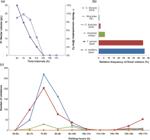
Nectar production and concentration (a), relative frequency of floral visitors (b), and number of visits per hour in the daytime period (c) in Dyckia erectiflora (L.B.Sm.) Forzza.
Pollination system
Floral visitors began their visits around 6:00 a.m., one hour after nectar availability (5:00 a.m.), intensifying at 7:00 a.m. with the opening of the anthers and concluding their activities around 5:00 p.m. (Figure 5c). The most frequently observed visitors were Apis mellifera (Linnaeus, 1758) (Italian/African honeybee) and Trigona spinipes (Fabricius, 1793) (stingless bee). Less frequent visitors included birds, namely Chionomesa fimbriata (Gmelin, 1788) (Green-throated Hummingbird) and Coereba flaveola (Bananaquit) (Linnaeus, 1758), as well as flies and wasps (Figure 4g-m; Figure 5b, c).
Apis mellifera was categorized as the effective pollinator due to its intense flower visitation (49.95%; Figure 5b) and demonstrated efficiency in pollen collection, making contact with the stigma (Figure 4g). Trigona spinipes is classified as an occasional pollinator due to its significant frequency (48.10%; Figure 4h, Figure 5b, c). However, it rarely established contact with the reproductive whorls, as its efforts were primarily directed towards nectar collection. The frequency of both bees increased significantly around 7:00 a.m. (Figure 5c), coinciding with anther opening and high nectar production (Figure 5a, b). This pattern gradually declined between 8:00 a.m. and 9:00 a.m., ceasing completely around 2:00 p.m. (Figure 5c).
Birds, flies, and wasps exhibited robber behavior due to their low visitation frequency, limited to nectar collection (Figure 4h, i; Figure 5c). They used the sides of the flowers, between sepals and petals, without touching the anthers and stigma. Nighttime observations revealed the presence of a robber, the rodent popularly known as mocó from the Caviidae family (Kerodon rupestris Wied, 1820), which had the habit of feeding on the flowers, removing them from the floral scape.
DISCUSSION
In this study, we compared Dyckia erectiflora (L.B.Sm.) Forzza, previously classified as Encholirium erectiflorum L.B.Sm., with other species formerly belonging to the genus Encholirium, now grouped under Dyckia (Moura et al. 2019, Guarçoni et al. 2024). This comparison is based on the fact that most published studies on pollination ecology were conducted before the recent taxonomic changes in the genus. We also discussed species that were already part of the genus Dyckia. This analysis allowed us to assess similarities and differences, providing valuable insights into the reproductive biology of the species and understanding its evolutionary relationships within the genus.
Phenology and seed dispersal
We identified a seasonal pattern of flowering and fruiting in D. erectiflora, characterized by a single annual episode, with delays observed in the second year of the study. This seasonal reproductive pattern is common in plant species found in dry tropical forests, synchronizing with climatic seasonality, whether in the rainy or dry season (Gottsberger & Silberbauer-Gottsberger 2006, Souza et al. 2014, Christianini et al. 2013, Le Stradic et al. 2018), and with the availability of specific pollinators/dispersers (Morellato et al. 2016, Bergamo et al. 2018).
Studies on the reproductive events of 366 plant species in the Cerrado demonstrated a positive correlation with soil moisture availability and climatic variables, such as precipitation (Silva & Scatena 2011). However, this pattern was not observed during the flowering of this species, as there was no significant correlation with precipitation, although we do not dismiss the potential effects of accumulated humidity throughout the rainy period, which may be related to the initial development of the inflorescence.
The flowering of D. erectiflora occurs at the end of the rainy season, in contrast to many other plant species in semi-arid environments, which may even flower continuously in Rocky Cerrados (Gonçalves-Oliveira et al. 2020). Comparatively, Encholirium spectabile Mart. Ex Schult. f., exhibits a pattern similar to that of D. erectiflora, with flowering in the rainy-to-dry transition, coinciding with the last rains and part of the dry season in the Caatinga (Queiroz et al. 2016, Gonçalves-Oliveira et al. 2017). However, other species in the genus have a different pattern, initiating flowering at the beginning of the rainy period and extending through the wettest months (December to April), as observed in Encholirium heloisae (L.B.Sm.) Forzza & Wand., Encholirium vogelii Rauh. (Christianini et al. 2013), and Encholirium subsecundum (Baker) Mez (Forzza 2005). This strategic divergence may indicate an adaptation of the genus to reduce interspecific competition for pollinators, increasing the diversity of available resources and ensuring the survival of its populations (Bergamo et al. 2018).
Fruiting in D. erectiflora occurred during the dry season and showed a positive correlation with low relative air humidity. However, we observed delays in the reproductive period, possibly due to climatic changes or anthropogenic interference (Morellato et al. 2016, Aguiar et al. 2020), such as the extreme drought recorded during this period (Marengo et al. 2016, Santos et al. 2017). These factors require further investigation, especially if the pattern repeats in future studies.
In both years, fruit dehiscence and dispersal of winged seeds during the dry season are favored by climatic conditions, such as high temperatures and stronger winds (Gomes & Quirino 2016, Hernandez et al. 2023). Our findings align with previous studies, indicating that approximately half of the species (50%) in a Caatinga fragment disperse seeds exclusively during the dry season, with 28% of these being wind-dispersed (Souza et al. 2014).
Anemochorous seed dispersal during the dry season not only increases colonization chances but also allows seeds to travel greater distances in open or disturbed landscapes compared to dense or undisturbed forests, due to contrasting wind speed, direction, and intensity characteristics (Hernandez et al. 2023). Moreover, this dispersal method enables rapid germination with the onset of rains during the subsequent rainy season, provided they do not have dormancy (Souza et al. 2020). In these favorable conditions, with high water availability, seeds are more likely to germinate and establish seedlings successfully (Souza et al. 2020). Despite the challenging conditions of rocky environments (Rocky Cerrados) where rupicolous bromeliads have established themselves (Ribeiro et al. 2007, Gonçalves-Oliveira et al. 2017, 2020), rock crevices may present a differential microclimate, which has evolutionarily allowed the establishment of this botanical genus in xeric environments (Santos-Silva et al. 2013).
Floral and reproductive biology
We classified the species under study as facultative xenogamous, indicating a flexible reproductive strategy that enables both self-fertilization and cross-pollination (Cruden 1977). This characteristic is common in the Dyckia genus, as observed in D. dissitiflora and D. brevifolia, which have a partial capacity for self-compatibility and autogamy (self-pollination), but show higher fruit production under control and cross-pollination treatments (Lenzi & Paggi 2020, Fagundes et al. 2024). This strategy is advantageous for bromeliads, especially in environments with low pollinator activity (Lenzi & Paggi 2020), such as in the case of the hummingbird Chlorostilbon lucidus in D. dissitiflora in the Brazilian Caatinga, which is a low-frequency pollinator (Fagundes et al. 2024).
The maturation of the reproductive whorls of D. erectiflora exhibits a brief temporal and spatial separation: the stigma becomes exposed and receptive at 5 p.m., while the anther is exposed and pollen release occurs only at 7 a.m. This floral response cannot be considered herkogamy or dichogamy, as at certain moments, the viability of both reproductive whorls may coincide in time and space, allowing for self-pollination (Lloyd & Webb 1986, Cardoso et al. 2018). A similar pattern was observed in Dyckia dissitiflora Schult.f., endemic to rocky outcrops in the Brazilian Caatinga domain, where stigma receptivity occurs throughout the anthesis process, while floral resources are available the following day (Fagundes et al. 2024). In contrast, in other species of the genus, such as E. heloisae and E. vogelii, stigma receptivity and anther dehiscence may occur simultaneously with flower opening (Christianini et al. 2013).
Based on the observed results, there is a dynamic in nectar production throughout the morning, with a reduction in both volume and concentration as time passes. The exposure of nectar due to floral morphology makes it susceptible to evaporation, which is a crucial factor to consider. As observed by Queiroz et al. (2016), the volume and sugar concentration in nectar can vary significantly throughout anthesis, especially in microclimates of rocky outcrops, due to factors such as wind and high temperatures.
Considering the concentration and composition of nectar sugars in Bromeliaceae, these factors appear to be more closely correlated with pollinator type than with phylogenetic patterns, as indicated by Krömer et al. (2008). When the average sugar concentrations in nectar range from 25% to 48%, species are classified as trochilophilous, as observed in most bromeliads. These data support our evidence (Figure 1a) of a possible association with hummingbirds in Dyckia erectiflora, although such a relationship was not confirmed in this study.
The peak in nectar production in D. erectiflora occurs simultaneously with anther dehiscence at 7 a.m., suggesting an adaptive strategy to ensure the effectiveness of rewards to pollinators during the day. A similar behavior is observed in D. dissitiflora and D. excelsa, which also exhibit diurnal nectar production, with ornithophilic characteristics, meeting the needs of hummingbird pollinators (Lenzi & Paggi 2020, Fagundes et al. 2024). However, this behavior contrasts with that observed in other species of the genus, such as E. horridum, which exhibits crepuscular/nocturnal anthesis and high nectar production during this period, catering to nocturnal pollinators (Hmeljevski et al. 2017). Thus, in addition to composition, the period of nectar production is determinant for which groups of pollinators, whether diurnal or nocturnal, will have access to the reward.
However, we do not fully understand why anthesis in the studied species (D. erectiflora) begins at twilight, exposing the receptive stigma, while floral resources are only available during the day, concomitantly with the presence of pollinators. An additional possibility is that this phenotypic specialization in flowers is correlated with an ongoing speciation process (Armbruster 2017), the mechanisms of which have not yet been fully understood. These temporal and morphological adaptations highlight the complexity of interactions between the plant and its pollinators in the genus Encholirium, currently placed in Dyckia, optimizing pollination efficiency in the context of its natural environment.
Pollination system
In this study, the pollination system of D. erectiflora was classified as melittophily, as the species that interacted with the anthers and stigmas were bees. However, the diurnal anthesis, with orange sepals and petals, and the easy access to nectar, which is abundant and concentrated in a reduced hypanthium (Forzza 2005), do not restrict the plant exclusively to the melittophilous syndrome (Van Der Pijl 1960, 1961, Rech et al. 2014), although the floral resource includes both nectar and pollen. The flowers are distributed in a double heterothetic raceme, oriented upward, with non-overlapping petals and sepals (Forzza 2005), facilitate access for larger visitors, such as birds, as well as other non-specialized pollinators observed in our study. These visitors seek easily accessible floral resources (without barriers or specific mechanisms for access), indicating a predominant tendency for generalist relationships (Gómez 2002, Rech et al. 2014), which appear to have developed throughout the evolutionary process in this species. However, it is important to highlight that the effective pollinator, in terms of behavior, was an exotic bee. We emphasize that we did not observe the effectiveness of visits in fruit formation, limiting our analysis to the behavior of pollen collection and interaction with the reproductive verticils, which should be investigated in future studies.
This scenario is peculiar, especially considering that several species of this botanical genus, throughout evolution, have developed a vertebrate pollination strategy (Forzza 2005, Christianini et al. 2013, Hmeljevski et al. 2017, Lenzi & Paggi 2020, Fagundes et al. 2024). However, this dynamic was not observed in D. erectiflora, although it possesses floral characteristics attractive to birds, such as orange coloration and abundant nectar production (Pauw 2019). Another observed incongruity is that mammals like the opossum, which act as nocturnal pollinators in species of the genus (Queiroz et al. 2016), may damage the reproductive structures of D. erectiflora by feeding on them, as observed in the specific case of the rodent mocó in this study.
The morphological differences between Dyckia and Encholirium are clearly associated with distinct pollination syndromes, involving pollinators such as insects, birds, bats, and small mammals (Queiroz et al. 2016, Kessler et al. 2020, Wanderley et al. 2020). Hummingbird pollination is considered ancestral in this “xeric clade” (Schütz et al. 2016), while bat pollination significantly contributed to its diversification, occurring in parallel with the rapid radiation of the former genus Encholirium (Moura et al. 2019). However, the identification of the exotic African bee (Apis mellifera) as the most abundant floral visitor, interacting with the reproductive verticils during the collection of floral resources, raises concerns about the absence or loss of a specific pollination relationship between the bromeliad and a native pollinator species. This is particularly relevant, considering that the hummingbird, a common pollinator in bromeliads of rocky outcrops (Queiroz et al. 2016, Fagundes et al. 2024), showed low visitation frequency and does not interact with the reproductive verticils.
When exotic bees dominate the pollinator community, they compete with native species for resources and exhibit a specific foraging behavior, staying on nearby plants and transferring pollen between them. This behavior may promote inbreeding, i.e., reproduction between genetically related individuals within a population (Travis & Kohn 2023). This can result in a reduction in offspring fitness, known as inbreeding depression, affecting genetic diversity and the future evolution of plants, representing a threat to biodiversity and ecosystem stability (Charlesworth & Willis 2009, Kardos et al. 2021).
The decline of native pollinators reflects the impacts of human activities (Dicks et al. 2021) and climate change, such as severe droughts that affected species populations between 2011 and 2015 (Marengo et al. 2016, Santos et al. 2017), or even a process of specialization in interaction partners (Pauw 2019). The possible loss of these native plant-pollinator relationships, developed over thousands of years, requires a more detailed investigation of the factors that influenced this ecological dynamic in the region.
CONCLUSIONS
The seasonal analysis of flowering and fruiting in D. erectiflora reveals a pattern adapted to the specific climatic conditions of the region. However, the lack of correlation between flowering and precipitation suggests that other biotic and abiotic factors may influence the species’ reproductive cycle. The reproductive system is facultative xenogamy, an adaptive evolutionary strategy that allows both self-fertilization and cross-pollination, especially in the absence of efficient pollinators. Additionally, the anemochorous seed dispersal during the dry season increases the chances of colonizing new environments and contributes to rapid germination in the subsequent rainy season.
The species’ pollination system is melittophilous, with a specific relationship with an exotic bee, without effective interaction with potential vertebrate pollinators, which are common in other species of the same genus. This absence suggests a possible loss of a specific relationship with a native pollinator and a reduction in the plant’s genetic variability. The decline in interaction with vertebrates raises serious concerns about the species’ reproductive future, emphasizing the importance of preserving and gaining a deeper understanding of plant-pollinator interactions. The transformations in pollination strategies throughout the evolution of the genus highlight the complexity of relationships between plants and pollinators, especially in the face of increasing environmental pressures and human interference.
Acknowledgements
We thank the Seven Cities National Park and the Chico Mendes Institute for Biodiversity Conservation for their essential support in conducting this study (ICMBio/SISBIO registration number: 34195-1). We thank UFPI/Brasil (Universidade Federal do Piauí), Fundação de Amparo à Pesquisa do Estado do Piauí (FAPEPI) and Conselho Nacional de Desenvolvimento Científico e Tecnológico (CNPq; 167901/2022-2) for providing research grants to the authors and for funding and supporting the construction of the experiment.
References
- AGUIAR BAS, LOPES CGR, SOUSA GM, MEDEIROS MJL, SILVA KA & ARAÚJO EL. 2024. Effect of simulated extreme rainfall on the vegetative phenology of perennial and annual herbaceous plants from a Brazilian dry forest. Plant Biol 26: 868-877.
- AGUIAR BAS, SOARES ESS, ARAÚJO VKR, SANTOS JMFF, SANTOS DM, SANTOS AMM, SILVA KA, SOUZA JT & ARAÚJO EL. 2020. The effect of reducing soil water availability on the growth and reproduction of a drought-tolerant herb. Acta Oecol 107: 103617.
- ARMBRUSTER WS. 2017. The specialization continuum in pollination systems: diversity of concepts and implications for ecology, evolution and conservation. Funct Ecology 31: 88-100.
- BERGAMO PJ, WOLOWSKI M, MARUYAMA PK, VIZENTIN-BUGONI J & SAZIMA M. 2018. Trait patterns across space and time suggest an interplay of facilitation and competition acting on Neotropical hummingbird-pollinated plant communities. Oikos 127: 1690-1700.
- CARDOSO JCF, VIANA ML, MATIAS R, FURTADO MT, CAETANO APDS, CONSOLARO H & BRITO VLGD. 2018. Towards a unified terminology for angiosperm reproductive systems. Acta Bot Bras 32: 329-348.
- CHARLESWORTH D & WILLIS JH. 2009. The genetics of inbreeding depression. Nat Rev Genet 10: 783-796.
- CHRISTIANINI AV, FORZZA RC & BUZATO S. 2013. Divergence on floral traits and vertebrate pollinators of two endemic Encholirium bromeliads. Plant Biol 15: 360-368.
- CRUDEN RW. 1977. Pollen-ovule ratios: a conservative indicator of breeding systems in flowering plants. Evolution 31: 32-46.
- DELLA-FÁVERA JC. 2002. Parque Nacional de Sete Cidades, PI - Magnífico monumento natural. In: Schobbenhaus C, Campos DA, Queiroz ET, Winge M & Berbert-Born MLC (Eds), Sítios Geológicos e Paleontológicos do Brasil. 1st ed., Brasília: DNPM / CPRM - Comissão Brasileira de Sítios Geológicos e Paleobiológicos, p. 335-342.
- DICKS LV ET AL. 2021. A global-scale expert assessment of drivers and risks associated with pollinator decline. Nat Ecol & Evol 5: 1453-1461.
- FAGUNDES ACA, SOUZA EH, SILVEIRA FUNCH L, MACHADO IC & SIQUEIRA-FILHO JA. 2024. Autogamy ensures reproductive success in the bromeliad Dyckia dissitiflora Schult. f., endemic to the Brazilian caatinga domain. Plant Species Biol 39: 138-152.
- FELFILI JM, SILVA JÚNIOR MC, SEVILHA AC, FAGG CW, TELES WALTER BM, NOGUEIRA PE & REZENDE AV. 2004. Diversity, floristic and structural patterns of cerrado vegetation in Central Brazil. Plant Ecol 175: 37-46.
- FORZZA RC. 2005. Revisão taxonômica de Encholirium Mart. ex Schult. & Schult. f. (Pitcairnioideae-Bromeliaceae). Bol Bot Univ São Paulo 23: 1-49.
-
FORZZA RC. 2023. Encholirium in Flora e Funga do Brasil. Jardim Botânico do Rio de Janeiro. Available at: https://floradobrasil.jbrj.gov.br/FB6086. Accessed on May 16, 2023.
» https://floradobrasil.jbrj.gov.br/FB6086. - FORZZA RC ET AL. 2013. Bromeliaceae. In: Martinelli G & Moraes MA (Eds), Livro vermelho da flora Brasileira. Rio de Janeiro: Instituto de Pesquisas Jardim Botânico do Rio de Janeiro, p. 315-396.
- FOURNIER LA. 1974. Un método cuantitativo para la medición de características fenológicas en árboles. Turrialba 24: 422-423.
- GALETTO L & BERNARDELLO LM. 1992. Extrafloral nectaries that attract ants in Bromeliaceae: structure and nectar composition. Can J Bot 70: 1101-1106.
- GOMES VGN & QUIRINO ZGM. 2016. Síndromes de dispersão de espécies vegetais no Cariri Paraibano. R Bras de Geogr Fís 9: 1157-1167.
- GÓMEZ JM. 2002. Generalización en las interacciones entre plantas y polinizadores. Rev Chil Hist Nat 75: 105-115.
- GONÇALVES-OLIVEIRA RC, WÖHRMANN T, BENKO-ISEPPON AM, KRAPP F, ALVES M, WANDERLEY MDGL & WEISING K. 2017. Population genetic structure of the rock outcrop species Encholirium spectabile (Bromeliaceae): the role of pollination vs. seed dispersal and evolutionary implications. Am J Bot 104: 868-878.
- GONÇALVES-OLIVEIRA RC, WÖHRMANN T, WEISING K, WANDERLEY MDGL & BENKO-ISEPPON AM. 2020. Genetic structure and gene flow among populations of Encholirium magalhaesii, a rocky grassland fields bromeliad. Braz J Bot 43: 283-290.
- GOTTSBERGER G & SILBERBAUER-GOTTSBERGER I. 2006. Life in the Cerrado, 1st ed., Origin, Structure, Dynamics and Plant Use. Reta: Ulm, 478 p.
-
GOUDA EJ & BUTCHER D. 2023. A list of accepted Bromeliaceae names [http://bromeliad.nl/bromNames/]. Utrech: University Botanical Garden. Available at: http://encyclopedia.florax.nl/(n) Accessed on July 17, 2023.
» http://encyclopedia.florax.nl/(n) -
GUARÇONI EAE, SANTOS-SILVA F & FORZZA RC. Dyckia in Flora e Funga do Brasil. Jardim Botânico do Rio de Janeiro. Available at: https://floradobrasil.jbrj.gov.br/FB62465510 Accessed on January 29, 2024.
» https://floradobrasil.jbrj.gov.br/FB62465510 - HERNANDEZ JO, NAEEM M & ZAMAN W. 2023. How Does Changing Environment Influence Plant Seed Movements as Populations of Dispersal Vectors Decline? Plants 12: 1462.
- HMELJEVSKI KV, WOLOWSKI M, FORZZA RC & FREITAS L. 2017. High outcrossing rates and short-distance pollination in a species restricted to granitic inselbergs. Aust J B 654: 315-326.
- IBDF. 1979. Plano de manejo: Parque Nacional de Sete Cidades. Brasília: DF, Fundação Brasileira para a Conservação da Natureza, Documento Técnico, 61 p.
- IBGE CDRN. 2019. Biomas e sistema costeiro-marinho do Brasil: compatível com a escala 1: 250 000. Sér. Relat Metod 45: 125-138.
- INKOTTE J, BOMFIM B, DA SILVA SC, VALADÃO MBX, DA ROSA MG, VIANA RB, RIOS PD, GATTO A & PEREIRA RS. 2022. Linking soil biodiversity and ecosystem function in a Neotropical savanna. Appl Soil Ecol 169: 104209.
- KARDOS M, ARMSTRONG EE, FITZPATRICK SW, HAUSER S, HEDRICK PW, MILLER JM, TALLMON DA & FUNK WC. 2021. The crucial role of genome-wide genetic variation in conservation. Proc Natl Acad Sci 118: e2104642118.
- KESSLER M, ABRAHAMCZYK S & KRÖMER T. 2020. The role of hummingbirds in the evolution and diversification of Bromeliaceae: unsupported claims and untested hypotheses. Bot J Linn Soc 192: 592-608.
- KOVACH WL. 2011. Oriana for Windows, V.4 e. Kovach Computing Services, Anglesey, UK.
- KRÖMER T, KESSLER M, LOHAUS G & SCHMIDT-LEBUHN AN. 2008. Nectar sugar composition and concentration in relation to pollination syndromes in Bromeliaceae. Plant Biol 10: 502-511.
- LAMBIN EF, GIBBS HK, FERREIRA L, GRAU R, MAYAUX P, MEYFROIDT P, MORTON DC, RUDEL TK, GASPARRI I & MUNGERC J. 2013. Estimating the world’s potentially available cropland using a bottom-up approach. Glob Environ Change 23: 892-901.
- LE STRADIC S, BUISSON E, FERNANDES GW & MORELLATO LPC. 2018. Reproductive phenology of two co-occurring Neotropical mountain grasslands. J Veg Sci 29: 15-24.
- LENZI M & PAGGI GM. 2020. Reproductive biology of Dyckia excelsa Leme (Bromeliaceae): a xerophyte species from ironstone outcrops in central-western Brazil. Plant Species Biol 35: 97-108.
- LLOYD DG & WEBB CJ. 1986. The avoidance of interference between the presentation of pollen and stigmas in angiosperms I. Dichogamy. New Zealand. J Bot 24: 135-162.
- MARENGO JA, CUNHA AP & ALVES LM. 2016. A seca de 2012-15 no semiárido do Nordeste do Brasil no contexto histórico. Rev Climanálise 4: 49-54.
- MILANEZ B & PUPPIM JÁ. 2009. Environment, people and work, clusters beyond economic development in the opal mining in Pedro II, Piauí. Cad EBAPE BR 7: 527-547.
- MONTEIRO LM, BRUM FT, PRESSEY RL, MORELLATO LPC, SOARES-FILHO B, LIMA-RIBEIRO MS & LOYOLA R. 2020. Evaluating the impact of future actions in minimizing vegetation loss from land conversion in the Brazilian Cerrado under climate change. Biodivers Conserv 29: 1701-1722.
- MORAES M, ROMAND-MONNIER F & CONTU S. 2014. Dyckia reitzii. The IUCN Red List of Threatened Species. Accessed on January 29, 2024.
- MORANDI OS ET AL. 2020. Tree diversity and above-ground biomass in the South America Cerrado biome and their conservation implications. Biodivers and Conserv 29: 1519-1536.
- MORELLATO LPC, ALBERTI LF & HUDSON IL. 2010. Applications of circular statistics in plant phenology: a case studies approach. In: Hudson IL & Keatley M (Eds), Phenological research: methods for environmental and climate change analysis. Dordrecht: Springer, p. 357-371.
- MORELLATO LPC, ALBERTON B, ALVARADO ST, BORGES B, BUISSON E, CAMARGO MGG & MENDONZA I. 2016. Linking plant phenology to conservation biology. Biol Conserv 195: 60-72.
- MORELLATO LPC, CAMARGO MGG & GRESSLER E. 2013. A review of plant phenology in South and Central America. In: Schwartz MD (Ed), Phenology: an integrative environmental science, p. 91-113.
- MOURA MN, SANTOS-SILVA F, GOMES-DA-SILVA J, PEREIRA-DE-ALMEIDA JP & FORZZA RC. 2019. Between spines and molecules: A total evidence phylogeny of the Brazilian endemic genus Encholirium (Pitcairnioideae, Bromeliaceae). Syst Bot 44: 14-25.
- NEWSTROM LE, FRANKIE GW & BAKER HG. 1994. A new classification for plant phenology based on flowering patterns in lowland Tropical Rain Forest Trees at La Selva, Costa Rica. Biotropica 26: 141-159.
- OLIVEIRA CS, SOUSA MESSEDER JV, LOPEZ TEIXIDO A, REIS ARANTES MR & OLIVEIRA SILVEIRA FA. 2021. Vegetative and reproductive phenology in a tropical grassland–savanna–forest gradient. J Veg Sci 32: 1-16.
- PAUW A. 2019. A bird’s-eye view of pollination: Biotic interactions as drivers of adaptation and community change. Annu Rev Ecol Evol Syst 50: 477-502.
- QUEIROZ JA, QUIRINO ZGM, LOPES AV & MACHADO IC. 2016. Vertebrate mixed pollination system in Encholirium spectabile: a bromeliad pollinated by bats, opossum and hummingbirds in a tropical dry forest. J Arid Environ 125: 21-30.
- RADFORD J. 1974. Reflections on introspection. Am Psychol 29: 245.
- RECH AR, ÁVILA JUNIOR RS & SCHLINDWEIN C. 2014. Especialização e generalização. In: Rech AR & Belchior C (Eds), Biologia da polinização. Rio de Janeiro: Projeto Cultural, p. 171-181.
- RIBEIRO KT, MEDINA BMO & SCARANO FR. 2007. Species composition and biogeographic relations of the rock outcrop flora on the high plateau of Itatiaia, SE-Brazil. Braz J Bot 30: 623-639.
- RICHARDSON AD, KEENAN TF, MIGLIAVACCA M, RYU Y, SONNENTAG O & TOOMEY M. 2013. Climate change, phenology, and phenological control of vegetation feedbacks to the climate system. Agric For Meteorol 169: 156-173.
- ROMAND-MONNIER F. 2013. Encholirium spectabile. A Lista Vermelha de Espécies Ameaçadas da IUCN 2013. Accessed on January 29, 2024.
- SANTOS FA, PACIÊNCIA LGM & MELO-MENDES J. 2017. Análise estatística das precipitações pluviométricas do Parque Nacional de Sete Cidades, Nordeste do Estado do Piauí. Rev Geoaraguaia 7: 1-16.
- SANTOS-SILVA F, SARAIVA DP, MONTEIRO RF, PITA P, MANTOVANI A & FORZZA RC. 2013. Invasion of the South American dry diagonal: what can the leaf anatomy of Pitcairnioideae (Bromeliaceae) tell us about it? Flora 208: 508-521.
- SCHÜTZ N, KRAPP F, WAGNER N & WEISING K. 2016. Phylogenetics of Pitcairnioideae ss (Bromeliaceae): Evidence from nuclear and plastid DNA sequence data. Bot J Linn Soc 181: 323-342.
- SCOGIN RY, YOUNG DA & JONES CE. 1977. Anthochlor pigments and pollination biology: II. The ultraviolet patterns of Coreopsis gigantea (Asteraceae). Bull Torrey Bot Club 104: 155-159.
- SILVA IVD & SCATENA VL. 2011. Anatomia de escapos de espécies de Bromeliaceae da Amazônia, Mato Grosso, Brasil. Hoehnea 38: 51-59.
- SIQUEIRA FILHO JA & TABARELLI M. 2006. Bromeliad species of the Atlantic Forest of north-east Brazil: losses of critical populations of endemic species. Oryx 40: 218-224.
- SOUZA JD, AGUIAR BAS, SANTOS DM, ARAUJO VKR, SIMÕES JA, ANDRADE JR & ARAÚJO EL. 2020. Dynamics in the emergence of dormant and non-dormant herbaceous species from the soil seed bank from a Brazilian dry forest. J Plant Ecol 13: 256-265.
- SOUZA KV, VILLA-VERDE RBR, ALAMINO RCJ & FERNANDES FRC. 2014. Mineração na Região Nordeste do Brasil: quadro atual e perspectivas. Cetem/Mcti, p. 117-123.
- STATSOFT INC. 2004. STATISTICA (data analysis software system). Version 7, 1984-2004.
- TRAVIS DJ & KOHN JR. 2023. Honeybees (Apis mellifera) decrease the fitness of plants they pollinate. Proc R Soc B 290: 20230967.
- ULLOA-ULLOA C ET AL. 2017. Integr Assess Vasc Plant Species Am Science 358: 1614-1617.
- VAN DER PIJL L. 1960. Ecological aspects of flower evolution. I. Phyletic evolution. Evolution 14: 403-416.
- VAN DER PIJL L. 1961. Ecological aspects of flower evolution. II. Zoophilous flower classes. Evolution 15: 44-59.
- WANDERLEY AM, DOS SANTOS EKR, GALETTO L, BENKO-ISEPPON AM & MACHADO ICS. 2020. Pollen flow within and among isolated populations of two rare, self-compatible plant species from inselbergs of Northeast Brazil. Plant Ecol 221: 229-240.
- ZEPPEL MJB, WILKS JV & LEWIS JD. 2014. Impacts of extreme precipitation and seasonal changes in precipitation on plants. Biogeosci 11: 3083-3093.
- ZIZKA A, AZEVEDO J, LEME E, NEVES B, DA COSTA AF, CACERES D & ZIZKA G. 2020. Biogeography and conservation status of the pineapple family (Bromeliaceae). Divers Distrib 26: 183-195.


