
 Ecophysiological responses of Ulva lactuca to the effect of salt stress: a short-term experimental study
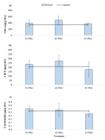
Ulva lactuca is a species that is widely distributed in coastal environments, having been recognized for its role as a primary producer, bioindicator, and source of bioactive compounds, as well as been known for its applications in the food, pharmaceutical and bioremediation industries. This study evaluated the effects of hypersaline stress on cultured specimens of U. lactuca exposed to three salinity levels (35, 45, and 55 PSU) for 48 hours under controlled laboratory conditions. The following parameters were analyzed: biomass, growth rate, water nutrients, effective quantum yield of photosystem II (YII), chlorophylls a and b, carotenoids, carbon and nitrogen contents, and the C:N ratio. Results indicated that high salinity (55 PSU) significantly reduced biomass, growth rate, and nutrient assimilation. Although photosynthetic performance (YII) and pigment levels did not vary significantly, the C:N ratio increased to 11:1 under this treatment, suggesting changes in the physiological status of the alga. Despite these alterations, U. lactuca remained physiologically active, indicating compensatory mechanisms in response to short-term hypersaline stress. These findings highlight the species’ resilience and its relevance as a model in studies of tolerance to environmental variation.
Key words
seaweed; Ecophysiological responses; Short-term; Increased salinity; Cosmopolitan
 Thumbnail
 Thumbnail
 Thumbnail
 Thumbnail


