
 Ecophysiological responses of Ulva lactuca to the effect of salt stress: a short-term experimental study
Abstract
Ulva lactuca is a species that is widely distributed in coastal environments, having been recognized for its role as a primary producer, bioindicator, and source of bioactive compounds, as well as been known for its applications in the food, pharmaceutical and bioremediation industries. This study evaluated the effects of hypersaline stress on cultured specimens of U. lactuca exposed to three salinity levels (35, 45, and 55 PSU) for 48 hours under controlled laboratory conditions. The following parameters were analyzed: biomass, growth rate, water nutrients, effective quantum yield of photosystem II (YII), chlorophylls a and b, carotenoids, carbon and nitrogen contents, and the C:N ratio. Results indicated that high salinity (55 PSU) significantly reduced biomass, growth rate, and nutrient assimilation. Although photosynthetic performance (YII) and pigment levels did not vary significantly, the C:N ratio increased to 11:1 under this treatment, suggesting changes in the physiological status of the alga. Despite these alterations, U. lactuca remained physiologically active, indicating compensatory mechanisms in response to short-term hypersaline stress. These findings highlight the species’ resilience and its relevance as a model in studies of tolerance to environmental variation.
Key words
seaweed; Ecophysiological responses; Short-term; Increased salinity; Cosmopolitan
INTRODUCTION
Salinity is one of the main environmental factors regulating the distribution and species richness in marine ecosystems. This physicochemical parameter directly influences the physiology, growth, and composition of benthic communities, particularly affecting sensitive organisms such as green algae (Xiao et al. 2016). Among them, the genus Ulva Linnaeus stands out due to its wide distribution and high environmental tolerance, occurring predominantly in tropical and subtropical oceans, and comprising more than 407 species (Rybak 2018, Guiry & Guiry 2025).
Environmental changes have significantly impacted marine ecosystems on a large scale (Röthig et al. 2023), having thus led to a growing interest in studies investigating the effects of high salinity levels on the biodiversity of marine and coastal environments (Cunha & Costa 2002, Choi et al. 2010, Costa et al. 2017). Conditions such as elevated temperatures, high evaporation rates, and limited renewal of ocean waters contribute to increased salinity, subjecting organisms to physiological, metabolic, and photosynthetic stress, with consequent ecological and functional impacts (Bell et al. 2019).
Species of the genus Ulva Linnaeus exhibit a wide geographic distribution and a high capacity to colonize environments with different levels of anthropogenic impact, characteristics that have resulted in their ample use as environmental bioindicators, as they respond rapidly to environmental variations through accelerated growth and high efficiency in nitrogen uptake (Barr et al. 2020). In addition, they are capable to assimilate trace elements and dissolved metals associated with environmental contamination (Bonanno et al. 2020), which also confers them an important role as biomonitors (Rainbow 1995).
The genus Ulva is widely recognized for its remarkable ability to tolerate broad variations in salinity levels and is therefore classified as euryhaline. This adaptive capacity allows some species to thrive in freshwater environments, such as Ulva flexuosa Wulfen, which is frequently observed forming extensive mats on the water surface (Rybak 2018). This physiological plasticity gives these species an important role as model organisms in investigations of tolerance and adaptation to extreme environmental conditions, especially in the context of climate change and increasing anthropogenic pressures in coastal zones (Simon et al. 2022). In addition to its broad distribution and environmental adaptability, this genus is notable for its high carbohydrate content and the presence of bioactive compounds with promising properties. These attributes have resulted in a growing interest in Ulva as a resource in research in the medical, industrial, and environmental fields (Ahmed et al. 2017, Rybak 2018, Binhweel et al. 2023, Putra et al. 2024). Among the species of this genus, Ulva lactuca Linnaeus stands out, having been widely studied not only for its morphological plasticity and bioactive potential but also for its application in bioremediation processes, having demonstrated efficiency in the absorption of nitrogen and phosphate compounds (Simon et al. 2022, Bews et al. 2021).
Bearing the above in mind, it is easy to perceive how the understanding of the responses of Ulva lactuca to salinity variation is essential for predicting the impacts of climate change and anthropogenic activities on coastal ecosystems, specially as regards the consequences for ecological interactions involving primary producers (Resende et al. 2025). The investigation into how U. lactuca responds to different salinity levels is therefore fundamental for understanding its adaptive mechanisms, environmental resilience, and potential use in bioindication and marine biotechnology practices.
This short-term experimental study aims to deepen the understanding of the ecophysiological responses of Ulva lactuca to salt stress by evaluating parameters such as biomass, growth rate, photosynthetic performance, chlorophyll a and b, carotenoid content, and carbon and nitrogen composition. The understanding of these mechanisms represents an important step toward advancing knowledge on macroalgal adaptation to environmental variation and supports the development of biotechnological applications in the face of ecological changes affecting coastal and estuarine areas.
MATERIALS AND METHODS
Collection and culture conditions of Ulva lactuca
The macroalga Ulva lactuca Linnaeus was manually collected at Praia Vermelha, located in the Urca district, Rio de Janeiro, Brazil (22°57’22.46”S, 43°09’51.04”W). After collection, the specimens were placed in seawater from the sampling site and transported to the Multiuser Unit for Environmental Analyses at the Federal University of Rio de Janeiro (UFRJ). In the laboratory, the specimens were identified to the species level following the taxonomic descriptions of Carneiro et al. (2023) (Fig. S1 – Supplementary Material) (Appendix I). Subsequently, the thalli were rinsed with distilled water and filtered seawater (0.7 µm porosity, GF/F filters, Whatman). After this process, the seawater was sterilized by ultraviolet (UV) irradiation for 20 minutes. The specimens were identified and deposited in the Herbarium Prof. Jorge Pedro Pereira Carauta (HUNI) at the Federal University of the State of Rio de Janeiro (UNIRIO) as Ulva lactuca Linnaeus under voucher number HUNI 8054 (Fig. S3).
After cleaning, a preliminary laboratory culture was established to obtain sufficient biomass for subsequent experiments. The macroalgae were maintained in transparent 10-L aquaria with continuous aeration under controlled conditions of salinity (36 PSU), temperature (20 °C), irradiance (60 µmol photons m⁻² s⁻¹), and a 12 h light / 12 h dark photoperiod. The mean concentrations of NH₄⁺, NO₃⁻, NO₂⁻, and PO₄³⁻ in the seawater used prior to supplementation were 3.59, 0.15, 0.88, and 0.61 µM L⁻¹, respectively. Nutrient concentrations in the seawater were determined following Baird et al. (2017) and Aminot & Chaussepied (1983). The von Stosch enrichment solution, prepared as described by Edwards (1970), was used as a nutritional supplement (VSES/2). The aquarium water was renewed every seven days to ensure medium stability and to maintain specimen health until the start of the experimental assays. These culture conditions are widely recognized for promoting high growth rates in different Ulva species (Kim et al. 2010, 2021, Oliveira et al. 2016, 2019).
Preparation of artificial seawater at different salinities
The artificial seawater used in the experiment was prepared in the laboratory using ultrapure water (Milli-Q®) and marine salt (OceanTech®). For each treatment, 1 L of ultrapure water was used, to which salt was added in specific amounts to reach the experimental salinities of 35, 45, and 55 PSU. Solution preparation followed a baseline proportion of 38.2 g of salt per liter of ultrapure water for the standard salinity of 35 PSU. Based on this proportion, the salt quantity was adjusted to obtain the other salinities, ensuring consistency across replicates. Each salinity level was prepared in triplicate, totaling three flasks per treatment. The solutions were homogenized, and final salinity was verified using a refractometer to ensure accuracy of the target values.
Subsequently, Von Stosch culture medium was added at 50% strength, at a ratio of 4 mL L⁻¹. After further homogenization, the Erlenmeyer flasks containing the prepared solutions were exposed to ultraviolet (UV) radiation in a chamber for 15 minutes to eliminate potential microorganisms present in the water. The culture chamber was maintained at a constant temperature of 24 °C throughout the experiment.
The definition of the control temperature and salinity was based on sea surface temperature and salinity records for the southeastern coast of Brazil, obtained from the Bio-ORACLE database (version 3). For this purpose, the environmental layer corresponding to the current mean of both variables was cropped in R software (version 4.3.2) by applying a buffer measuring 51 km in width and 1,500 km in length. Map preparation and editing were performed in QGIS Desktop 3.32.3 (Fig. S2). The treatments at 45 and 55 PSU were defined based on monitoring data reported by Silva et al. (2021) and Schuindt et al. (2018) for high-salinity beaches along the coast of Rio de Janeiro State.
Experimental assay
After acclimation, 5 g of U. lactuca thalli were placed into Erlenmeyer flasks containing 1 L of artificial seawater for each salinity treatment (35, 45, and 55 PSU). Each treatment was performed in triplicate. Samples of algal biomass and water were collected at the beginning (time zero) and at the end of the experiment (48 hours) and were properly stored for subsequent laboratory analyses.
Nutrient analyses
Water samples were collected in triplicate (60 mL from each treatment) at the beginning and end of the experiment. Subsequently, ammonium (NH₄⁺), nitrite (NO₂⁻), nitrate (NO₃⁻), and phosphate (PO₄³⁻) concentrations were analyzed following the methodologies of Baird et al. (2017) and Aminot & Chaussepied (1983).
Growth rate
Biomass variation of U. lactuca was assessed daily throughout the experiment based on the dry weight of the thalli. Prior to weighing, excess water was removed using a manual centrifuge and absorbent paper. The Specific Growth Rate (SGR) was calculated using the following formula:
where M₀ is the initial fresh weight at the start of the experiment, Mt is the fresh weight at time t, and t is the time interval in days (Yong et al. 2013).
Effective quantum yield of photosystem II (YII)
The effective quantum yield of photosystem II (YII) was measured daily using developed thalli of U. lactuca with a submersible pulse-amplitude modulated fluorometer (Diving-PAM, Walz, Effeltrich, Germany). The effective quantum yield of PSII was determined according to the equation:
where Fm´ is the maximum fluorescence under a saturating light pulse (actinic light pulse of 1644 μmol photons m⁻² s⁻¹; 0.8 s duration), and Ft Ft is the steady-state fluorescence of the light-acclimated macroalga (Genty et al. 1989, Kromkamp & Forster 2003). Considering potential physiological differences along the thallus (Han et al. 2010), fluorescence was measured in the central region of the thalli.
Chlorophyll a, b and carotenoid analyses
For the analysis of photosynthetic pigments, samples of approximately (~0.1 g) of U. lactuca biomass were used and subsequently lyophilized for 72 hours (Liobras – model L108). After drying, the material was ground and subjected to extraction with 5 mL of 90% acetone. All procedures were conducted in the dark to prevent pigment degradation. After 24 hours of extraction, the samples were centrifuged in a refrigerated centrifuge at 3.000 rpm and 4 °C for 15 minutes. The supernatant was then analyzed in a spectrophotometer (Hach Company – model DR60000), with absorbance readings at wavelengths of 480, 630, 647, 664, and 750 nm. Pigment concentrations were calculated following the equations and wavelengths proposed by Strickland & Parsons (1972) and Jeffrey & Humphrey (1975), modified by Aminot & Chaussepied (1983), and expressed in μg g⁻¹ dry weight:
Carbon:Nitrogen ratio analysis
For the determination of the C:N ratio, U. lactuca samples were initially oven-dried at 50 °C for 96 hours. The samples were then manually ground using a porcelain mortar and pestle. A 0.3 mg portion of the biomass was placed in tin capsules and analyzed using a CHNS Elemental Analyzer (Flash 2000 – Elemental Analyzer Organic with Delta V Advantage – Thermo Scientific), previously calibrated with acetanilide (reference standard).
Statistical analyses
Data normality was assessed using the Shapiro-Wilk test, and homogeneity of variances was verified using Levene’s test. When these assumptions were met, the data were subjected to one-way or two-way analysis of variance (ANOVA), depending on the variable analyzed. For two-factor models, both main effects and interactions were evaluated. When statistically significant differences were detected (p < 0.05), Tukey’s multiple comparison test was applied to identify distinct groups. All analyses were performed using R Studio software (version 2024.12.1, Build 563).
RESULTS
Nutrient analyses
The results for ammonium (NH₄⁺) indicated a marked reduction in final concentrations across all treatments: 35 PSU (96.99%), 45 PSU (98.52%), and even under high salinity conditions at 55 PSU (84.87%) (Table I). In contrast, nitrite (NO₂⁻) concentrations remained stable across the three treatments, showing minimal variation. Nitrate (NO₃⁻) exhibited a sharp decrease at all salinity levels 35 PSU (99.05%), 45 PSU (99.70%), and 55 PSU (99.30%) demonstrating a high uptake rate by the alga. Similarly, phosphate (PO₄³⁻) also showed a pronounced reduction in final concentrations, indicating strong absorption in all treatments: 35 PSU (94.01%), 45 PSU (93.78%), and 55 PSU (88.76%).
Mean concentrations (± standard deviation) of ammonium (NH₄⁺), nitrite (NO₂⁻), nitrate (NO₃⁻), and phosphate (PO₄³⁻) at the beginning and end of the experiment with Ulva lactuca under different salinity levels (35, 45, and 55 PSU). Values are expressed in µM.
Biomass and growth rate
Throughout the experiment, U. lactuca showed an increase in biomass (Fig. 1), with the highest growth rates observed in the 35 PSU (2.62 ± 0.07% day⁻¹) and 45 PSU (2.10 ± 0.17% day⁻¹) treatments. However, under the highest salinity (55 PSU), a reduction was observed, as indicated by a negative growth rate (−1.70 ± 0.51% day⁻¹). Analysis of variance revealed that salinity had a significant effect on growth (ANOVA: F = 174.3; P < 0.001) and consequently on biomass (ANOVA: F = 10.578; P < 0.001). No significant interaction with experimental time was detected, indicating that variations were mainly attributed to the isolated effect of salinity. These results demonstrate that U. lactuca is sensitive to elevated salinities, exhibiting reduced growth and biomass under such conditions.

Variation in Ulva lactuca biomass over three days under different salinity levels and specific growth rates (SGR) under varying salinities. Columns are means and error bars represent standard deviation based on three replicates (n = 3). Uppercase letters: comparison among salinities; Lowercase letters: temporal comparison at 35 PSU; Lowercase italics: temporal comparison at 45 PSU; Lowercase bold: temporal comparison at 55 PSU; Uppercase bold italics: growth rate comparison among salinities.
Effective quantum yield of photosystem II (YII)
During the experiment, the effective quantum yield (YII) did not show statistically significant differences among treatments (p > 0.05), indicating that salinity and exposure time did not significantly affect the photosynthetic efficiency of the alga (Fig. 2). Stability was observed in the photosynthetic parameters under the imposed conditions, suggesting no significant variations in response to short-term salt stress.

Variation in effective quantum yield (YII) over three experimental days under different salinity levels. Columns are means and error bars represent standard deviation based on three replicates (n = 3).
Tissue analysis of U. lactuca
Chlorophyll a, b, and carotenoid levels did not show significant differences (p > 0.05) between the initial and final time points, although subtle variations were observed. Chlorophyll a increased in the 35, 45, and 55 PSU treatments, with rises of 14.5%, 43.9%, and 9.6%, respectively (Fig. 3a). Chlorophyll b also increased at 35 and 45 PSU, with values of 13.4% and 31.5%, respectively; however, a 15.1% decrease was observed at 55 PSU (Fig. 3b). Carotenoid levels remained relatively stable, with slight variations over the course of the experiment. Increases of 11.1% and 7.4% were recorded at 35 and 45 PSU, respectively, while a 14.8% decrease was observed at 55 PSU (Fig. 3c).
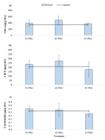
Mean concentrations of a) chlorophyll a, b) chlorophyll b, and c) total carotenoids (µg g⁻¹ dry weight) in Ulva lactuca under different salinity levels (35, 45, and 55 PSU). Columns and rows represent mean values, and error bars indicate standard deviation (n = 3). Solid columns correspond to final values (Final), and dashed lines indicate initial values (Initial).
The individual concentrations of carbon and nitrogen in U. lactuca tissues did not show significant differences among treatments (p > 0.05). However, a 2.7% increase in carbon concentration was observed only in the 35 PSU treatment. In contrast, reductions of 8% and 6.5% were recorded in the 45 and 55 PSU treatments, respectively (Fig. 4a). The C:N ratio, however, was significantly affected by time (ANOVA: F = 11.055; p = 0.006), a decrease having been shown across all treatments.

Mean contents of a) total carbon (C%), b) total nitrogen (N%), and c) C:N ratio in Ulva lactuca tissues at the end of the experiment under different salinities (35, 45, and 55 PSU). Columns represent final values (End), dashed lines indicate initial values (Initial) and error bars represent standard deviation based on three replicates (n = 3).
DISCUSSION
The results of this study highlight the importance of investigating the rapid ecophysiological responses of Ulva lactuca to salt stress, thus contributing toward filling knowledge gaps regarding its adaptability to coastal environments subject to climate change and anthropogenic pressures. This short-term experimental approach provides valuable evidence on physiological mechanisms that support the tolerance of the species, strengthening its role as environmental bioindicator. The understanding of such responses also allows for the prevention of impacts on superior trophic levels and on essential ecosystemic processes. A deeper understanding of this topic broadens the basis for the sustainable management of coastal and estuarine areas and is fundamental for applied research focusing on the mitigation of adverse effects on marine ecosystems.
The results of this study have shown that Ulva lactuca exhibits a high capacity for absorbing dissolved nutrients, particularly ammonium (NH₄⁺), nitrate (NO₃⁻), and phosphate (PO₄³⁻), with sharp declines observed across all treatments (Table I). This reduction suggests that the alga retains assimilation potential even under high salinity conditions. The uptake of nitrate and ammonium may influence growth (Ale et al. 2010). In eutrophic environments, the absorption of these compounds can contribute to increased algal biomass (Bews et al. 2021). These results are consistent with studies conducted on Ulva ohnoi Hiraoka & S. Shimada in commercial cultivation systems, where ammonium was rapidly consumed after fertilization, having been completely removed from the water within a few hours (Revilla-Lovano et al. 2021).
However, increased salinity resulted in a reduction in the biomass and growth rate of U. lactuca, indicating the occurrence of physiological stress under hypersaline conditions. This biomass decline may directly affect the nutritional value of the alga, impacting the concentration of proteins, polysaccharides, lipids, and minerals (Simon et al. 2022). On the other hand, the effective quantum yield of U. lactuca remained stable across the different salinity treatments, corroborating the results of Bews et al. (2021), who, when testing various salinities and nutrient concentrations over a 10-day experiment, observed a similar pattern in Ulva fasciata Delile, currently considered a synonym of U. lactuca (Guiry & Guiry 2025). Conversely, in the study by Xia et al. (2004), the effects of salt stress on photosystem II of Ulva lactuca were observed in a short-term (12-hour) experiment, in which higher salinities led to a significant reduction in photosystem II efficiency.
The absence of significant variations in quantum yield, combined with the growth observed, suggests that the alga may have prioritized energy allocation toward biomass production, maintaining photosynthetic activity at stable levels as a possible compeNInsatory mechanism under salt stress (Ji et al. 2016). Therefore, under hypertonic conditions, algal cells may adjust their internal osmotic pressure through the active pumping of ions across cellular membranes, serving as a compensation mechanism against salt stress (Lartigue et al. 2003). In this context, the stability of chlorophyll a, chlorophyll b, and carotenoid concentrations across the different salinity treatments supports the hypothesis that Ulva lactuca preserved its photosynthetic capacity even under adverse conditions. This outcome reinforces the species’ physiological resilience, previously attributed to its euryhaline nature, and may indicate compensatory mechanisms that allow for maintenance of photosynthetic efficiency in hypersaline environments (Eismann et al. 2020). Considering that salinity fluctuations directly affect Ulva growth, previous studies have also corroborated these effects.
Complementarily, the C:N ratio remained stable (10:1) in the 35 and 45 PSU treatments, however, in the 55 PSU treatment, the ratio increased to 11:1, indicating greater carbon assimilation by the algal cells. This variation may reflect changes in the organism’s physiological state (Lee & Kang 2020). Moreover, high salinity can affect nutrient uptake (Choi et al. 2010), as observed in the lower ammonium assimilation compared to the other treatments. Even so, Ulva lactuca demonstrated the ability to absorb nutrients under hypersaline conditions, remaining physiologically healthy and capable of adapting or compensating its metabolism whether through the production of chlorophyll a (Fig. 3a), the assimilation of nitrogen (Fig. 4b), which is essential for photosynthesis as it is involved in the synthesis of pigments, enzymes, and proteins (Resende et al. 2025), or even through biomass increase (Fig. 1), since the genus is known for its high nitrogen uptake rate to sustain growth (Figueira et al. 2023). Another factor to consider is the short duration of the experiment (48 hours), which may have limited the physiological response of the alga. The intensity of the disturbance, combined with the brief exposure period, likely did not allow for adequate acclimation to the new environment. Longer-term cultivation studies, such as that of Choi et al. (2010), showed that after two months of cultivation, the effects of salinity on Ulva australis Areschoug were less detrimental, suggesting that the duration of the experiment directly influences the genus’s adaptive capacity.
This physiological flexibility observed in U. lactuca under hypersaline conditions highlights the genus’s remarkable capacity for acclimation to salinity fluctuations. Similarly, However, Gao et al. (2019) reported that low salinity (10 PSU) altered the life cycle of Ulva linza Linnaeus, directly affecting its maturation and preventing the species from reaching the adult stage. These results suggest that U. linza proliferates only through asexual fragmentation, rather than sporulation, under low-salinity conditions. Similarly, Samanta et al. (2019) observed that U. australis Areschoug, acclimated to 30 PSU and exposed to 5 and 55 PSU for 28 days, exhibited reduced growth and lower accumulation of photosynthetic pigments under low salinity, whereas higher salinity favored these parameters. Taken together, these findings demonstrate that the tolerance of Ulva species is modulated by their capacity to acclimate to salinity gradients, reflecting different strategies of physiological adjustment in response to stress.
This short-term experimental assay demonstrated the ability of U. lactuca to exhibit ecophysiological responses to salt stress. The species sensitivity to high salinity levels negatively affected parameters related to growth and biomass. On the other hand, the observed stability in the efficiency of the photosynthetic apparatus (YII) suggests a possible short-term physiological tolerance to salt stress, indicating the species’ capacity to adapt and develop mechanisms that support its persistence and survival in environments subject to high environmental variability. This study serves as a starting point for future investigations. The data presented here reflect acute responses to salt stress, as the experiment was conducted over a short period. Therefore, long-term studies are essential to assess potential metabolic changes in the selected species.
Appendix I. Taxonomic identification.
The identification of Ulva lactuca was carried out based on morphological characteristics, according to the descriptions of Carneiro et al. (2023). The thallus exhibits a laminar morphology, with smooth or slightly denticulate margins. When present, the teeth are microscopic, short, and arranged in one or multiple rows. Thallus thickness ranges from 80 to 237.5 µm in the basal portions and from 40 to 82.5 µm in the meso-apical regions. The cells have cup-shaped parietal chloroplasts containing (1–) 3–4(–6) pyrenoids per cell. The identification and illustration (Figure S1) were performed using a stereomicroscope (OLYMPUS SZ51) and a light microscope (OLYMPUS U-B1-30). After the morphological analysis, the material was herborized, carefully arranged on cardboard, pressed, and dried in an oven at 60 °C. The voucher specimen was then deposited in the Herbarium Prof. Jorge Pedro Pereira Carauta (HUNI), located at the Institute of Biosciences of the Federal University of the State of Rio de Janeiro (UNIRIO), Praia Vermelha Campus, Urca district, Rio de Janeiro.
Acknowledgements
We thank the Coordenação de Aperfeiçoamento de Pessoal de Nível Superior (CAPES) for the scholarships granted. We also thank the team of the Multiuser Environmental Analysis Unit Laboratory at the Universidade Federal do Rio de Janeiro (UFRJ) for conducting the nutrient analyses, as well as the Laboratory of Biology and Taxonomy of Algae at the Universidade Federal do Estado do Rio de Janeiro (UNIRIO) for the identification of the macroalga. Finally, we acknowledge the Universidade Federal do Estado do Rio de Janeiro (UNIRIO) and the Universidade Federal do Rio de Janeiro (UFRJ) for their institutional support of this research.
References
-
AHMED OM, SOLIMAN HA, MAHMOUD B & GHERYANY RR. 2017. Ulva lactuca hydroethanolic extract suppresses experimental arthritis via its anti-inflammatory and antioxidant activities. Beni Suef Univ J Basic Appl Sci 6: 394-408. https://doi.org/10.1016/j.bjbas.2017.04.013.
» https://doi.org/10.1016/j.bjbas.2017.04.013 -
ALE MT, MIKKELSEN JD & MEYER AS. 2010. Differential growth response of Ulva lactuca to ammonium and nitrate assimilation. J Appl Phycol 23: 345-351. https://doi.org/10.1007/s10811-010-9546-2.
» https://doi.org/10.1007/s10811-010-9546-2 - AMINOT A & CHAUSSEPIED M. 1983. Manuel des analyses chimiques en milieu marin. Brest: Centre National Pour L’Explotation des Océans, 395 p.
- BAIRD R, RICE E & EATON A. 2017. Standard methods for the examination of water and wastewaters. Washington DC: Water Environ Fed 1: 71-90.
-
BARR N, ZELDIS J, SCHEUER K & SCHIEL D. 2020. Macroalgal bioindicators of eutrophication recovery in a tidal lagoon following wastewater diversion and seismic disturbance. Estuar Coast 43: 240-255. https://doi.org/10.1007/s12237-019-00654-7.
» https://doi.org/10.1007/s12237-019-00654-7 -
BELL SY, FRASER MW, STATTON J & KENDRICK GA. 2019. Salinity stress drives herbivory rates and selective grazing in subtidal seagrass communities. PLoS ONE 14: e0214308. https://doi.org/10.1371/journal.pone.0214308.
» https://doi.org/10.1371/journal.pone.0214308 -
BEWS E, BOOHER L, POLIZZI T, LONG C, KIM JH & EDWARDS MS. 2021. Effects of salinity and nutrients on metabolism and growth of Ulva lactuca: implications for bioremediation of coastal watersheds. Mar Pollut Bull 166: 112199. https://doi.org/10.1016/j.marpolbul.2021.112199.
» https://doi.org/10.1016/j.marpolbul.2021.112199 - BINHWEEL F, PYAR H, SENUSI W, SHAAH MA, HOSSAIN MS & AHMAD MI. 2023. Utilization of marine Ulva lactuca seaweed and freshwater Azolla filiculoides macroalgae feedstocks toward biodiesel production: kinetics, thermodynamics, and optimization studies. Renew Energy 205: 717-730.
-
BONANNO G, VENEZIANO V & PICCIONE V. 2020. The alga Ulva lactuca (Ulvaceae, Chlorophyta) as a bioindicator of trace element contamination along the coast of Sicily, Italy. Sci Total Environ 699: 134329. https://doi.org/10.1016/j.scitotenv.2019.134329.
» https://doi.org/10.1016/j.scitotenv.2019.134329 -
CARNEIRO VA, MARTINS NT, SILVA SLA, BARROS-BARRETO MBB, PEREIRA SB & CASSANO V. 2023. Revealing the diversity of the genus Ulva (Ulvales, Chlorophyta) in southeastern Brazil, with a description of Ulva kanagawae sp nov. Phycologia 62: 407-420. https://doi.org/10.1080/00318884.2023.2243433.
» https://doi.org/10.1080/00318884.2023.2243433 -
CHOI TS, KANG EJ, KIM JH & KIM KY. 2010. Effect of salinity on growth and nutrient uptake of Ulva pertusa (Chlorophyta) from an eelgrass bed. Algae 25: 17-26. https://doi.org/10.4490/algae.2010.25.1.017.
» https://doi.org/10.4490/algae.2010.25.1.017 -
COSTA MSSP, LIMA S, LIMA JA, COSTA LS & ROCHA HAO. 2017. Evaluation of seawater salinity effect on proximate composition of the green seaweed Caulerpa cupressoides var flabellata. Rev Verde Agroecol Desenvolv Sustent 12: 556-561. https://doi.org/10.18378/rvads.v12i3.4424.
» https://doi.org/10.18378/rvads.v12i3.4424 - CUNHA SRD & COSTA CS. 2002. Gradientes de salinidade e frequência de alagamento como determinantes da distribuição e biomassa de macroalgas associadas a troncos de manguezais na Baía de Babitonga, SC. Braz J Aquat Sci Technol 6: 93-102.
- EDWARDS P. 1970. Illustrated guide of seaweeds and sea grasses in vicinity of Porto Arkansas. In: Tracy D & Villareal A (Eds), Contrib Mar Sci. Texas: Mar Sci Inst 15: 1-228.
- EISMANN AI, REIS RP, SILVA AF & CAVALCANTI DN. 2020. Ulva spp. carotenoids: responses to environmental conditions. Algal Res 48: 101916.
-
FIGUEIRA TA, COSTA DS, POLLERY RCG, YONESHIGUE-VALENTIN Y & ENRICH-PRAST A & OLIVEIRA VP. 2023. Modelling nitrogen and phosphorus recovery potential by Ulva fasciata Braz J Aquat Sci Technol 27: 47. http://dx.doi.org/10.14210/bjast.v27n1.19100.
» https://doi.org/10.14210/bjast.v27n1.19100 -
GAO G, QU L, XU T, BURGESS JG, LI X & XU J. 2019. Future CO2-induced ocean acidification enhances resilience of a green tide alga to low-salinity stress. ICES J Mar Sci 76: 2437-2445. https://doi.org/10.1093/icesjms/fsz135.
» https://doi.org/10.1093/icesjms/fsz135 - GENTY B, BRIANTAIS JM & BAKER NR. 1989. The relationship between the quantum yield of photosynthetic electron transport and quenching of chlorophyll fluorescence. Biochim Biophys Acta Gen Subj 990: 87-92.
-
GUIRY MD & GUIRY GM. 2025. AlgaeBase. World Wide Web electronic publication. Natl Univ Irel Galway. https://www.algaebase.org
» https://www.algaebase.org - HAN W, XU XW, LI L, LEI JQ & LI SY. 2010. Chlorophyll a fluorescence responses of Haloxylon ammodendron seedlings subjected to progressive saline stress in the Tarim desert highway ecological shelterbelt. Photosynthetica 48: 635-640.
-
JEFFREY SW & HUMPHREY GF. 1975. New spectrophotometric equations for determining chlorophylls a, b, c₁ and c₂ in higher plants, algae and natural phytoplankton. Biochem Physiol Pflanzen 167: 191-194. https://doi.org/10.1016/S0015-3796(17)30778-3.
» https://doi.org/10.1016/S0015-3796(17)30778-3 - JI Y, XU Z, ZOU D & GAO K. 2016. Ecophysiological responses of marine macroalgae to climate change factors. J Appl Phycol 28: 2953-2967.
- KIM JH, KANG EJ, PARK MG, LEE BG & KIM KY. 2011. Effects of temperature and irradiance on photosynthesis and growth of a green-tide-forming species (Ulva linza) in the Yellow Sea. J Appl Phycol 23: 421-432.
-
KIM JH, ZHAO ZX & KIM YS. 2021. Variation in germling growth in the green tide–forming alga Ulva intestinalis (Chlorophyta) in response to gradients in salinity, temperature, light, and nutrients. J Appl Phycol 33: 3951-3962. https://doi.org/10.1007/s10811-021-02563-4.
» https://doi.org/10.1007/s10811-021-02563-4 -
KROMKAMP JC & FORSTER RM. 2003. The use of variable fluorescence measurements in aquatic ecosystems: differences between multiple and single turnover measuring protocols and suggested terminology. Eur J Phycol 38: 103-112. https://doi.org/10.1080/0967026031000094094.
» https://doi.org/10.1080/0967026031000094094 -
LARTIGUE J, NEILL A, HAYDEN BL & CEBRIAN J. 2003. The impact of salinity fluctuations on net oxygen production and inorganic nitrogen uptake by Ulva lactuca (Chlorophyceae). Aquat Bot 75: 339-350. https://doi.org/10.1016/S0304-3770(02)00193-6.
» https://doi.org/10.1016/S0304-3770(02)00193-6 -
LEE JE & KANG JW. 2020. The interactive effects of elevated temperature and nutrient concentrations on the physiological responses of Ulva linza Linnaeus (Ulvales, Chlorophyta). J Appl Phycol 4: 2459-2467. http://dx.doi.org/10.1007/s10811-019-02031-0.
» https://doi.org/10.1007/s10811-019-02031-0 -
OLIVEIRA VP, IGNACIO BL, MARTINS NT & ENRICH-PRAST A. 2019. The Ulva spp. conundrum: what does the ecophysiology of southern Atlantic specimens tell us? J Mar Biol 2019: 1-6. https://doi.org/10.1155/2019/5653464.
» https://doi.org/10.1155/2019/5653464 -
OLIVEIRA VP, MARTINS NT, GUEDES PS, POLLERY RCG & ENRICH-PRAST A. 2016. Bioremediation of nitrogenous compounds from oilfield wastewater by Ulva lactuca (Chlorophyta). Bioremediat J 20: 1-9. https://doi.org/10.1080/10889868.2015.1114463.
» https://doi.org/10.1080/10889868.2015.1114463 -
PUTRA NR, FAJRIAH S, QOMARIYAH L, DEWI AS, RIZKIYAH DN, IRIANTO I ET AL. 2024. Exploring the potential of Ulva lactuca: emerging extraction methods, bioactive compounds, and health applications – a perspective review. S Afr J Chem Eng 47: 233-245. https://doi.org/10.1016/j.sajce.2023.11.017.
» https://doi.org/10.1016/j.sajce.2023.11.017 -
RAINBOW PS. 1995. Biomonitoring of heavy metal availability in the marine environment. Mar Pollut Bull 31: 183-192. https://doi.org/10.1016/0025-326X(95)00116-5.
» https://doi.org/10.1016/0025-326X(95)00116-5 -
RESENDE JFJ, BEZERRA JNS, BORBUREMA HDS & OLIVEIRA VP. 2025. Future environmental scenarios favor the performance of Ulva lactuca implications for the intensification of green tides. Mar Environ Res 10: 107262.https://doi.org/10.1016/j.marenvres.2025.107262.
» https://doi.org/10.1016/j.marenvres.2025.107262 - REVILLA-LOVANO S ET AL. 2021. Physiological responses and productivity of the seaweed Ulva ohnoi (Chlorophyta) under changing cultivation conditions in pilot large land-based ponds. Algal Res 56: 102316.
-
RÖTHIG T, TREVATHAN-TACKETT SM, VOOLSTRA CR, ROSS C, CHAFFRON S, DURACK PJ, WARMUTH LM & SWEET M. 2023. Human induced salinity changes impact marine organisms and ecosystems. Glob Change Biol 29: 4731-4749. https://doi.org/10.1111/gcb.16859.
» https://doi.org/10.1111/gcb.16859 - RYBAK AS. 2018. Species of Ulva (Ulvophyceae, Chlorophyta) as indicators of salinity. Ecol Indic 85: 253-261.
-
SAMANTA P, SHIN S, JANG S & KIM JK. 2019. Comparative assessment of salinity tolerance based on physiological and biochemical performances in Ulva australis and Pyropia yezoensis Algal Res 42: 101590. https://doi.org/10.1016/j.algal.2019.101590.
» https://doi.org/10.1016/j.algal.2019.101590 -
SCHUINDT RMDEA, DACO RDAS & OLIVEIRA MMDE. 2018. Impacts on the Araruama Lagoon and environmental perception of the community of Praia do Siqueira Cabo Frio RJ. Rev Bras Educ Ambient 13: 299-321. https://doi.org/10.34024/revbea.2018.v13.2475.
» https://doi.org/10.34024/revbea.2018.v13.2475 - SILVA JPDEO, FERREIRA G & MATOS JBDE. 2021. Monitoring of the physicochemical aspects of water quality at Praia Lagunar das Palmeiras. Rev Bras Meio Ambient 9(1): 113-130.
-
SIMON C, MCHALE M & SULPICE R. 2022. Applications of Ulva biomass and strategies to improve its yield and composition: a perspective for Ulva aquaculture. Biology 11: 1593. https://doi.org/10.3390/biology11111593.
» https://doi.org/10.3390/biology11111593 - STRICKLAND JDH & PARSONS TR. 1972. A practical handbook of seawater analysis. 2nd ed., Ottawa: Fish Res Board Can.
- XIA JR, LI YJ & ZOU DH. 2004. Effects of salinity stress on PSII in Ulva lactuca as probed by chlorophyll fluorescence measurements. Aquat Bot 80: 129-137.
-
XIAO J, ZHANG X, GAO C, JIANG M, LI R & WANG Z ET AL. 2016. Effect of temperature, salinity and irradiance on growth and photosynthesis of Ulva prolifera Acta Oceanol Sin 35: 114-121. https://doi.org/10.1007/s13131-016-0891-0.
» https://doi.org/10.1007/s13131-016-0891-0 -
YONG YS, YONG WTL & ANTON A. 2013. Analysis of formulae for determination of seaweed growth rate. J Appl Phycol 25: 1831-1834.https://doi.org/10.1007/s10811-013-0022-7.
» https://doi.org/10.1007/s10811-013-0022-7
Edited by
-
Handling editor
Luiz Drude Lacerda
All data used in this study are available within the manuscript, either in tables or in the main text, and may be requested from the corresponding author via e-mail.


