 Comparative analysis of the frequencies of α-thalassemia-associated mutations in microcytic patients and healthy volunteers in Rio de Janeiro, Brazil
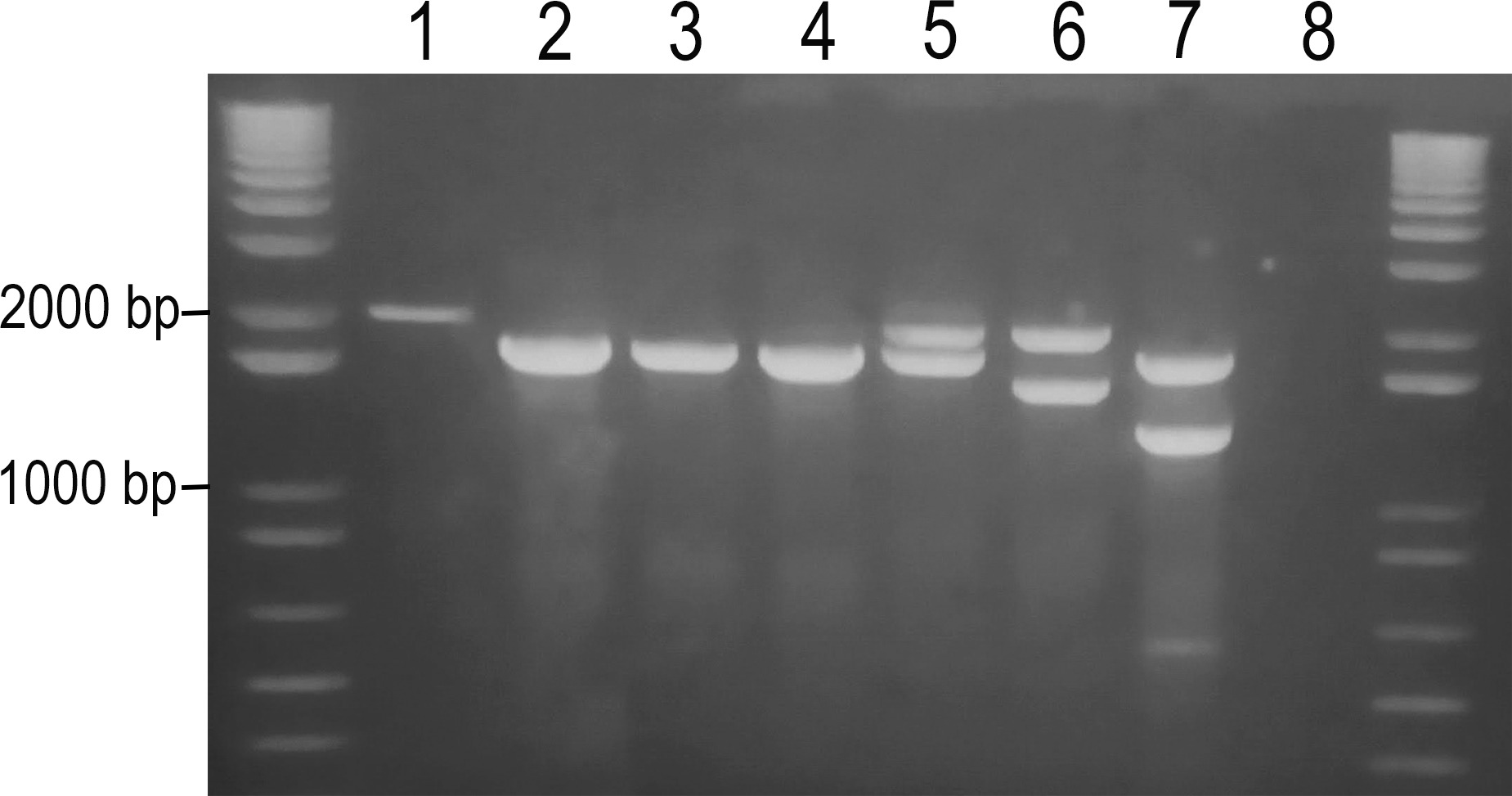
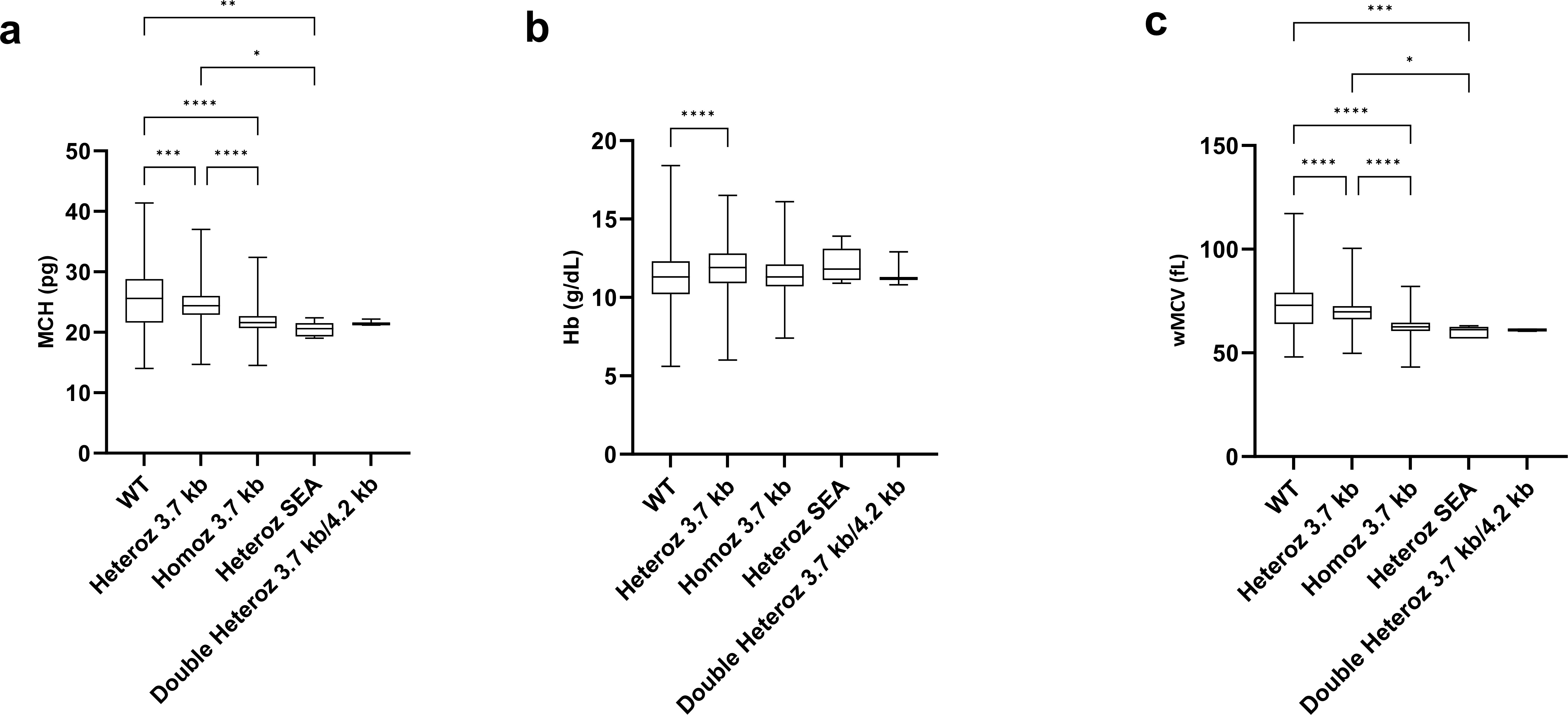
Thalassemia, an autosomal recessive genetic disorder affecting production of normal globin chains, presents varying prevalence worldwide. The frequency of global α-thalassemia remains understudied, especially in Brazil, due to its genetic diversity and large population size. This study compared α-thalassemia frequency between microcytic patients and healthy volunteers in Rio de Janeiro, stratified by self-reported skin color. DNA extracted from whole blood/EDTA underwent genotyping for α-thalassemia using multiplex PCR, targeting α3.7 kb, α4.2 kb, αSEA, αMED, αFIL, and α20.5 kb deletions. Frequency of α-thalassemia among patients was 63.6%, distributed as follows: 62.1% for α3.7 kb deletion, 0.7% for α4.2 kb deletion, and 0.8% for αSEA deletion. In healthy volunteers, the prevalence was 3.2%, distributed as 0.53% in self-declared white, 1.07% in brown, and 1.60% in black individuals, all presenting heterozygous genotype for α3.7 kb deletion. Frequency in healthy population was significantly lower than that observed in microcytosis population (p < 0.001). Determining α-thalassemia frequency in highly admixed population may enhance genetic counseling, given that asymptomatic carriers can produce offspring with combinations of Hb variants, potentially leading to severe clinical phenotypes.
Key words
admixed population; anemia; hemoglobinopathy; microcytosis; thalassemia
 Thumbnail
 Thumbnail