 COVID-19 in Southern Brazil: Public Health Management and Regional Impacts
Abstract
The political party base in Brazil plays a fundamental role in pre serving the Democratic Rule of Law. This study empirically analyzes the relationship between the population infected by the coronavirus, weighted by the deaths in the respective municipalities of the sample. The sample consists of the 15 municipalities with the smallest and largest populations from the states of Santa Catarina (SC), Paraná (PR), and Rio Grande do Sul (RS), totaling 45 municipalities per sample and 90 southern Brazilian cities analyzed. Initially, a Normal Distribution is used for the population of the municipalities, the infected population, and deaths caused by SARS-CoV-2 to assess the political management capacity based on party affiliation (Right, Center, or Left) during the pandemic. Subsequently, a Multiple Regression Analysis is conducted to determine whether the predictor variables maintain their significance when considering the territorial, economic, and healthcare structure of municipalities with small and large populations. The results indicate favorable effects for the party base, particularly in larger municipalities. This suggests that the political leaders of these municipalities (mayors) may have influenced the population, particularly in cases where anti-isolation policies were adopted, potentially leading to collapses in the public healthcare system.
Key words
COVID-19; Statistical Modeling; Empirical Data Analysis; Pandemic Management; Predictor Variables
INTRODUCTION
The COVID-19 pandemic emerged in Wuhan, China, in December 2019 (Lai et al. 2020). This disease quickly spread globally due to its causative agent, SARS-CoV-2, which has a high transmission capacity. On March 11, the World Health Organization (WHO 2021) declared it a Public Health Emergency of International Concern due to numerous outbreaks in various regions worldwide, the differ ent symptomatic patterns seen in confirmed cases, and its potential for indirect contamination (where a contaminated person touches an object, and a non-contaminated person contracts the virus by touching the same object within 48 hours) (Rothe et al. 2020). Studies have shown that the rapid global spread of COVID-19 can be attributed to various factors, including international travel and population density (Chowell et al. 2020). The virus has also demonstrated the ability to mutate, leading to the emergence of new variants with different transmission and virulence characteristics (Korber et al. 2020). Public health responses have varied significantly between countries, affecting the overall effectiveness of controlling the pandemic (Hale et al. 2021).
Although COVID-19 is a disease with a mixed clinical spectrum, with 80% of the infected population being asymptomatic, the remaining 20% present various complexities in their clinical picture, requiring hospital care (Baud et al. 2020). Among those hospitalized, 5% may need more intensive or high-complexity treatments (such as ventilatory support due to respiratory complications), making public policies essential, specifically in Brazilian municipalities (Challen et al. 2021). The effectiveness of these public policies is crucial in managing the healthcare system’s capacity and ensuring that adequate resources are available to treat severe cases. Additionally, disparities in healthcare infrastructure and access can significantly impact patient outcomes, highlighting the need for tailored public health strategies (Davies et al. 2021). Later, the emergence of new variants of SARS-CoV-2 has further complicated treatment protocols and increased the strain on healthcare systems worldwide (Johnson et al. 2021).
Furthermore, the global spread of COVID-19 has been exacerbated by inconsistent public health policies and varying degrees of adherence to preventive measures, contributing to the differential impact observed across regions (Hale et al. 2021, Wu & McGoogan 2020). The role of misinformation and public perception has also been identified as a critical factor in the success or failure of public health initiatives (Cinelli et al. 2020). Effective communication strategies are essential to combat misinformation and ensure public compliance with health guidelines (Tangcharoensathien et al. 2020).
Due to the high transmissibility of the disease, the increase in the number of cases, and global hospitalization and death rates, strategizing to control the spread of infection was crucial, as was supporting those with more severe COVID-19 cases. Effective strategies included implementing lockdowns, promoting social distancing, and ensuring the availability of medical resources (Anderson et al. 2020, Andersen et al. 2021, Bajoulvand et al. 2023). Additionally, during this period, Brazil (and, in fact, most countries) experienced significant ideological political-party divergences, which may have influenced the population’s willingness to cooperate with public and sanitary policy requirements (Xavier et al. 2022, Jungkunz 2021, Miller et al. 2022). These political divisions exacerbated the challenges of controlling the spread and lethality (number of COVID-19 deaths divided by the number of COVID-19 infected) of the coronavirus, making the situation more unstable and costly (Borges & Rennó 2021, Sampaio et al. 2022, Painter & Qiu 2021).
Especially in Brazil, political and socioeconomic factors have played a substantial role in shaping the public health response to the pandemic, affecting the overall effectiveness of implemented measures (Xavier et al. 2022, Pereira & Medeiros 2020). Over the past seven years, Brazil has experienced a populist political dynamic, where self-interest has become increasingly evident in social interactions and media discourse. The rise of anti-expert and anti-scientific sentiments has weakened democratic cooperation, allowing elites to consolidate power by positioning themselves as leaders while manipulating social, economic, and legal structures to maintain their influence. In fact, the elite strategically employs an anti-elite narrative as a form of political marketing, fostering division among citizens and ensuring the preservation of their interests. When these elites hold national political office, their rhetoric has a profound impact on followers who perceive their discourse as a means to combat corruption and drive political change (Ajneman et al. 2023).
The dissemination of anti-scientific rhetoric, amplified by media and social net works, has led to significant economic and social repercussions. This is evident in opposition to policies such as climate change mitigation, social assistance programs, vaccination campaigns, and affirmative action in public universities, all of which are systematically attacked to sustain elite dominance. The COVID 19 pandemic further highlighted Brazil’s fragmented response, with varying regional approaches to containment measures. Despite recommendations from the World Health Organization (WHO), former President Jair Bolsonaro disregarded key public health protocols, aligning his policies with other populist leaders like Donald Trump. Both leaders displayed similar patterns of resistance to scientific advice, from climate policies to measures aimed at preventing the spread of COVID-19 (Muggah & Lago 2020, Duarte & Bennetti 2022).
Furthermore, there is a need for sustainable public health policies to prepare for future pandemics (Auerbach et al. 2022, Alsaeed et al. 2023, Gardanova et al. 2023), since higher trust in national and local public health institutions, rather than trust in national political leaders, is a consistent predictor of public health compliance across cultures and geographical regions, emphasizing the need for transparency and distinguishing between different components of government trust to effectively secure public health adherence (Badman et al. 2022).
A previous study on the impact of healthcare coverage on COVID-19 mortality found that the highest fatality rates during the first wave occurred among individuals aged 60 and older, with a higher prevalence among men. However, older adults with higher education levels and income had better survival outcomes. It highlights the role of primary healthcare in guiding patients to hospitals and providing essential support to symptomatic or confirmed COVID-19 cases, particularly in smaller municipalities where severe cases were transferred to better equipped cities (Marques 2021). Also, research from various countries, including Qatar, Fiji, Belgium, Australia, and New Zealand (Al-Kuwari et al. 2021, Goodyear-Smith et al. 2021), has underscored the importance of primary care in pandemic response. Similarly, another study emphasized its fundamental role in patient treatment (Souza et al. 2020), while Casselman-Hontalas et al. (2024) analyzed the negative impact of lack of trust in healthcare coverage in the U.S. during the crisis.
In this sense, addressing the COVID-19 pandemic from international categories or national and regional dimensions, particularly in large metropolises, has become more effective when distributed at the municipal level. This approach allows for the identification of failures and consideration of the unique characteristics and information of cities with similar characteristics. Tailoring responses to the specific needs and conditions of municipalities can lead to more efficient use of resources and better health outcomes (Aleta et al. 2020). Additionally, localized strategies enable more precise tracking of infection rates and targeted interventions (Glaeser et al. 2021, Peng & Liu 2024, Painter & Qiu 2024, Ribeiro et al. 2020). Municipal level data can reveal disparities in healthcare access and infrastructure, guiding more equitable health policy decisions (Collins & Hayes 2010, Oliveira et al. 2024, da Silva et al. 2023, Delpino et al. 2024). Moreover, the integration of community-based initiatives has been shown to enhance public compliance with health measures and improve overall pandemic management (Rämgård et al. 2023, Sahoo et al. 2022).
It is clear that understanding the connections between public health, public investment in health, and political views is crucial for effectively managing health crises like the COVID-19 pandemic (Rabin & Dutra 2021). Political ideologies can influence public health measures and the allocation of resources, significantly affecting health outcomes. Therefore, it is imperative to create public policies based on scientific evidence rather than political beliefs. Long-term strategies must be developed and implemented to ensure sustainable public health responses, independent of political views. Additionally, understanding how political perspectives impact the use of public resources is essential for optimizing health interventions and ensuring equitable access to healthcare in all cities, regardless of their size. In this direction, this work aims to analyze the infected population of the 15 municipalities with the smallest populations in Rio Grande do Sul (RS), Santa Catarina (SC), and Paraná (PR) and the 15 municipalities with the largest populations in the respective states (RS, SC, and PR), considering their political party base (based on the mayor): centrist, right-wing, or left-wing.
MATERIALS AND METHODS
The variables employed in the model, including health coverage, the number of SUS healthcare establishments per municipality, employed individuals, GDP per capita, population density, deaths from endocrine, nutritional, and metabolic diseases, and deaths from circulatory system diseases, provide a comprehensive framework for understanding the connections between public health, public investment in health, and political views (García 2021). Health coverage and the number of SUS healthcare establishments are direct indicators of public health infrastructure and access to healthcare services. Variables such as employed individuals and GDP per capita reflect the economic status of a municipality, which influences public investment in health. Population density can impact the spread of diseases and the demand for healthcare services. Additionally, analyzing mortality rates from specific diseases offers insights into the overall health outcomes of the population. The inclusion of party affiliation helps to explore how political views and governance styles affect the allocation of public resources and health policy decisions. By examining these variables together, the model can reveal critical interactions and dependencies, providing a deeper understanding of how political, economic, and health factors intertwine to shape public health outcomes (Chauvin 2024). Certainly, COVID-19 infection data in Brazil presents limitations, including underreporting and uneven testing availability (Baqui et al. 2020, Hallal et al. 2020, Orellana et al. 2021). To mitigate these issues, we relied on official sources (DATASUS, Transparency Portal, IBGE, TSE 2024) and analyzed 90 municipalities grouped by population size to ensure comparability. All data were obtained from publicly accessible repositories, including the Portal da Transparência (2024), the Brazilian Institute of Geography and Statistics (IBGE) (IBGE-PR 2024, IBGE-SC 2024, IBGE-RS 2024), Atlas Brasil (2024), DATASUS (DATASUS 2024a, b), and the Superior Electoral Court (TSE 2024).
To account for data variability, we applied a cumulative normal distribution to assess infection rate dispersion and the Kolmogorov-Smirnov test to verify data normality. Mortality rates were incorporated as a robustness factor to adjust for potential underreporting of mild or asymptomatic cases. These methodological approaches enhance the reliability of our findings despite inherent data limitations.
The impact of the relationship between the population infected by the coronavirus and deaths, considering party affiliation, was assessed by assigning a value of 1 to municipalities with centrist mayors and 0 to municipalities with left- or right-wing mayors. This approach was used to minimize forecasting errors in the data. In municipalities with small populations, 64.45% have centrist mayors, while 35.55% have left- or right-wing mayors. In municipalities with larger populations, this trend is even more pronounced, with 88.89% having centrist mayors and 11.11% having left- or right-wing mayors. It is also important to note that far-right parties were categorized as right-wing, and far-left parties were categorized as left-wing. Similarly, center-right and center-left parties were classified as centrist.
Multiple linear regression and Pearson correlation are appropriate analytical methods for this study due to their ability to elucidate the relationships between multiple independent variables and the dependent variable (García 2021, Singh-Manoux et al. 2023). Multiple linear regression will enable the quantification of the effects of variables such as health coverage, GDP per capita, population density, and others on health outcomes, providing a comprehensive model of the interactions among these factors. Pearson correlation will be employed to measure the strength and direction of linear relationships between pairs of variables, such as party affiliation and public health indicators. These statistical techniques together offer robust tools to explore and interpret the complex interdependencies within the data, thereby supporting the development of evidence-based public health policies.
Briefly stated, multiple linear regression is a statistical technique used to model the relationship between one dependent variable and two or more independent variables. The goal is to understand how the independent variables collectively influence the dependent variable and to predict the dependent variable based on the values of the independent variables. The general form of the multiple linear regression equation is:
where:
-
Y is the dependent variable we are trying to predict or explain.
-
β 0 is the intercept, representing the expected value of Y when all independent variables (X 1, X 2, … , X n) are zero.
-
β 1, β 2, ... ,β n are the coefficients for the independent variables, indicating the change in the dependent variable Y for a one-unit change in the respective independent variable, holding all other variables.
-
X 1, X 2, ... , X n are the independent variables.
-
ϵ is the error term, accounting for the variation in Y that cannot be explained by the independent variables.
In this study, it is important to understand that including a larger number of variables does not necessarily improve the model. Therefore, in the multiple regression model, calculating the variance is of significant importance as it describes the degree of dependence or relationship between the variables in the model. The method used here is Pearson correlation, as it is the most commonly employed method. The Pearson correlation coefficient is defined using covariance and variance, and is given by:
here, cov(X,Y) is the covariance between the variables X and Y , var(X) is the variance of the variable X, and var(Y) is the variance of the variable Y.
In multiple regression analysis, the slope (β i) represents the change in the dependent variable (Y) for a one-unit change in the independent variable (X i), holding all other variables constant. It can be calculated using the Pearson correlation coefficient (rXY i ) between X i and Y, multiplied by the ratio of the standard deviations of Y and X i :
and the intercept (α) represents the expected value of Y when all independent variables (X i) are zero. It is calculated by subtracting the product of each slope coefficient and the mean of its corresponding independent variable from the mean of Y:
RESULTS AND DISCUSSION
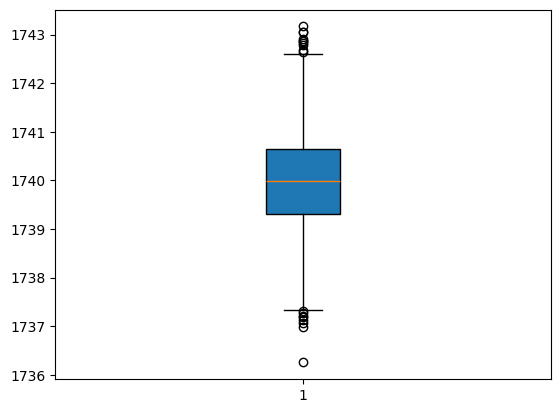
Initially, the total population of the municipalities in the sample representing small populations, based on their area, was summed. The same procedure was then applied to the sample representing municipalities with large populations. This approach aims to analyze the disparity between the distributions of both samples to justify that population density may be a significant variable, as the transmission of COVID-19 requires greater distancing measures to remain under control (Bhadra et al. 2020, Hamidi et al. 2020). Figure 1 illustrates the sample distribution for small populations.

Based on data regarding small populations, it is observed that, out of a total of 2,500 points analyzed, 50% of the population distribution is concentrated around the median for this dataset. Additionally, the interquartile ranges of the data are moderately satisfactory when considering the box width, meaning that most of this sample is well-contained, avoiding excessive data dispersion.
However, the first quartile indicates that some small municipalities surpass the population proportion of others. For instance, some of the smallest municipalities in the state of Paraná have a total population larger than that of small municipalities in Rio Grande do Sul. Conversely, the third quartile reveals the existence of municipalities with a total population even lower than the sample mean, with a higher concentration compared to the first quartile.
Notably, the outliers (extreme values), which appear as points outside the upper line and below the boxplot (box chart), indicate the need for further investigation. This was expected due to the particular characteristics of each municipality, considering the state to which it belongs, its territorial dimension, development capacity, and structure, in addition to non-normal distributions between municipalities, even within the same region of the country.
Figure 2 illustrates the mean cumulative distribution for municipalities with larger populations, showing greater similarity among them compared to smaller municipalities. Here, the boxplot diagram demonstrates that municipalities with large populations have a higher concentration of their means in similar ranges, whereas small municipalities exhibit greater variability depending on the state. However, quartiles one and three display similar characteristics among large municipalities, a pattern not observed for smaller ones. This means that 25% of the sample at both extremes of the distribution requires further analysis, highlighting the importance of considering factors beyond population size.

Since the population of interest consists of individuals infected with COVID-19, the cumulative normal distribution used for both municipal samples provides a better representation of variability among infected individuals (Sy et al. 2021). It also describes the proportion of total infected and non-infected populations. Figure 3 details the particularities of small and large populations in terms of cumulative normal distribution. Here, it is evident that the infected population in small municipalities ranges between ≥ 0 ≤ 600 as shown on the X-axis. The distribution exhibits greater variability due to differences in population sizes across states in southern Brazil, yet the cumulative distributions are highest in the range of 0.01 to 0.02%.

The analyzed samples for infected populations indicate that larger municipalities may have more efficient management in describing the influence of political affiliations concerning infected populations, given the municipal administrations in office compared to smaller municipalities. Additionally, Figure 3 highlights that COVID-19 transmissibility behaves similarly among municipalities with comparable population proportions; however, this pattern is more evident in larger municipalities.
Moreover, population protection measures against COVID-19 were more effective in Brazilian municipalities with a higher proportion of elderly residents (Oliveira et al. 2020). Studies also show that COVID-19 mortality rates are strongly influenced by population age structure, reinforcing the need to account for these demographic variations (Pinho & Carvalho 2021, Azevedo et al. 2021). However, Brazil’s Unified Health System (SUS) implements public health strategies tailored to each state’s demographic profile (Croda et al. 2020), helping mitigate age-related biases when analyzing infection rates. Additionally, the Ministry of Health (MS) utilized digital platforms – such as https://covid.saude.gov.br/– to improve transparency on virus transmissibility and combat misinformation, particularly targeting older populations and children, the latter often acting as transmission vectors within households.
It is also necessary to consider that the primary economic activities of these municipalities, as well as the number and structure of hospitals available during the pandemic, may have influenced the transmissibility or mortality rates. Furthermore, municipalities with centrist political affiliations in this study, did not necessarily follow Bolsonaro’s anti-expert and anti-scientific rhetoric to undermine democratic cooperation in public health. This is particularly relevant for the analyzed region, where centrist political affiliations had more than 60% acceptance compared to left and right-wing affiliations, both in small and large municipalities.
Empirical research supports mayoral party affiliation as a valid proxy for political orientation, influencing public health strategies, resource allocation, and crisis management (Razafindrakoto et al. 2024). During the COVID-19 pandemic, municipalities aligned with the federal government showed differences in social distancing, vaccine hesitancy, and mortality rates, reinforcing the role of local political leadership in shaping health outcomes (Matos et al. 2025). Additionally, studies highlight how political ideology shaped vaccine perceptions and health-related behaviors, impacting municipal governance decisions (Bastos Lima et al. 2025). While party affiliation may not capture all leadership nuances, it remains a widely used proxy for policy preferences. Future research could refine this approach by incorporating policy-specific actions or governance assessments.
Next, Figure 4 presents a comparative normal distribution among the three samples for small municipalities in Paraná, Santa Catarina, and Rio Grande do Sul, showing that infected populations were better controlled in Paraná, followed by Rio Grande do Sul and then Santa Catarina. This suggests that, in Santa Catarina, political affiliations had a greater impact on resistance to non-pharmaceutical interventions (NPIs) and restrictive measures against COVID 19, aligning more with the federal government’s stance. This trend was not observed in Paraná and Rio Grande do Sul, where the variability of infected populations was lower regardless of political affiliations. The analysis of 4 also consistently identifies Santa Catarina as the state with the highest mean and standard deviation, followed by Rio Grande do Sul and Paraná. The relationship between the latter two states is closer concerning small population management, infected population ratios per municipality, and the political affiliation of the mayor in office (Right, Center, or Left).

Infected population in small municipalities: normal distributions of three samples, each corresponding to a State in Southern Brazil.
We show in Figure 5 the comparative normal distribution for large municipal population samples in Paraná, Santa Catarina, and Rio Grande do Sul. Interestingly, the distributions of infected populations are similar to those of small population samples. Additionally, the cumulative frequencies for each state also exhibited similar estimated factors. In other words, Figures 4 and 5 confirm that, among the states comprising southern Brazil, anti-scientific and anti-expert ideologies regarding NPIs—contrary to the interests of President Jair Bolsonaro—contributed to shaping behavior and arguments against isolation measures, with more pronounced effects in Santa Catarina for both large and small municipalities. In contrast, such anti-scientific populist revolts were less evident in Paraná and Rio Grande do Sul. Small municipalities demonstrated more heterogeneous properties than large municipalities, as seen in Figures 4 and 5. This suggests that many infected individuals may not have sought specialized care in emergency units (UPAs), thereby spreading the virus and creating a complex dynamic between public policy efforts to control COVID-19 and citizens adhering to anti-scientific populist revolts.

Infected population in large municipalities: normal distributions of three samples, each corresponding to a State in Southern Brazil.
In this context, political affiliation may be a determining factor in explaining the number of infected individuals, considering that municipal representatives aligned themselves with the anti-scientific and anti-expert stance of President Jair Bolsonaro. At the municipal level, the significant impacts of a populist political administration opposing internationally recommended health guidelines can be observed.
Figure 6 evaluates the political affiliation of each municipality in the sample, focusing on large municipalities in the states of Paraná, Santa Catarina, and Rio Grande do Sul. This analysis considers whether, in these municipalities, President Jair Bolsonaro received greater electoral support in the second-round vote count. The results show that Bolsonaro had electoral advantages in all sampled large municipalities, except for the city of Rio Grande, RS, where he was defeated.
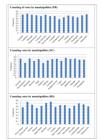
Despite political support for Bolsonaro, the majority of municipalities maintained their public health policies in alignment with the World Health Organization (WHO), suggesting that local populations favored non-pharmaceutical interventions (NPIs) endorsed by municipal leaders. Additionally, the results indicate that anti-scientific and anti-expert rhetoric had a stronger influence on supporters with limited critical discernment, particularly those opposing nationwide vaccination campaigns aimed at expanding immunization coverage and reducing COVID-19 fatalities.
The centrist political base may have played a crucial role in shaping these outcomes, as most of the large municipalities sampled had affiliations ranging from Center-Right to Center-Left. Consequently, this trend may have countered the destabilization of Brazil’s political landscape, as municipal leaders likely possessed ideological expertise and foundational knowledge on the risks of a revolutionary populist government. The anti-elite rhetoric, driven by anti-scientific sentiments, ultimately led to socio-economic setbacks and weakened Brazil’s international standing as an economic partner.
Subsequently, the same procedure was applied to small-population municipalities in the southern region of Brazil, including the states of Paraná, Santa Catarina, and Rio Grande do Sul. Figure 7 highlights greater data variability among small municipalities across these states. The heterogeneous characteristics of this sample were confirmed through vote count analysis. Notably, President Jair Bolsonaro was defeated in at least one of the 45 small municipalities sampled and in up to five cases, as shown in Figure 7.

Additionally, infected populations in municipalities with different political affiliations exhibited similar behaviors in terms of political management of the COVID-19 pandemic, with large municipalities demonstrating less variability in mortality control compared to small municipalities. Despite broad support for Bolsonaro during the pandemic, large municipalities displayed a more homogeneous approach to pandemic management, even when the administration pursued an anti-isolationist populist strategy.
Due to inconsistencies in the results obtained for both large and small municipal population samples, multiple regression analysis is necessary, considering the in dependent variables outlined in Table I. Furthermore, this statistical modeling accounts not only for infected populations but also for the number of deaths, effectively describing lethality (the total number of COVID-19 deaths divided by the total infected population) across sampled large and small municipalities in southern Brazil.
Model Fit Measures - Sample B (smaller municipalities). Data extracted from DATASUS (2024a, b).
This analysis clearly demonstrates that, before the vaccination period, COVID 19 was a devastating disease, exacerbated by political disputes and the reluctance of the then-president to implement recommended public health measures aimed at safeguarding lives and reducing mortality rates.
For the multiple regression analysis, deaths were used as weighting factors in relation to the political affiliations of the Right, Center, and Left, both for small population and large-population municipalities. This approach allows for an assessment of the explanatory significance of the independent variables related to deaths, considering political management through the partisan affiliation of the mayors of the municipalities included in the samples.
From the sample of small municipalities, it is observed that the independent variables effectively explain the number of COVID-19 infections when weighted by mortality. Table I shows that the most significant predictors of infection/mortality rates are health coverage, deaths due to endocrine, nutritional, and metabolic diseases, GDP per capita, population density, and confirmed cases per 100,000 inhabitants. The predictor variable “male death rate” was not highly relevant in explaining the dependent variable (infected population) concerning the political affiliation of municipal mayors during the pandemic, with a significance of only 3.7%. Similarly, political affiliation accounted for only 33.9% of the variance in mortality for small municipalities in southern Brazil. Therefore, the Kolmogorov-Smirnov test may be useful in evaluating the consistency and heterogeneity of these municipalities within this sample type.
The Kolmogorov-Smirnov (KS) test assesses whether the data sample follows a specific distribution, considering the infected population and COVID-19 lethality. This test compares the Empirical Cumulative Distribution Function (EDF) of the sample with the theoretical Cumulative Distribution Function (CDF). The null hypothesis assumes that the sample follows the specified distribution. The test was applied to a sample of 45 small municipalities (15 from each southern Brazilian state) to determine whether the infected population, influenced by the mayors’ political affiliations, significantly correlates with COVID-19 mortality. The hypotheses tested are:
-
H 0: The sample of small municipalities, based on the mayors’ political affiliations during the pandemic, does not explain COVID-19 mortality in relation to support for anti-isolation ideologies and other NPIs advocated by President Jair Bolsonaro’s populist movement.
-
HA: The sample of small municipalities, based on the mayors’ political affiliations during the pandemic, explains COVID-19 mortality in rela tion to support for anti-isolation ideologies and other NPIs advocated by President Jair Bolsonaro’s populist movement.
The test results yielded a test statistic (D) of 0.915048 and a p-value of 1.300115e−4. Since the p-value is below the significance level of 0.05, the null hypothesis was rejected. This indicates strong evidence that infected populations may have been influenced by anti-isolation movements during the COVID-19 pandemic. Figure 8 illustrates that the EDF (blue line) represents the empirical distribution of the sample data, while the theoretical CDF (orange line) corresponds to a normal distribution with a sample mean of 1740 and a standard deviation of 1259. The proximity of the two lines indicates that the small municipality sample aligns well with the theoretical distribution. This finding is reinforced by the KS test, where the test statistic (D = 0.915048) represents the maximum distance between the two curves, quantified as 1 − D = 0.084952.

Table II presents the descriptive statistics for large municipalities, where independent variables exhibit greater explanatory power concerning the dependent variable—infected population—based on the political affiliation of mayors during the COVID-19 pandemic. This analysis considers the revolutionary populist ideologies of Jair Bolsonaro’s government, characterized by anti-scientific and anti-expert sentiments regarding public health recommendations and NPIs. In this multiple regression analysis, the most significant variables in explaining the model are male mortality, GDP per capita, deaths due to endocrine, nutritional, and metabolic diseases, and health coverage, all with a significance level of 0.1%. The predictor variable political affiliation, with a significance level of 1.9%, also showed relevance in explaining the infected population, suggesting that the influence of populist anti-isolation revolutions had an impact on political management in large municipalities.
Model Fit Measures - Sample A (larger municipalities). Data extracted from DATASUS (2024a, b).
Mayors in cities with higher developmental potential, economic strength, and better healthcare coverage should possess the political expertise to differentiate between efficient municipal management and the negotiation and support of anti-scientific political interests promoted by the government during the pandemic. The hypotheses for the KS test were:
- Nam commodo
-
H 0: The sample of large municipalities, based on the mayors’ political affiliations during the pandemic, does not explain COVID-19 mortality in relation to support for anti-isolation ideologies and other NPIs advocated by President Jair Bolsonaro’s populist movement.
-
H A: The sample of large municipalities, based on the mayors’ political affiliations during the pandemic, explains COVID-19 mortality in rela tion to support for anti-isolation ideologies and other NPIs advocated by President Jair Bolsonaro’s populist movement.
The results yielded a test statistic (D) of 0.835952 and a p-value of 1.333807e−4. As the p-value is below the significance threshold of 0.05, the null hypothesis was rejected, indicating that infected populations in large municipalities exhibited stronger control over transmission and mortality due to anti-isolation movements during the pandemic.
Figure 9 illustrates that the EDF (blue line) represents the empirical distribution of the sample data, while the theoretical CDF (orange line) corresponds to a normal distribution with a sample mean of 55,276 and a standard deviation of 48,635. The close alignment between these two lines suggests that the large municipality sample fits well within the theoretical distribution. This reinforces the importance of large cities in shaping national public health policies, such as vaccination campaigns and preventive health measures during epidemics. Although Bolsonaro received a majority of votes in these municipalities, the political management of these cities did not entirely align with anti-scientific governance or populist anti-isolation ideologies. However, particular municipalities—especially in Santa Catarina and certain areas of Paraná and Rio Grande do Sul—showed significant deviations, highlighting regional variations in policy adherence.

Future studies will consider the impact of political coalitions, municipal health care infrastructure, and city size in explaining COVID-19 infection rates. Additionally, stratification by age groups (children, youth, adults, and the elderly) will be incorporated once electoral and demographic data from the TSE 2024 become available. Comparative analysis between southern and northeastern Brazil may further clarify the influence of political affiliation on pandemic management, given the distinct partisan preferences in these regions.
Furthermore, an examination of public health policies by gender may shed light on why male individuals exhibited higher COVID-19 mortality rates than females. The economic structure of municipalities, including commerce, transportation, and agricultural activities, will also be analyzed as potential determinants of regional health outcomes. Understanding lifestyle factors—such as alcohol consumption, smoking, diet, and physical activity—may provide insights into the spread and severity of the virus.
Ultimately, this research aims to highlight how municipal public health governance, guided by mayors’ political affiliations, can influence community well-being. Effective public health communication through social media, radio, and television may play a crucial role in counteracting misinformation and reinforcing a science-backed approach to health crises.
CONCLUSIONS
The COVID-19 pandemic was a severe global health crisis, not only due to its high transmissibility within municipalities but also because of its lethality and the resulting collapse of public healthcare systems. In Brazil, municipal health units faced substantial challenges, exacerbated by then-President Jair Bolsonaro. Under the pretense of protecting the population, he promoted anti-scientific rhetoric and discouraged social isolation measures. His stance, widely disseminated through social media, radio, and television, encouraged risky behaviors, leading to an increase in infections and overwhelming the public health care system.
This approach aligned with a modern populist and anti-elite movement, which disrupted the implementation of non-pharmaceutical interventions. Consequently, the federal government had to increase investments in hospital infrastructure and healthcare personnel to accommodate the surge in COVID-19 cases. However, the pandemic exposed structural inequalities among municipalities: smaller cities struggled with economic and logistical crises, while larger ones demonstrated better resilience. The disparities also affected vaccination campaign adherence, complicating efforts to stabilize healthcare coverage for both infected and non-infected populations.
Ultimately, municipal public health policies played a crucial role in the pandemic response. Despite some mayors’ political alignment with Bolsonaro, governance efficiency was particularly evident in municipalities where center-right or center-left parties prevailed. This suggests that, regardless of the president’s rhetoric, mayors with strong political and administrative expertise successfully implemented effective strategies to mitigate the pandemic’s impact, ensuring the continuity of healthcare services and reducing the overall damage caused by the crisis.
It is important to note that these data should not be interpreted as absolute truth but rather as a statistically valid representation of the pandemic’s dynamics in the analyzed municipalities. Future studies should complement this approach with primary data on underreporting, testing strategies, and excess mortality modeling (Marques 2021, da Silva et al. 2024).
Acknowledgements
Without public funding, this research would have been impossible. J.R.B. thanks the Conselho Nacional de Desenvolvimento Científico e Tecnológico (CNPq), under grant numbers 405479/2023-9, 441728/2023-5, and 304958/2022-0, as well as from the Fundação de Amparo à Pesquisa do Estado do Rio Grande do Sul (FAPERGS), grant number 21/2551-0002024-5. ASM and acknowledge support from the Coordenação de Aperfeiçoamento de Pessoal de Nível Superior (CAPES), Process 88881.710252/2022-01 and Financing Code 0001m, respectively.
References
- AL-KUWARI MG, ABDULMALIK MA, AL-NUAIMI AA, ABDULMAJEED J, AL-ROMAIHI HE, SEMAAN S &, KANDY M. 2021. Epidemiology Characteristics of COVID-19 Infection Amongst Primary Health Care Workers in Qatar: March-October 2020. Front Public Health 20: 679254.
- AJZENMAN N, CAVALCANTI T & MATA D. 2023. More than Words: Leaders’ Speech and Risky Behavior during a Pandemic. Am Econ J Econ Policy 15: 351-371.
- ALETA A ET AL. 2020. Modelling the impact of testing, contact tracing and household quarantine on second waves of COVID 19. Nature Human Behav 4(9): 964-971.
- ALSAEED D, AL-OZAIRI A, ALSARRAF H, ALBARRAK F & AL OZAIRI E. 2023. Are we ready for the next pandemic? Lessons learned from healthcare professionals’ perspectives during the COVID-19 pan demic. Front Public Health 11: 1048283.
- ANDERSEN LM, HARDEN SR, SUGG MM, RUNKLE JD & LUNDQUIST TE. 2021. Analyzing the spatial determinants of local Covid-19 transmission in the United States. Sci Total Environ 754: 142396.
- ANDERSON RM, HEESTERBEEK H, KLINKENBERG D & HOLLINGSWORTH TD. 2020. How will country-based mitigation measures influence the course of the COVID-19 epidemic? The Lancet 395(10228): 931-934.
-
ATLAS BRASIL. 2024. Governo Federal. Available at: http://www.atlasbrasil.org.br
» http://www.atlasbrasil.org.br -
AUERBACH JD, FORSYTH AD, DAVEY C & HARGREAVES JR. 2023. Living with COVID-19 and preparing for future pandemics: revisiting lessons from the HIV pandemic. The Lancet HIV 10(1): e62-e68. https://doi.org/10.1016/s2352-3018(22)00301-0.
» https://doi.org/10.1016/s2352-3018(22)00301-0 -
AZEVEDO E SILVA G, JARDIM B & LOTUFO P. 2021. Mortalidade por covid-19 no Brasil ajustada por idade: mais alta na região norte. SciELO Preprints: https://doi.org/10.1590/SciELOPreprints.1874
» https://doi.org/10.1590/SciELOPreprints.1874 - BADMAN RP, WANG AX, SKRODZKI M, CHO HC, AGUILAR-LLEYDA D, SHIONO N, YOO SBM, CHIANG Y-S & AKAISHI R. 2022. Trust in Institutions, Not in Political Leaders, Determines Compliance in COVID-19 Prevention Measures within Societies across the Globe. Behav Sci 12: 170.
- BAJOULVAND R, RAMEZANLOU M, DER AKHSHANI N, GOHARINEZHAD S, GHOLAMI M, TORANJIZADEH F & SANIEE N. 2023. Strengthening primary health care for effective response to pandemics: a systematic review. East Mediterr Health J 29: 530-539.
- BAQUI PN, BICA I, MARRA V, ERCOLE A & VAN DER SCHAAR M. 2020 Ethnic and regional variations in hospital mortality from COVID 19 in Brazil: a cross-sectional observational study. The Lancet Global Health 8: e1018-e1026.
- BASTOS LIMA MG, HATZIKIDI K & DA COSTA K. 2025. Gore Capitalism and Necropolitics in Brazil’s Malgovernance of the COVID-19 Pandemic. Latin American Perspectives 52: 89-101.
- BAUD D, QI X, NIELSEN-SAINES K, MUSSO D, POMAR L & FAVRE G. 2020. Real estimates of mortality following COVID-19 infection. Lancet Infect Dis 20(7): 773.
- BHADRA A, MUKHERJEE A & SARKAR K. 2020. Impact of population density on Covid-19 infected and mortality rate in India. Model Earth Syst Environ 7: 623-629.
- BORGES A & RENNÓ L. 2021. Brazilian Response to Covid-19: Polarization and Conflict. In: Fernandez M & Machado C (Eds), COVID-19’s political challenges in Latin America. Latin American Soci ties. Springer, Cham.
- CASSELMAN-HONTALAS A, ADAMS-SANTOS D & WATKINS-HAYES C. 2024. Discourses of Distrust: How Lack of Trust in the U.S. Health-Care System Shaped COVID-19 Vaccine Hesitancy. RSF Rus Sage Found J Soc Sci 10(4): 154-172.
- CHALLEN R, BROOKS-POLLOCK E, READ JM, DYSON L, TSANEVA-ATANASOVA K & DANON L. 2021. Risk of mortality in patients infected with SARS-CoV-2 variant of concern 202012/1: matched cohort study. British Med J 372: n579.
- CHAUVIN JP. 2024 Why did COVID-19 affect some cities more than others? Insights from Brazil before vaccination. Regional Science Policy & Practice 16: 100138.
- CHOWELL G, FUNG IC, TEOHARIDE G & SIMONSEN L. 2020. Global dynamics of the COVID-19 epidemic: An empirical study. J Epidemiol Commun Health 74(9): 867-872.
- CINELLI M ET AL. 2020. The COVID-19 social media infodemic. Sci Rep 10(1): 16598.
- CRODA J, DE OLIVEIRA WK, FRUTUOSO RL, MANDETTA LH, BAIA-DA-SILVA DC, BRITO-SOUSA JD, MONTEIRO WM & LACERDA MVG. 2020. COVID-19 in Brazil: advantages of a socialized unified health system and preparation to contain cases. Rev Soc Bras Med Trop 53: e20200167.
- COLLINS PA & HAYES MV. 2010. The role of urban municipal governments in reducing health inequities: A meta-narrative mapping analysis. Int J Equity Health 9: 13.
- DA SILVA GDM, DE SOUZA AA, DE CASTRO MSM, MIRANDA WD, JARDIM LL & DE SOUSA RP. 2023. Influence of socioeconomic inequality on the distribution of COVID-19 hospitalizations and deaths in Brazilian municipalities, 2020: an ecological study. Epidemiol Serv Saúde 32: 10.
- DA SILVA AAP, REIS RS, IACHECEN F, DUARTE F, BAENA CP & HINO AAF. 2024. First year of COVID-19 in Brazil: Factors associated with the spread of COVID-19 in small and large cities. PLoS ONE 19: e0298826.
-
DATASUS. 2024a. Ministério da Saúde. Painel Coronavírus. Available in: https://covid.saude.gov.br/
» https://covid.saude.gov.br/ -
DATASUS. 2024b. Ministério da Saúde. Covid19 por Município - Brasil.IO (DATASUS). Available in: https://brasil.io/covid19/RS/
» https://brasil.io/covid19/RS/ - DAVIES NG ET AL. 2021. Estimated transmissibility and impact of SARS-CoV-2 lineage B.1.1.7 in England. Science 372(6538): eabg3055.
- DELPINO FM, VIEIRA YP, DURO SM, NUNES BP & SAES MP. 2024. Multimorbidade e uso de serviços de saúde em população diagnosticada com covid-19 em município da região Sul do Brasil, 2020-2021: estudo transversal. Epidemiol Serv Saúde 33: 23.
- DUARTE EG & BENETTI PR. 2022. Pela Ciência, contra os cientistas? Negacionismo e as disputas em torno das políticas de saúde durante a pandemia. Sociologias 24: 98-138.
-
FAGUNDES MLB, DO AMARAL JÚNIOR OL, MENEGAZZO GR, HUGO FN & GIORDANI JMA. 2022. Measuring health inequalities: implications of choosing different socioeconomic indicators. Cadernos de Saúde Pública 38(1). https://doi.org/10.1590/0102-311X00035521
» https://doi.org/10.1590/0102-311X00035521 - GARCIA CN. 2021. Socioeconomic, demographic and healthcare determinants of the COVID-19 pandemic: an ecological study of Spain. BMC Public Health 21: 606.
- GARDANOVA Z, BELAIA O, ZUEVSKAYA S, TURKADZE K & STRIELKOWSKI W. 2023. Lessons for Medical and Health Education Learned from the COVID-19 Pandemic. Healthcare 11: 1921.
- GLAESER EL, GORBACK C & REDDING SJ. 2021. How much does COVID-19 increase with mobility? Evidence from New York City. J Econ Geogr 21(4): 526-555.
- GOODYEAR-SMITH F, KINDER K, EDEN AR, STRYDOM S, BAZEMORE A, PHILLIPS R, TAYLOR M, GEORGE J & MANNIE C. 2021. Primary care perspectives on pandemic politics. Global Public Health 16(8–9): 1304-1319.
- HALE T, PETHERICK A, PHILLIPS T & WEBSTER S. 2021. Variation in government responses to COVID-19. Nature Human Behav 5(4): 367-377.
- HALLAL PC ET AL. 2020. SARS-CoV-2 antibody prevalence in Brazil: results from two successive nationwide serological household surveys. The Lancet Global Health 8(11): e1390-e1398.
- HAMIDI S, SABOURI S & EWING R. 2020. Does Density Aggravate the COVID-19 Pandemic? J Amer Plan Assoc 86: 495-509.
-
IBGE-PR. 2024. Instituto Brasileiro de Geografia e Estatística. Cidades@ Paraná. Panorama (IBGE) PR (MUNICÍPIOS). Available in: https://cidades.ibge.gov.br/brasil/pr/panorama
» https://cidades.ibge.gov.br/brasil/pr/panorama -
IBGE-RS. 2024. Brasileiro de Geografia e Estatística. Cidades@ Rio Grande do Sul. Panorama (IBGE) RS (MUNICÍPIOS) Available in: https://cidades.ibge.gov.br/brasil/rs/panorama
» https://cidades.ibge.gov.br/brasil/rs/panorama -
IBGE-SC. 2024. Brasileiro de Geografia e Estatística. Cidades@ Santa Catarina. Panorama (IBGE) SC (MUNICÍPIOS). Available in https://cidades.ibge.gov.br/brasil/sc/panorama
» https://cidades.ibge.gov.br/brasil/sc/panorama - JOHNSON BA ET AL. 2021. Furin cleavage site is key to SARS CoV-2 pathogenesis. Nature 591(7849): 482-488.
- JUNGKUNZ S. 2021. Political Polarization During the COVID 19 Pandemic. Front Polit Sci 3: 622512.
- KORBER B, FISCHER WM, GNATTO J & YOUNG C. 2020. Tracking changes in SARS-CoV-2 Spike: evidence that D614G increases infectivity of the COVID-19 virus. Cell 182(4): 812-827.
- LAI CC, SHIH TP, KO WC, TANG H J & HSUEH PR. 2020. Severe acute respiratory syndrome coronavirus 2 (SARS-CoV-2) and coronavirus disease-2019 (COVID-19): The epidemic and the challenges. Int J Antimicrob Agents 55(3): 105924. DOI 10.1016/j.ijantimicag.2020.105924.
-
MARQUES AS. 2021. O Efeito do Programa Saúde da Família na Taxa de Mortalidade do Covid-19. Available at https://wp.ufpel.edu.br/ppgom/files/2022/05/Dissertacao_Alenilson.pdf Acesso em 5 de janeiro de 2024.
» https://wp.ufpel.edu.br/ppgom/files/2022/05/Dissertacao_Alenilson.pdf - MATOS CCS, AVELINO-SILVA VI & COUTO MT. 2025. The politicisation of vaccines and its influence on Brazilian care givers’ opinions on childhood routine vaccination. In Ciência & Saúde Coletiva 30: e08102023.
- MILLER JD, WOODS LT & KALMBACH J. 2022. The impact of the Covid-19 pandemic in a polarized political system: Lessons from the 2020 election. Electoral Studies 80: 102548.
-
MUGGAH R & LAGO M. 2020. Os custos do populismo pandêmico. Open Democracy. Available at: https://www.opendemocracy.net/pt/custos-do-populismo-pandemicobrasil/ Acessed 25th Jan. 2025.
» https://www.opendemocracy.net/pt/custos-do-populismo-pandemicobrasil/ - OLIVEIRA R, SANTINHA G & MARQUES TS. 2024. The Impacts of Health Decentralization on Equity, Efficiency, and Effectiveness: A Scoping Review. Sustainability 16: 386.
- OLIVEIRA WK, DUARTE E, DE FRANÇA GVA & GARCIA LP. 2020. Como o Brasil pode deter a COVID-19. Epidemiol Serv Saúde 29: e2020044.
- ORELLANA JDY, DA CUNHA GM, MARRERO L, MOREIRA RI, LEITE IC & HORTA BL. 2021. Excesso de mortes durante a pandemia de COVID-19: subnotificação e desigualdades regionais no Brasil. Cadernos de Saúde Pública 37(1): 05.
- PAINTER M & QIU T. 2021. Political beliefs affect compliance with government mandates. J Econ Behav Organ 185: 688-701.
- PENG N & LIU X. 2024. The Impact of Urban Scaling Structure on the Local-Scale Transmission of COVID-19: A Case Study of the Omicron Wave in Hong Kong Using Agent-Based Modeling. Ann Amer Assoc Geograph 114: 1079-1097.
- PEREIRA RJ & MEDEIROS, JS. 2020. The role of socioeconomic factors in COVID-19 transmission in Brazil: A social determinants analysis. Health Pol Plan 35(9): 1091-1101.
-
PINHO M & CARVALHO EG. 2021. Taxas de Mortalidade por Covid-19 Ajustadas pelas Diferenças na Estrutura Etária das Populações. SciELO Preprints: https://doi.org/10.1590/SciELOPreprints.2882
» https://doi.org/10.1590/SciELOPreprints.2882 -
PORTAL DA TRANSPARÊNCIA. 2024. Controladoria-Geral da União. Transferências de Recursos — Portal da Transparência do Governo Federal. Available in: https://portaldatransparencia.gov.br
» https://portaldatransparencia.gov.br - RABIN C & DUTRA S. 2021. Predicting engagement in behaviors to reduce the spread of COVID-19: the roles of the health belief model and political party affiliation. Psychol Health Med 27: 379-388.
-
RÄMGÅRD M, RAMJI R, KOTTORP A & FORSS KS. 2023. ‘No one size fits all’ – community trust-building as a strategy to reduce COVID-19-related health disparities. BMC Public Health 23(18): https://doi.org/10.1186/s12889-022-14936-6.
» https://doi.org/10.1186/s12889-022-14936-6 - RAZAFINDRAKOTO M, ROUBAUD F, CASTILHO MR, PERO V & SABOIA J. 2024. Investigating the ‘Bolsonaro effect’ on the spread of the Covid-19 pandemic: An empirical analysis of observational data in Brazil. PLOS ONE 19: e0288894.
- RIBEIRO HV, SUNAHARA AS, SUTTON J, PERC M & HANLEY QS. 2020. City size and the spreading of COVID-19 in Brazil. PLoS One 15: e0239699.
- ROTHE C ET AL. 2020. Transmission of 2019-nCoV infection from an asymptomatic contact in Germany. New Engl J Med 382(10): 970-971.
- SAHOO KC, SAHAY MR, DUBEY S, NAYAK S, NEGI S, MAHAPATRA P, BHATTACHARYA D, BARRIO MOD & PATI S. 2022. Community engagement and involvement in managing the COVID-19 pandemic among urban poor in low-and middle-income countries: a systematic scoping review and stakeholders mapping. Global Health Action 16: 2133723.
- SAMPAIO LR, CONSTANTINO MKR, PIRES MFDN, SANTOS TLS, CAETANO LM, DELL’AGLI BAV & DOS SANTOS IT. 2022. Effects of Living Conditions, Political Orientation, and Empathy on Behaviors and Attitudes During the COVID-19 Pandemic: a Study in the Brazilian Context. Trends in Psychol 31: 171-193.
- SINGH-MANOUX A, CLARKE P & MARMOT M. 2002. Multiple measures of socio-economic position and psychosocial health: proximal and distal measures. Int J Epidemiol 31: 1192-1199.
- SOUZA CDF, DE GOIS-SANTOS VT, CORREIA DS, MARTINS-FILHO PR & SANTOS VS. 2020. The need to strengthen Primary Health Care in Brazil in the context of the COVID-19 pandemic. Braz Oral Res 34: 47.
- SY KTL, WHITE LF & NICHOLS BE. 2021. Population density and basic reproductive number of COVID-19 across United States counties. PLOS ONE 16(4): e0249271.
- TANGCHAROENSATHIEN V ET AL. 2020. Framework for managing the COVID-19 infodemic: Methods and results of an online, crowdsourced WHO technical consultation. J Med Internet Res 22(6): e19659.
-
TSE - TRIBUNAL SUPERIOR ELEITORAL. 2024. Diplomação dos candidatos eleitos. Available in: https://www.TSE2024.jus.br
» https://www.TSE2024.jus.br - XAVIER DR, LIMA E SILVA E, LARA FA, SILVA GRR, OLIVEIRA MF, GURGEL H & BARCELLOS C. 2022. Involvement of political and socio-economic factors in the spatial and temporal dynamics of COVID-19 outcomes in Brazil: A population-based study. The Lancet Regional Health - Americas 10: 100221.
-
WHO. 2021. Joint WHO-China study 2021. WHO-convened global study of origins of SARS-CoV-2: China Part. Available at https://www.who.int/publications/i/item/who-convened-global-studyof-origins-of-sars-cov-2-china-part Accessed 26th March 2024.
» https://www.who.int/publications/i/item/who-convened-global-studyof-origins-of-sars-cov-2-china-part - WU Z & MCGOOGAN JM. 2020. Characteristics of and important lessons from the coronavirus disease 2019 (COVID-19) outbreak in China: summary of a report of 72,314 cases from the Chinese Center for Disease Control and Prevention. JAMA 323(13): 1239-1242.